Menopausal symptoms

Cancer treatments that reduce oestrogen levels or block the action of oestrogen can result in menopausal symptoms. Symptoms may be more severe than a 'natural' menopause. 

Menopause and cancer

Menopause refers to the permanent end of menstruation (having periods). 

Menopause happens because the ovaries stop producing the hormones oestrogen and progesterone. Symptoms of menopause, like hot flushes and mood changes, are caused by the change in your hormones.

Cancer treatment and menopausal symptoms

  • Cancer treatments that reduce oestrogen levels or block the action of oestrogen can bring about a menopause and cause menopausal symptoms. For example, chemotherapy, hormone therapy and ovarian ablation. 
  • Taking hormone therapy can cause menopausal symptoms whatever your sex. Men and people assigned male at birth can experience menopausal symptoms too. 
  • Even if you have already been through menopause, you are likely to experience menopausal symptoms while on hormone therapy treatment. 
  • Menopause caused by cancer treatment can sometimes be quite sudden. Symptoms are often more intense than when menopause occurs naturally. Often, the younger you are, the more severe the symptoms. 
  • Cancer treatment can also cause your periods to stop (menopause). Menopause caused by cancer treatment can be temporary or permanent. Those who are closer to the age of natural menopause (late 40s to mid-50s) are more likely to find that their periods don’t come back after treatment.
Menopause at a younger age

Going through the menopause and perhaps facing infertility at an early age can be isolating. You may feel that you cannot share your experiences with your friends or that they won’t understand what you are going through. Talk to your doctor or nurse about your feelings. Or call our cancer nurses on 1800 200 700 for confidential advice and support.

What are the most common menopausal symptoms?

Common menopausal symptoms include:

  • Hot flushes/night sweats
  • Vaginal dryness/dry skin
  • Lower sex drive (low libido)
  • Mood and thinking changes
  • Aches and pains
  • Trouble sleeping (insomnia)
  • Osteoporosis (bone thinning)

Menopausal symptoms can have a big impact on your day-to-day life. Fortunately, most menopausal symptoms can be improved and there are ways to help you cope better. 

Hot flushes

Hot flushes can be anything from a mild warming sensation to an unpleasant all-over hotness, which causes heavy sweating. A hot flush usually lasts 4-5 minutes but can last for just a few seconds or up to 10 minutes. The tips below may help. 

Stay cool

  • Avoid warm areas and use an electric fan to lower your skin temperature.
  • Use sprays, cold compresses or moist wipes to help lower your skin temperature.
  • Drink cold drinks.
  • Avoid hot baths or showers as they may trigger a hot flush.
  • Keep a cool gel pack under your pillow at night.

Food and drink

  • Drink plenty of water to stay hydrated and replace fluid lost by sweating.
  • Avoid spicy foods, caffeine, alcohol, sugar and hot drinks, as they might trigger a hot flush.
  • Eat small meals – larger meals can increase the likelihood of hot flushes.

Clothing and bedding

  • Wear cotton, linen, bamboo or wicking-fabric clothing. Natural fabrics absorb moisture and wicking fabrics take moisture away from the body to keep you dry and
    comfortable.
  • Have layers of clothing and bedding so that you can remove or add layers as your body temperature changes.

Lifestyle

  • Regular exercise, not smoking, reducing stress, phychological support such as CBT and being a healthy weight may reduce symptoms. 
  • See below for lifestyle tips to help menopausal symptoms.

Keep a note of anything that triggers hot flushes or other symptoms so you can avoid your triggers.

Vaginal dryness

Low oestrogen levels can cause vaginal dryness, irritation and discomfort during sexual intercourse. 

  • Vaginal moisturisers can be used to help with vaginal dryness.
  • If you experience discomfort during sex, water-based lubricants may help. Ask your pharmacist, doctor or nurse about which products are suitable.
  • Ask your doctor about oestrogen treatments, such as rings or tablets used inside your vagina. Oestrogen products may not be suitable for you if your cancer is hormone-receptor positive.

Mood and thinking changes

Mood changes, poor concentration, memory problems, anxiety and sometimes depression can happen.

Relaxation therapy, meditation or  yoga, might help you to cope with these frustrating symptoms. 

You can also discuss your concerns with your doctor or nurse. They can refer you to a professional counsellor. We also fund counselling for people affected by cancer. 

There are also lifestyle tips and changes that can help. Read more about coping with mood and thinking changes. 

Other menopausal symptoms

Lower sex drive (low libido)

It can be hard to relax when you have a lot of
worries on your mind. You may also be feeling tired from the effects of treatment and lose interest in sex as a result. You may find that talking about your feelings may ease any worries you have. If you find it hard to express your feelings to your partner or a close friend, talk to your doctor or nurse. We have more information on sexual side-effects of cancer treatment. 

Trouble sleeping (insomnia)

Tell your doctor or nurse if you’re having trouble sleeping, especially if sleep problems don’t go away, are affecting you during the day, or if you also have ongoing low mood or anxiety. They can give you advice and tell you about any lifestyle changes or medication that may help.There are also tips that may help to improve your sleep.

Osteoporosis (bone thinning)

Our bones naturally get weaker as we age. Over time you can lose bone density (the amount of bone tissue inside your bones) and your bones can become weaker. This is called osteopenia. When bone weakness is more advanced, it is called osteoporosis.

Ostrogen helps to keep your bones strong. Reducing oestrogen can increase the risk of weakened bones. Having weak bones means you have a higher risk of a fracture (breaking a bone).

Taking exercise, not smoking and having enough calcium and vitamin D in your diet can help to protect your bones. There are also medications that can help. Read more about bone health and cancer. 

Aches and pains

Tell your treating team or GP if your are bothered by aches and pains. 

Lifestyle tips for menopausal symptoms

Try complementary therapies

Therapies such as reflexology, massage, meditation and aromatherapy can help relieve menopausal symptoms for some people. Always discuss complementary therapies with your cancer specialist or GP before starting to check they're safe for you.

Relaxation techniques 

Many people find that reducing stress can help make their symptoms less severe. Activies like meditation, tai chi, pilates or yoga might help. Your local cancer support centre might have groups where you can try these activities. 

Emotional support 

Getting support from counsellors and support groups may help you to feel better able to cope. Find out about free counselling for people affected by cancer.

Psychological support

Cognitive behavioural therapy (CBT) has been shown to ease symptoms such as hot flushes and night sweats, as well as helping with mood changes and difficulties in sleeping.

Exercise

Regular exercise has many benefits – it can improve your mood, help with sleep, help you to keep a healthy weight (which can reduce symptoms) and keep your bones healthy. There may be special exercise programmes that you can take part in. Call our Support Line to see what’s available in your area. It’s good to be as active as you can to improve your fitness, bone health and muscle strength. Talk to your doctor or nurse about the best exercise for you, how to start exercising and how to build up safely and gradually. 

Diet

Eating a well-balanced diet with plenty of fresh fruit,
vegetables, especially dark leafy vegetables, nuts, seeds, calcium and fibre can help you to feel as well as possible. Limit the amount of caffeine and alcohol you drink. Eat foods rich in calcium like milk, cheese and yogurt, which are good for your bone health. Vitamin D helps your body to absorb calcium.

Will HRT help me?

For some menopausal symptoms you may be prescribed
hormone replacement therapy (HRT). HRT is usually not suitable if your cancer is hormone sensitive. Talk to your consultant about your options.

There are other newer medications that may also be helpful, so it’s best to talk to your doctor or nurse. For people who have other medical conditions or symptoms that do not respond to these treatments, there are now complex menopause clinics. Your doctor or nurse may be able to refer you, if these are available and suitable for you.

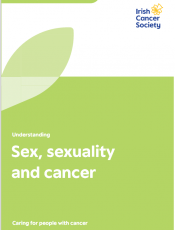
Understanding sex, sexuality and cancer
Booklet 79 pages 10.89 MB
This booklet covers how to deal with issues around sex and sexuality when you have cancer. It includes information on the sexual side-effects of treatment, the impact of cancer on relationships and when you are LGBTQIA+.

Publications about menopause

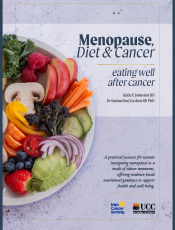
Menopause, Diet, and Cancer
Booklet 162 24.96MB
This booklet contains practical resources for women navigating menopause as a result of cancer treatment, offering evidence-based nutritional guidance to support health and well-being. Authored by Katie E Johnston RD, and Dr Samantha J Cushen RD PhD. This booklet is available to download only. UCC are currently working on a new distribution system for 2026, and details will be posted here, when available.

Menopause, Diet and Cancer - Message from the authors

Thank you for your interest in our hard copy edition. We have exhausted our supply for 2025, and no additional printed hard copies will be available this year. A new distribution system will launch in early 2026, which will include updated information on how to order hard copies and details on sites around the country where you can pick them up.

We appreciate your interest in the book and thank you for your continued support!


We're here to help

Our range of free services are here for you

Patient Education
Our free patient education group sessions and video resources provide information to guide you through and beyond cancer treatment.
Peer Support
Peer Support is a free and confidential phone service connecting people with similar cancer experiences. Our volunteers are trained to provide emotional and practical cancer support.
Eating well and exercise support
Eating well and exercise can help you feel better before, during and after cancer treatment. We can provide information and support on maintaining a healthy diet and being physically active.

Talk to a Cancer Nurse

Support Line

Support Line

Support Line
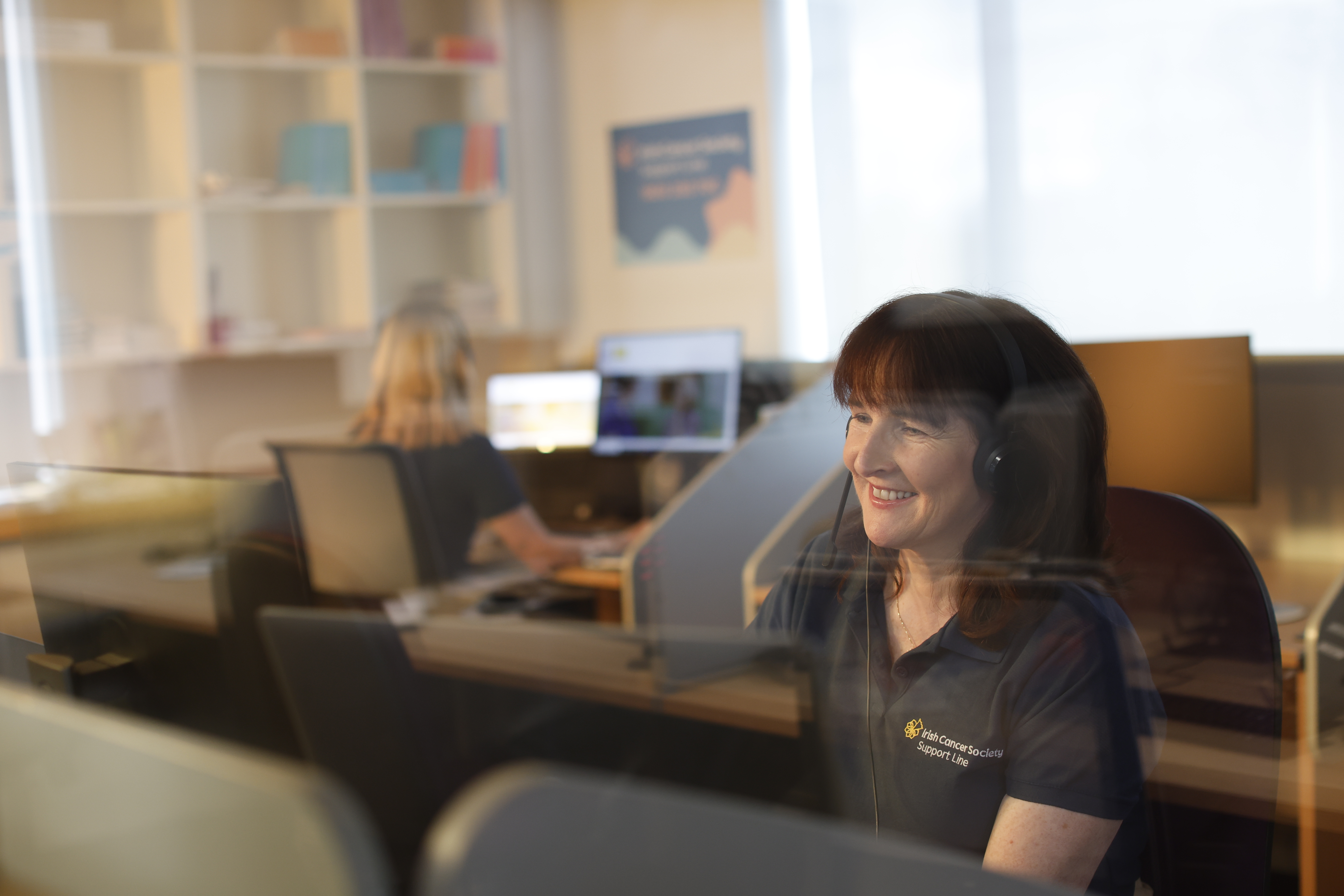
Our Cancer Nurses offer confidential advice, support and information for anyone affected by cancer. Call or email supportline@irishcancer.ie. Video calls available. Mon-Fri: 9am-5pm
Our Daffodil Centres

Our Daffodil Centres

Our Daffodil Centres
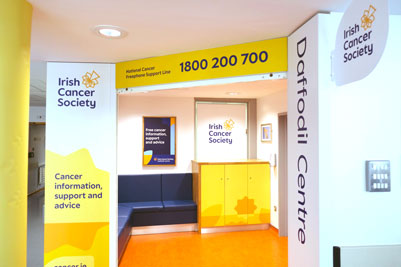
Our Daffodil Centres in 13 hospitals nationwide are staffed by Cancer Nurses and trained volunteers who provide face-to-face advice, support and information for anyone affected by cancer.