Metastatic cancer is a term that usually describes cancer that has spread.
Support for a metastatic diagnosis
If you have been diagnosed with metastatic cancer, we are here to help. Find out more about our supports and resources.
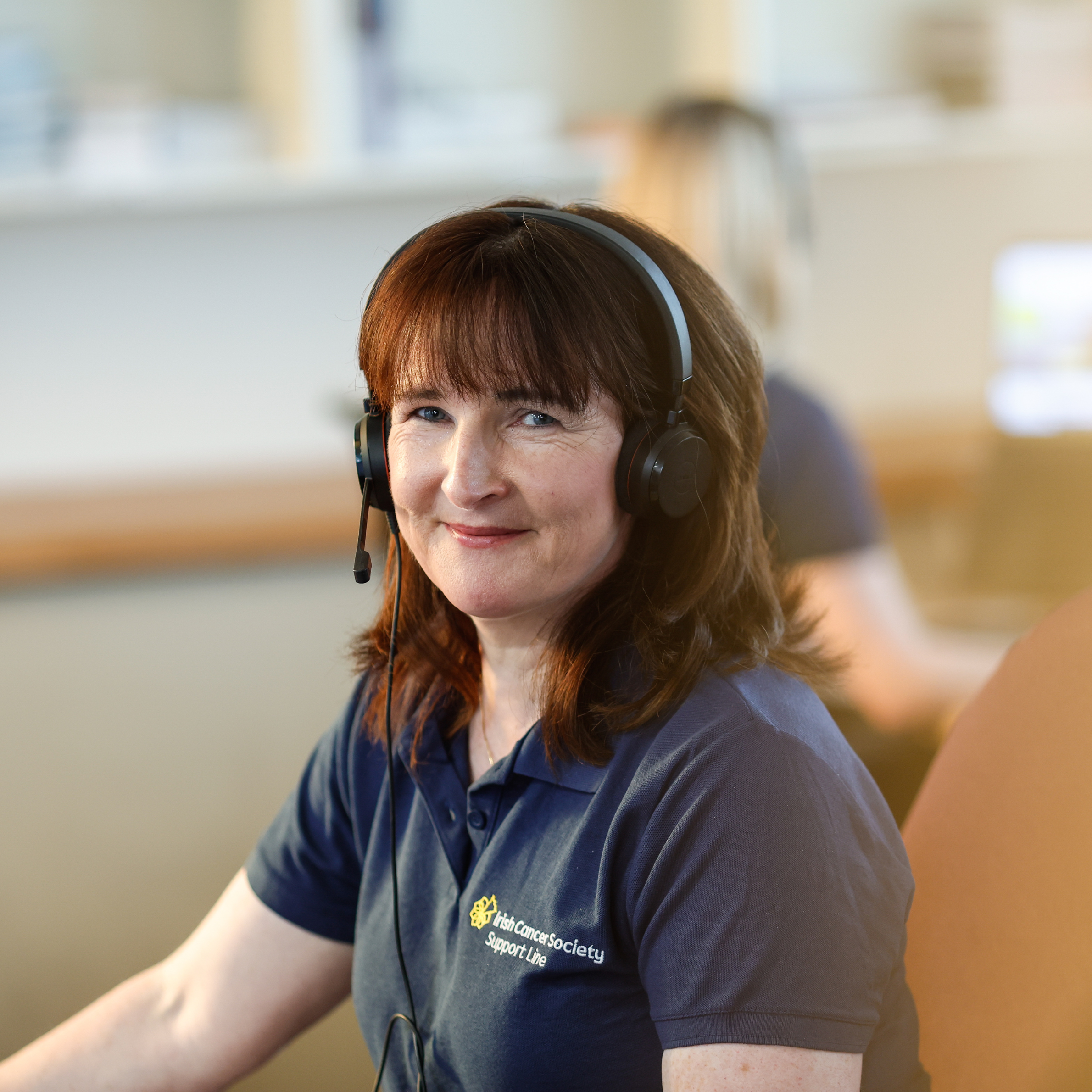
Freephone Support Line
Our Cancer Nurses offer confidential advice, support and information for anyone affected by cancer.
1800 200 700 Mon-Fri
9am-5pm Mon-Fri
9am-5pm
9am-5pm Mon-Fri
9am-5pm
Daffodil Centres
Our Daffodil Centres in 13 hospitals nationwide are staffed by Cancer Nurses and trained volunteers who provide face-to-face advice, support and information for anyone affected by cancer.
What is metastatic cancer?
Understanding metastatic cancer
Words to describe cancer that has spread
Different doctors use different terms to explain a cancer that has spread. Metastatic cancer is often called advanced cancer or secondary cancer. If you're not sure what these terms mean, ask your doctor to explain. You can also ask one of our cancer nurses for advice.
How and where do cancers spread?
Cancer cells can spread from the original tumour to other parts of your body through the lymphatic system or blood. These cells can then grow in other organs in your body to form a secondary tumour.
Different cancers can spread to different parts of the body. The most common parts of the body that cancer spreads to are the bones, liver, lungs and brain.
Naming metastatic cancers
A metastatic cancer is named after the part of the body where it began. For example, breast cancer that has spread to the liver is called metastatic breast cancer in the liver. Or prostate cancer that spreads to the bones will be called metastatic prostate cancer in the bones.
Even when cancer has spread to a new area, it is the same sort of cancer as when it started and will be treated with cancer treatment for that kind of cancer. For example, metastatic breast cancer in the liver will be treated with breast cancer treatments.
Coping with metastatic cancer
Having metastatic cancer has been described as ‘riding an emotional rollercoaster’ - sometimes you may feel very low, while at other times you may feel very positive and hopeful.
In time, though, most people come through the initial shock and upset and find a way to cope. We have some information to help you with your feelings if you have been diagnosed.
Treating metastatic cancer
Usually treatment for metastatic cancer will be to control the cancer for as long as possible, rather than to cure it. We have more information on treating metastatic cancer.
Words you might hear to describe cancer that has spread
- Recurrent cancer: If cancer comes back after treatment, this is known as recurrence. The cancer may come back in the same place or a different part of your body. This may happen weeks, months or even years later.
- 'Mets': 'Mets' is short for metastasis, which means your cancer has spread. You may hear terms like ‘bone mets’. This means a cancer that has spread to your bones.
- De novo metastatic cancer: Cancer has already spread from where the cancer started (primary site) when it is first diagnosed.
- Cancer of unknown primary: A cancer has already spread when you are first diagnosed but the doctors are unable to find the primary cancer (where the cancer started). We have more information on cancer of unknown primary.
- Locally advanced cancer: Locally advanced means the cancer has grown outside the organ it started in but has not yet spread to other more distant parts of the body. With locally advanced cancer, treatment is still aimed at curing the cancer.
If you are confused at all about your cancer, how your doctor describes it or what this means for you, ask your doctor to explain it more clearly. You can also speak to one of our cancer nurses by calling our Support Line on 1800 200 700 or by visiting a Daffodil Centre.

Peer Support is a free and confidential phone service connecting people with similar cancer experiences. Our volunteers are trained to provide emotional and practical cancer support.

We fund professional one-to-one counselling for anyone affected by cancer remotely (over the phone/online) or in person in certain cancer support centres around the country.

Eating well and exercise can help you feel better before, during and after cancer treatment. We can provide information and support on maintaining a healthy diet and being physically active.
Talk to a Cancer Nurse

Support Line

Our Cancer Nurses offer confidential advice, support and information for anyone affected by cancer. Call or email supportline@irishcancer.ie. Video calls available. Mon-Fri: 9am-5pm

Our Daffodil Centres
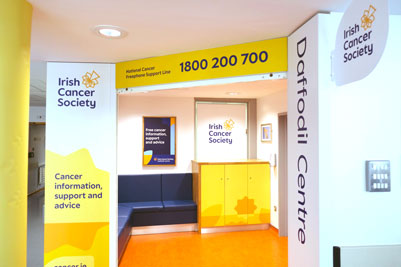
Our Daffodil Centres in 13 hospitals nationwide are staffed by Cancer Nurses and trained volunteers who provide face-to-face advice, support and information for anyone affected by cancer.