Deirdre's Story
“I didn’t have any symptoms. I never imagined that I would end up in hospital with a cancer diagnosis.”
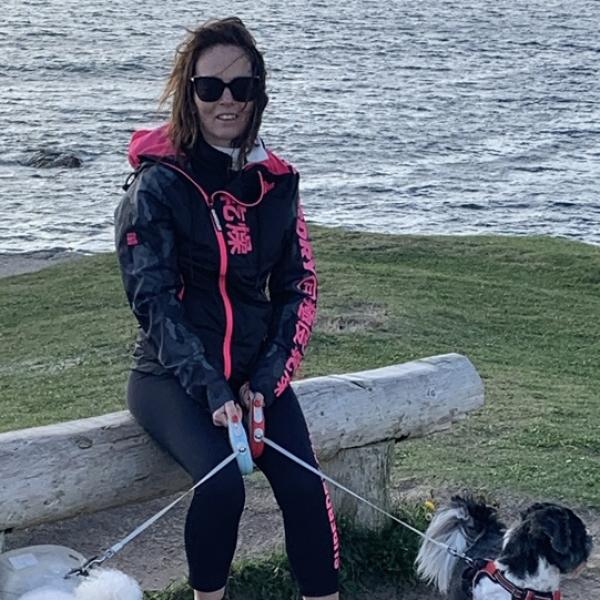
Deirdre Doherty, 57, from Leitrim was diagnosed with a type of blood cancer called Chronic Lymphocytic Leukaemia (CLL) in early 2019, after a routine blood test showed her white blood cell count was high.
“I was living in Celbridge at the time, so I was referred to St James’s Hospital,” says mother-of-one Deirdre.
“My sister had been diagnosed with a terminal brain tumour the previous year, and she died in April 2019. There was a serious amount of stuff going on in my life, so getting the news of my diagnosis didn’t affect me as much as people might have expected. My focus was on my sister and supporting my family.
“The oncologist explained to me that I had CLL, but she said the approach would be to watch and wait. She said that if I reached a point where I needed treatment, there were lots of treatment options available.”
In June 2019, Deirdre began to notice lumps in her neck. “My oncologist was never alarmed, she was very calm about it,” says Deirdre. The watch-and-wait approach continued until June 2021, when Deirdre began to experience shortness of breath.
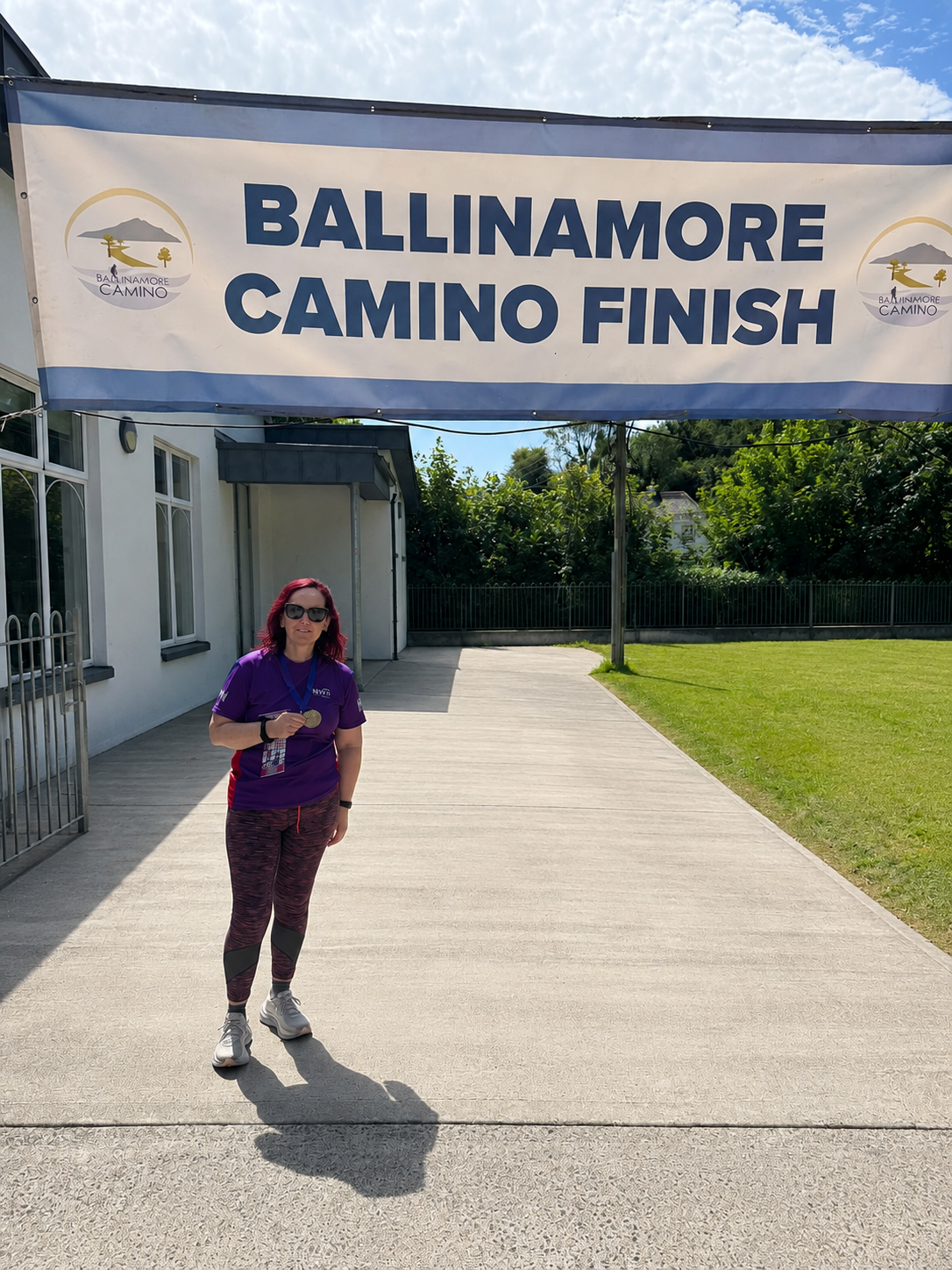
“I run a lot, and I remember I started to notice difficulty breathing when I was running,” she says. “It felt like something was sitting on my chest. Then I started to experience pain in my shoulder. I went to the VHI clinic for an X-ray. They said the X-ray showed the pain wasn’t being caused by anything muscular and I needed to go to A&E.
“At St James’s Hospital, they carried out further investigations, including an MRI, which showed fluid on my right lung. It was full of fluid, the bottom of my lung had collapsed, and the fluid was leaking towards my other lung. I was admitted to hospital, where the fluid was drained.
“It was really frightening. Looking back, I had noticed a gurgling sound in my chest for several weeks, and I had a persistent cough.
“I had gone to my GP when those symptoms first appeared and they said it sounded like seasonal allergies and prescribed me an inhaler, but it didn’t make any difference.
“I feel like the fluid in my lungs must’ve escalated quickly. It reached a point where I did feel a heaviness in my chest. I was worried, but because I had so much other stuff going on in my life, I didn’t realise how serious it had become and I wasn’t too worried.”
Deirdre adds: “The isolation throughout my treatment was so difficult, as it happened during the Covid lockdowns. I had several overnights in the hospital with long periods where I didn't see my daughter for days in a row. That was really tough.”
When Deirdre was in St James’s being treated for the fluid in her lung, her medical team confirmed that the fluid on her lung was a complication of her CLL and meant she would need to start treatment. They offered her the opportunity to take part in a clinical trial that was being run by the University of Cologne through St James’s for CLL patients.
“I was confident about being part of the clinical trial, because they told me that if it wasn’t working for me then I’d be taken off the trial and put onto the standard treatment.
“The drugs I was taking on the trial weren’t brand new drugs, but the trial was looking at the effect of the combination of two drugs. Within a short time of starting the trial, the golf ball-like lumps in my neck were gone.
“I developed mouth ulcers when I started the trial, and then I got a bloodshot eye on Christmas Eve 2021. So I made the trial team aware, and it helped them because it means they’ll be added to the list of side effects and the people who come along after me will have a better idea of what to expect.”
Deirdre started taking the medication as part of the trial in July 2021 and finished taking it in September 2022. She is now in clinical remission and continues to be monitored.
“The trial is a six-year one; the drugs are for 16 months and then you’re under surveillance,” says Deirdre. “I go for check-ups every six months, and the trial team dictates what’ll be checked at each visit.”
Throughout her cancer experience, Deirdre has found Irish Cancer Society-funded counselling in ARC Cancer Support in Dublin to be invaluable and very beneficial. Her daughter, who is in her 20s, has also used their counselling service and Deirdre has seen the difference it has made.
“My daughter found the counselling in ARC amazing,” says Deirdre. “My daughter was 20 when I was diagnosed, and I waited a while before I told her about my diagnosis. When I did, I told her I’d been going to counselling in ARC and it was brilliant, and it was something she could do too. Going into ARC for counselling, it felt like we were walking into a comfort blanket.
“I found going to counselling very empowering. I think people have a perception that when you go to counselling, the counsellor will make everything right but that isn’t what happens – it’s all about how you are and what you want to get out of counselling."
"They give you the space to talk honestly about what you are experiencing. They provide non-judgmental support, whether you are frightened, angry or simply overwhelmed.”
While Deirdre is now doing well, she has been told by her oncologist that her cancer will reoccur, but she will not die from it. Deirdre still has to take many precautions in day-to-day life, due to being immunocompromised as a result of having CLL and the treatment she had.
“I’m very restricted in the sense that I can’t go to large indoor events, so if there is something I would like to attend it has to be outdoors,” says Deirdre.
“My nephews play in bands, but I can’t go to any of their indoor gigs. Even going out to eat, means choosing somewhere that is quiet and not overcrowded. Those are the biggest restrictions.
“My biggest fear is catching an infection from someone who’s unwell because of the impact that can have on my health.”
Reflecting on her experience, Deirdre said she would happily do a clinical trial again – and would encourage others to discuss the option with their medical team and to consider taking part in one.
“I’d always recommend a trial,” she says. “I have family members and friends who are having cancer treatment, and I’ve encouraged them all to ask their doctors if there is a trial that might suit them. You’ve nothing to lose by trying one.
“My attitude to my diagnosis today is that it has taught me to really appreciate life and to cherish family and friends. I have also learned to work at a pace that suits me and to ensure that I have a balance between work and family, and most importantly staying fit and healthy and enjoying life with my daughter, Petra, who has been a massive support throughout my cancer journey.”