Some people find that complementary therapies such as massage, exercise-based activities, mindfulness and yoga help them to feel better in themselves during and after treatment. Check with the hospital before using complementary therapies to make sure it is safe to use them. For more information, see our booklet Understanding cancer and complementary therapies. You can also get a copy by calling our Support Line on 1800 200 700 or from a Daffodil Centre.
We also have advice on how to choose a complementary therapist.
Giving medical and practical care
Carers often give medical and practical care to patients. Here are some tips and information on what help is available to carers.
Carers often give both medical and practical care to patients. They are an important part of a person's healthcare team. They may have to:
- Keep track of tests, treatments and appointments
- Make sure their loved one attends appointments
- Communicate with different healthcare professionals about their loved one
There can also be a lot of practical work involved in caring. This may include:
- Household chores like cleaning, laundry, shopping and preparing meals
- Providing transport, such as travelling to GP and hospital appointments
- Dealing with money matters
Sometimes these jobs can be overwhelming, especially if you have other responsibilities such as running your own home, looking after children or going to work.
We have helpful information about coping as a carer.
Personal care
As a carer, you will probably need to look after some of the day-to-day nursing needs of your loved one. For example, you may help them to wash or get dressed. It’s important to ask them what help they would like. They know best and may not be comfortable with intimate contact. They may prefer to have a private nurse or carer if they need personal care at home.
- Regular washing can help someone feel more comfortable and lift their mood. It may also help prevent infections. If you need help with bathing your loved one, talk to the public health nurse or community nurse.
- Suggest that your loved one wears clothes that are easy to put on and take off.
- Ask about special devices to help with personal care, such as hair-washing trays.
- Look for mobile services like beauticians and hairdressers.
- Check with the hospital about suitable creams, shampoos and other skin-related products. Treatments like chemotherapy and radiotherapy can sometimes make skin extra sensitive.
- If your loved one finds it difficult to use the toilet or has problems with incontinence, tell the public health nurse, community nurse or GP. They may be able to arrange equipment or supplies like pads and protective bedding.
- If your loved one is spending a lot of time in bed, or their balance or mobility is affected, they may be at risk of falling. Ask for advice on preventing falls and what to do if your loved one falls. You might hurt yourself or them if you try to lift them.
Medical care
A carer is an important part of a person’s healthcare team. Lots of carers feel nervous or overwhelmed about helping with medical care, but there are some things you can do that will help you feel more confident.
Ask the hospital doctors, nurses and other relevant healthcare professionals, such as the physiotherapist and dietitian, for advice on how to care for your loved one. Make sure you understand about any medication they need to take. If they need dressings for wounds, injections or other medical care, the nurses can advise you on what to do or where to go.
If you feel comfortable, the nurses will teach you how to give medical care. If not, they will explain what services are available in the community. For example, the family doctor (GP) or the community or public health nurse.
Often carers help with medication. Your loved one may have a lot of medications to take. Some may need to be taken regularly and others may be taken as they are needed. Here are some tips to help you.
- Talk to the healthcare team in the hospital so you understand the medication. Ask at the hospital for a printout with information about the medicine. You can also ask your local pharmacist. They can be a great help, especially if your loved one is on a complex medicine regime.
- Find a way to keep track of their medicines. For example, use a chart so you can write which pills/medicine they need every day and cross off when each dose has been taken. Or use a weekly pill box. You could also ask your pharmacist if they can pre-pack (‘blister pack’) medications for you. There may be a fee for this.
- Make sure your loved one doesn't run out of medication.
- See if their local pharmacist has a home-delivery service. Or call ahead so that the medicines will be ready for you to collect.
- Ask their pharmacist about registering for the Drugs Payment Scheme. This limits the amount a person pays for prescribed medicines and medical equipment (appliances) every month.
- Keep the receipts for medical costs if your loved one will be claiming back expenses from their private health insurer or through their annual tax return.
Medical equipment
If your loved one needs medical equipment, such as a wheelchair or walker, speak to their hospital nurse, public health nurse, occupational therapist or the medical social worker at the hospital. They will advise you.
If your loved one is having side-effects as a result of their treatment, speak to the nurses and doctors in the hospital. There are medications and other treatments to help with many side-effects, which the hospital team can recommend. If one treatment doesn’t help, ask if there is something else your loved one can try.
Keep a record of any side-effects, so you have it for future reference.
We have information and tips on managing symptoms and side-effects during and after cancer treatment.
Let your loved one’s healthcare team know that you are their carer. You can share information about the patient that might be helpful to them, as long as your loved one is happy for you to do this.
Going to hospital appointments
Appointments may make your loved one very anxious, especially if test results or treatment decisions are going to be discussed. Try to go to appointments with your loved one. If the appointment is over the phone or by video call, stay in the room with them if you can.
- Write down any questions and worries you both have before the appointment, so that you don’t forget to ask them.
- Make notes of what the doctor says. This will help you to share information with the rest of the family or friends afterwards. Some doctors may be happy for you to record the meeting, but make sure you ask for their permission first.
- Time with the doctor is very important for your loved one. The doctor may be busy but try not to feel rushed. Make sure you and your loved one have asked all your questions before you leave.
Getting information
- Try to learn about your loved one’s cancer, treatments and possible side-effects and symptoms. Get to know some of the medical terms that the doctors and nurses use.
- Be careful with online information. It might be hard to understand or it might be incorrect. Also, the information may not really apply to your loved one’s situation or the particular cancer they have. Ask their doctor or nurse for recommended websites.
- Ask the person you are caring for if they would like you to be noted on their healthcare record for information-sharing purposes. There may be limits on how much information health and social care professionals can share with you about your loved one, especially if you are not a family member. If the person you care for would like professionals to share information with you, they should let the professionals know this. If written permission is needed, ask at the hospital how to do this. Keep a copy of the document for your own files.
- Write down any questions you have and bring them to hospital appointments so you can ask the medical team.
Get telephone numbers
Find out who is on the medical team and what help they can give you. For example, the consultant, registrar, specialist nurse, occupational therapist, medical social worker or physiotherapist.
Keep a record of their names and phone numbers. Ask the nurses in the hospital for a phone number in case you need to ask a question between appointments. Also write down who to call if your loved one becomes unwell at home or if they need out-of-hours care. Make sure the list of numbers is easily available so that anyone caring for your loved one knows where to find them.
Don’t be afraid to call
If you’re worried about your loved one’s health or if they’re troubled by a side-effect or symptom, let a member of their medical team know.
If your loved one needs to go into hospital urgently
Make sure they have everything they need for a stay in hospital, including any medicines they are taking (including non-cancer related ones). Have an overnight bag ready, packed with a few essentials. Let other carers and healthcare professionals know that your loved one is in hospital.
Get involved early. I missed appointments at the start when they were deciding treatment, which I regret. Make sure to support them during treatment as they really need it.
Household chores and preparing meals
Ask your family member or loved one what they would like help with. Remember it's their home. Your loved one may be entitled to home care supports, so speak to the medical social worker in the hospital or your local Health Service Executive (HSE) office. You can also ring the HSE live helpline on Freephone 1800 700 700
Preparing meals
If your loved one isn’t feeling well, or is having side-effects after their treatment, they may not have much appetite or interest in preparing food. Or they may need a special diet, such as a soft diet or a high-calorie diet. Ask to speak to the hospital dietitian if you have any questions about preparing food.
You could also read our booklet Diet and cancer. It has helpful tips for carers about meals for someone with cancer.
If you’re very busy as a carer, ask others to bring meals in plastic containers that you can use or freeze for later.
Stocking up on some good quality, nutritious ready meals or using a healthy meal-delivery service can also help.
The Home Support Service
The Home Support Service is an HSE scheme for people aged 65 and older who need to be cared for in their own homes. It also aims to support informal carers.
It is also possible to access packages of care for those under the age of 65 who may need support, such as people with cancer, a disability or early-onset dementia.
The service provides supports with everyday tasks such as:
- Getting in and out of bed
- Getting dressed and undressed
- Personal care, such as showering and shaving
Your loved one might also receive some respite care or aids/medical equipment (appliances) as part of the package if these are needed to support them to stay in their own home. The support your loved one will receive depends on their individual needs.
If your loved one is being discharged from hospital, make sure you ask the medical social worker in the hospital about a home support package. If there is no medical social worker in the hospital, then ask to see the discharge coordinator and ask them about referral.
If your loved one is already at home, ask your community or public health nurse about this service.
You may also be able to access free caring supports, including respite and palliative care, if you discuss your loved one's needs with a public health nurse in a local health centre.
This is a free service. You do not need a medical card to apply and your income will not be assessed.
Check with your local health office for more details about this service.
Transport
Carers often bring their loved ones to hospital for appointments and treatment. But if they can't help with transport, help is available.
The Irish Cancer Society runs two programmes to help with travelling to and from appointments:
- The Transport Service, where trained volunteer drivers give patients and their carer a lift to and from chemotherapy appointments.
- The Travel2Care programme, which helps with the costs of transport to hospital for diagnosis or treatment appointments.
Find out more about our Transport Service.
Some local cancer support centres and other charities also provide volunteer driver schemes. For more information, ask the medical social worker at the hospital or call a cancer nurse on our Support Line 1800 200 700, drop in to a Daffodil Centre, or email the nurses at supportline@irishcancer.ie
Dealing with money matters
Money may be the last thing on your mind if your loved one has been diagnosed with cancer, but it can make things easier in the long run if you get organised from the start.
For more on this, see Welfare and supports.
Hints and tips
- If you find it difficult to deal with financial matters or fill in forms, ask a friend or family member to take on that job.
- Find out if there is a medical social worker at the hospital and ask to speak to them. They can give you advice about benefits to apply for and supports and services available.
- Ask about any costs and charges when your loved one is first admitted to hospital, to see if you will have to pay anything.
- If your loved one has private health insurance, it’s a good idea to call the insurer as soon as possible. Tell them about your loved one’s treatment and find out what they are covered for.
- Ask your pharmacist or the medical social worker about medical cards, the Drugs Payment Scheme and the Long-Term Illness Scheme.
- Keep a folder for receipts if your loved one will be claiming back any medical costs from their health insurer or as part of a tax return.
- Your local Intreo (social welfare) office can give you advice about applying for benefits that you or your loved one may be entitled to if you have to give up work, as well as other illness-related payments, such as Carer’s Allowance and Carer’s Benefit.
Complementary therapies
Booklets and publications



Related links

Our Welfare and Supports team can advise on benefits, social welfare entitlements, medical card applications, community support, legal entitlements, childcare and more. Click the link to learn more.

If you or someone you know has been affected by cancer, we can support you. We can send you a free cancer Support Pack filled with useful information and resources.

We fund professional one-to-one counselling for anyone affected by cancer remotely (over the phone/online) or in person in certain cancer support centres around the country.
Talk to a Cancer Nurse

Support Line

Our Cancer Nurses offer confidential advice, support and information for anyone affected by cancer. Call or email supportline@irishcancer.ie. Video calls available. Mon-Fri: 9am-5pm

Our Daffodil Centres
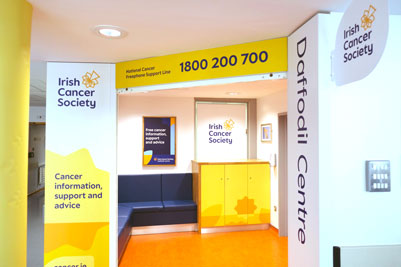
Our Daffodil Centres in 13 hospitals nationwide are staffed by Cancer Nurses and trained volunteers who provide face-to-face advice, support and information for anyone affected by cancer.