Nerve changes (peripheral neuropathy)

Some cancer drugs can affect your nerve endings, causing numbness or a tingling or burning sensation in your hands and feet. 

About peripheral neuropathy

Peripheral neuropathy ("peh-RIF-er-uhl new-ROP-ah-thee") is damage to the nerves, usually in the hands and feet. It can cause numbness, tingling, burning sensations, pain, or weakness. 

Peripheral neuropathy can happen because of cancer or cancer treatment. For many people, symptoms improve after treatment finishes. Recovery can take months or years, and some people may continue to have long-term or permanent symptoms.

Occasionally, symptoms may get worse for a short time after treatment ends, before they start to improve.

It is important to tell your healthcare team as soon as symptoms start. Early reporting gives the best chances to stop the symptoms from getting worse.

What can cause peripheral neuropathy?

Peripheral neuropathy can be caused by:

  • Chemotherapy and some other cancer treatments 
  • A tumour pressing on or affecting a nerve
  • Surgery
  • Vitamin deficiencies (for example, vitamin B12)
  • Radiotherapy, although this is rare 
  • Paraneoplastic peripheral neuropathy. This is a rare condition where your body makes substances in response to cancer, and these substances damage your nerves. It is usually associated with lung cancer, myeloma and lymphoma.
Factors that may increase your risk

Your risk of peripheral neuropathy may be higher if you:

  • Have diabetes
  • Already have nerve damage or neuropathy
  • Have a vitamin deficiency
  • Have had a lot of chemotherapy or take high doses of certain chemotherapy drugs 
  • Previously had treatments that can affect the nerves

What are the symptoms of peripheral neuropathy?

  • Pain. This can be mild or severe. It is described as burning, sharp, stabbing or like an electric shock. Some people lose the sensation of pain.
  • Numbness or sensation changes. This often first happens in your fingertips and feet. You may have tingling or numbness in the affected area. As a result, you may find it hard to do up buttons, use zips, write or tie your shoelaces. You might be more sensitive to touch, or you might be less able to feel heat, cold or pain.
  • Muscle weakness. You may find it is difficult to walk, climb the stairs, hold a knife or fork, or that you are dropping things or stumbling.
  • Other symptoms. You may get dizzy or feel light-headed when you stand up. You may also feel very tired, have changes in your mood, or have difficulty concentrating or remembering things. If the nerves affecting your bowel are affected, you might get bloated or have constipation. 

You may not have all of these symptoms. Symptoms vary from person to person.

Tell your healthcare team as soon as symptoms start. Do not wait until your next appointment. They will assess the extent of nerve damage and will monitor any changes.

Can peripheral neuropathy be prevented?

Currently, there is no proven medication that prevents peripheral neuropathy during cancer treatment.

Researchers are working on ways of reducing risk. Cooling the hands and feet during certain chemotherapy treatments (cryotherapy) may help some people, but it is not suitable for everyone, and it is not available in all treatment centres. Speak with your healthcare team if you would like more information about cryotherapy.

Regular physical activity and exercise during cancer treatment may help reduce symptoms and improve your balance, strength and physical functioning. Ask your healthcare team or physiotherapist for advice on suitable exercises. 

Read more about how exercise can help you before, during and after cancer treatment.

How is peripheral neuropathy treated?

Changes to your cancer treatment

Always tell your doctor about any symptoms of peripheral neuropathy. Your team will assess the extent of any damage to your nerves. Based on this assessment, your doctor may:

  • Reduce your cancer treatment dose
  • Delay treatment for a time
  • Consider a different treatment

Once your cancer treatment has been reduced or changed, your symptoms may improve as your nerves recover. This can take several months, and in some cases even longer. Occasionally, nerve damage can be permanent.

Medications

Your doctor may recommend medication to help manage nerve pain. These may include certain antidepressants, anti-seizure medications, lidocaine patches, opioids and selective serotonin and norepinephrine reuptake inhibitors (SSNRIs). Not all pain medicines work well for nerve pain. Your doctor will advise which treatments may be most suitable for you.

Supplements

If tests show that you have a vitamin deficiency, your doctor may recommend vitamin supplements, such as vitamin B12 or folic acid. 

Physiotherapy

A physiotherapist can help with:

  • Strength exercises
  • Balance training
  • Walking difficulties
  • Preventing falls
Occupational therapy

An occupational therapist can recommend helpful equipment and suggest adaptations to make everyday tasks easier.

Transcutaneous electrical nerve stimulation (TENS)

Small pads are placed on the skin to deliver gentle electrical impulses. Some people find this helps reduce pain.

Acupuncture and massage

Some people find acupuncture or massage helpful for symptom relief. Research is ongoing, and not everyone always gets the same benefits. Check with your healthcare team to make sure this is safe for you.


Speak with your healthcare team if your symptoms are not improving or if they are affecting your quality of life.

When should I contact my healthcare team?

Contact your healthcare team urgently if:

  • Symptoms are getting worse quickly 
  • Numbness is spreading
  • You are having difficulty walking
  • You have fallen or nearly fallen
  • You are struggling with dressing, eating or other daily activities
  • Weakness is increasing
  • You develop new bowel or bladder problems

Tips for coping with peripheral neuropathy

Protect your hands, feet and legs
  • Keep your hands and feet warm with gloves and socks.
  • Moisturise your hands and feet regularly.
  • Check for cuts, blisters or injuries.
  • Treat cuts or injuries right away.
  • Avoid walking barefoot.
  • Wear comfortable, well-fitting footwear.
  • Avoid sitting with crossed legs for long periods.
Prevent burns and injuries
  • Be careful with hot drinks and hot liquids.
  • Test your bath and shower water temperature before you get in.
  • Wear gloves when washing dishes.
  • Take extra care when cooking.
  • Stand up slowly if you are feeling dizzy.
Improve safety at home
  • Remove clutter and loose rugs that could cause trips.
  • Make sure rooms, stairs and hallways are well lit.
  • Use night lights if getting up during the night.
  • Consider handrails or other safety equipment if needed.
Support your nerve health
  • Exercise regularly as advised by your healthcare team.
  • Eat a healthy, balanced diet. Drink plenty of fluids, eat fibre-rich foods and stay active to help prevent constipation.
  • Take vitamin supplements only if your doctor recommends them.
  • Limit your alcohol intake.
  • Stop smoking. Smoking reduces blood flow to your nerves.
Make everyday tasks easier
  • Choose clothing with zips or Velcro fastenings if buttons are difficult.
  • Use any devices or equipment recommended by an occupational therapist.
  • Speak with a physiotherapist about walking aids, if needed.

Peripheral neuropathy and your emotions

Peripheral neuropathy can affect your mobility, independence, work and daily activities. It is common to feel frustrated, worried, low in mood or overwhelmed.

Talking about how you are feeling can help. Try sharing your feelings with friends or family, your medical team or a counsellor. The Irish Cancer Society funds counselling at many local cancer support centres.


We're here to help

Our range of free services are here for you

Patient Education
Our free patient education group sessions and video resources provide information to guide you through and beyond cancer treatment.
Counselling
We fund professional one-to-one counselling for anyone affected by cancer remotely (over the phone/online) or in person in certain cancer support centres around the country.
Eating well and exercise support
Eating well and exercise can help you feel better before, during and after cancer treatment. We can provide information and support on maintaining a healthy diet and being physically active.
Peer Support
Peer Support is a free and confidential phone service connecting people with similar cancer experiences. Our volunteers are trained to provide emotional and practical cancer support.

Talk to a Cancer Nurse

Support Line

Support Line

Support Line
Our Cancer Nurses offer confidential advice, support and information for anyone affected by cancer. Call or email supportline@irishcancer.ie. Video calls available. Mon-Fri: 9am-5pm
Our Daffodil Centres

Our Daffodil Centres

Our Daffodil Centres
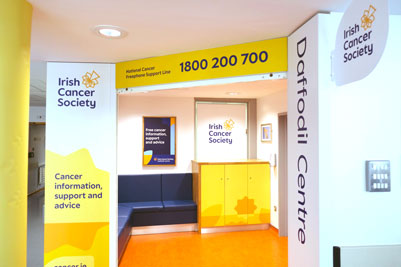
Our Daffodil Centres in 13 hospitals nationwide are staffed by Cancer Nurses and trained volunteers who provide face-to-face advice, support and information for anyone affected by cancer.