Radiotherapy for vulval cancer

Information about radiotherapy for vulval cancer and its side-effects.

Why might I have radiotherapy for vulval cancer?

Radiotherapy for vulval cancer may be given:

  • Instead of surgery. For example if you are not able to have an anaesthetic or are not well enough to recover from surgery, or if it is not possible to remove the cancer by doing surgery.
  • Before surgery to shrink a tumour. This is called neo-adjuvant treatment.
  • After surgery to destroy any remaining tumour. This is called adjuvant treatment.
  • With chemotherapy to make the treatment work better. This is called chemoradiation.
  • To relieve and control symptoms if the cancer is advanced or has come back. For example, to control pain. Radiotherapy can also help to dry up a wound that may be oozing a lot. These wounds are usually called fungating wounds.

External radiotherapy

Radiotherapy for vulval cancer is given as external radiotherapy. 

External radiotherapy is a treatment that uses high-energy rays to kill cancer cells. The beams of radiation are aimed at the cancer from a machine called a linear accelerator. 

High-energy X-rays are aimed directly at your cancer cells to destroy them. 

Usually you come into hospital for treatment every weekday for a number of weeks, with a break at the weekend. Your doctor will let you know how many sessions or treatments you need. You will need to go to hospital before your treatment for at least one planning session.


Read more about radiotherapy.

Ovarian transposition

This is a surgery you may have before external radiotherapy to move one of your ovaries from the pelvis. This is to try to protect it from being damaged by the radiation, to keep your fertility. 

If you have any questions or concerns about your fertility, discuss these with your medical team. They will be able to advise on the best plan for you and refer you to a fertility specialist if necessary.

Side-effects of vulval radiotherapy

Short-term possible side-effects
  • Bladder and back passage irritation
  • Changes to your bowel habits (constipation or diarrhoea)
  • Changes to your bladder habits (frequency and urgency)
  • Pain or discomfort when your pass urine (pee) or when your bowels open (poo)
  • Sore, itchy skin or rashes in the area that is treated. Your skin may be dry and flaky, start peeling or look red. 
  • Tiredness (fatigue). Read more about fatigue.
  • Loss of hair in the genital area
  • Nausea (though this is rare). Read more about nausea.

These side-effects usually last for 2 to 4 weeks after treatment.

Longer term possible side-effects
  • Blood in your urine (pee) or bowel motions (poo)
  • Narrowing or dryness of your vagina. Read more about sexual side effects here.
  • Infertility or early menopause. Read more about menopause here. 
  • Lymphoedema, depending on where you have the radiotherapy. The risk of lymphoedema increases if you have your lymph nodes removed during surgery and if you also have radiotherapy.  Read more about lymphoedema here. 

Sometimes side-effects can appear months or even years after treatment. 

If you experience any side-effects, it is important to let your medical team know and they will advise on the best treatment.


Talk to a Cancer Nurse

Support Line

Support Line

Support Line
Our Cancer Nurses offer confidential advice, support and information for anyone affected by cancer. Call or email supportline@irishcancer.ie. Video calls available. Mon-Fri: 9am-5pm
Our Daffodil Centres

Our Daffodil Centres

Our Daffodil Centres
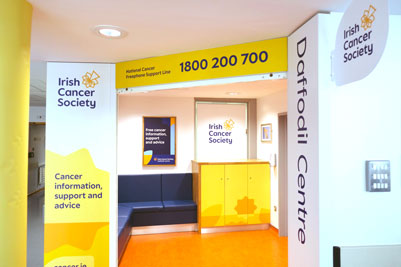
Our Daffodil Centres in 13 hospitals nationwide are staffed by Cancer Nurses and trained volunteers who provide face-to-face advice, support and information for anyone affected by cancer.