- Prostate cancer depends in part on the male hormone testosterone to grow and spread. Hormone therapy can be used to reduce the amount of testosterone made by your testicles.
- By reducing the amount of testosterone in your body, the growth of cancer cells can be slowed down or stopped.
- Hormone therapy is frequently used alongside radiotherapy for locally advanced prostate cancer.
- Hormone therapy drugs can be given as tablets, implants or injections.
Hormone therapy for prostate cancer
Information about hormone therapy treatment for prostate cancer.
About hormone therapy for prostate cancer
Side-effects of hormone therapy
Different hormone therapies have different side-effects. Most side-effects happen because of the changes to the balance of
hormones in your body. Side-effects include:
Hot flushes and sweating happen because the lack of testosterone affects the part of your brain that regulates heat. More than half of the people who get hormone therapy will experience hot flushes. They can be difficult to cope with.
Tell your doctor or nurse if these symptoms are troubling you. We also have tips to help you manage hot flushes.
- This can vary from mild tenderness, with or without swelling, to more noticeable tissue growth around the breast area. This swelling is also known as gynaecomastia.
- It can vary from mild tenderness, with or without mild swelling, to a more obvious amount of tissue growth around the breast area.
- Medications like tamoxifen can help. If this side-effect concerns you, tell your doctor or nurse.
Hormone therapy affects how your bones are formed and can lead to osteoporosis. This means that bones can become brittle, making
them more likely to break (fracture). You may have a DEXA bone density scan to check your bone health.
Read more about bone health.
You may gain weight, particularly around your waist. You may also lose some of your muscle tone and strength.
Managing weight through diet and exercise keeps the body healthier.
- Aerobic exercise like swimming or brisk walking can improve your fitness and help you to lose weight.
- Resistance exercise, such as lifting light weights or using elastic resistance bands, can help to prevent muscle loss and keep your muscles strong.
Your team can advise you on suitable exercise and diet and can refer you to a dietitian, physiotherapist or other supports – just ask.
Extreme tiredness is a common side-effect. Fatigue can affect your energy, mood and concentration. Read more about fatigue and ways to manage.
Less testosterone can lead to mood changes, poor concentration or memory problems, anxiety and sometimes depression.
We have tips to help you cope with memory and concentration problems.
Hormone therapy can have a big impact on your sex life. Because hormone therapy reduces the male sex hormone testosterone, it can affect your interest in sex (libido) and your ability to get an erection.
Libido may come back once you stop taking hormone therapy, although it can take many months.
We have information on sexual relationships and cancer treatment.
Exercise and hormone therapy side-effects
Taking some exercise is a great way to feel better if you are having hormone therapy. It can:
- Help you to keep a healthy weight
- Build up your muscle tone and strength.
- Reduce fatigue
- Help your mood
- Keep your bones healthy
- Reduce the risk of the cancer coming back after treatment.
Always talk to your doctor before starting to exercise so that they can give you advice about the best type of exercise for you. They may be able to recommend a specialise exercise programme. You can also ask our nurses about supervised exercise programmes.
Call our Support Line, visit a Daffodil Centre or go to your local cancer support centre to find out what’s available in your area.
Advantages and disadvantages of hormone therapy
Advantages
- Hormone therapy can slow down or stop the cancer cells from growing and spreading for many years.
- It can be used with other treatments to improve their cure rate.
- It can improve urinary symptoms.
Disadvantages
- It can cause side-effects that can affect your everyday life.
- Hormone therapy on its own cannot cure your cancer, but it can slow or stop the cancer growing and spreading for many years.
Patient Education videos
Our hormone therapy videos are for patients who are due to begin prostate cancer treatment shortly.
You can watch our hormone therapy for prostate cancer videos online in your own time
Watch the full series of 7 videos covering what to expect, treatment types, life on hormone therapy and supports available to you.
If you have any questions about what you’ve seen, our Support Line cancer nurses can help on 1800 200 700.
Talk to a Cancer Nurse

Support Line
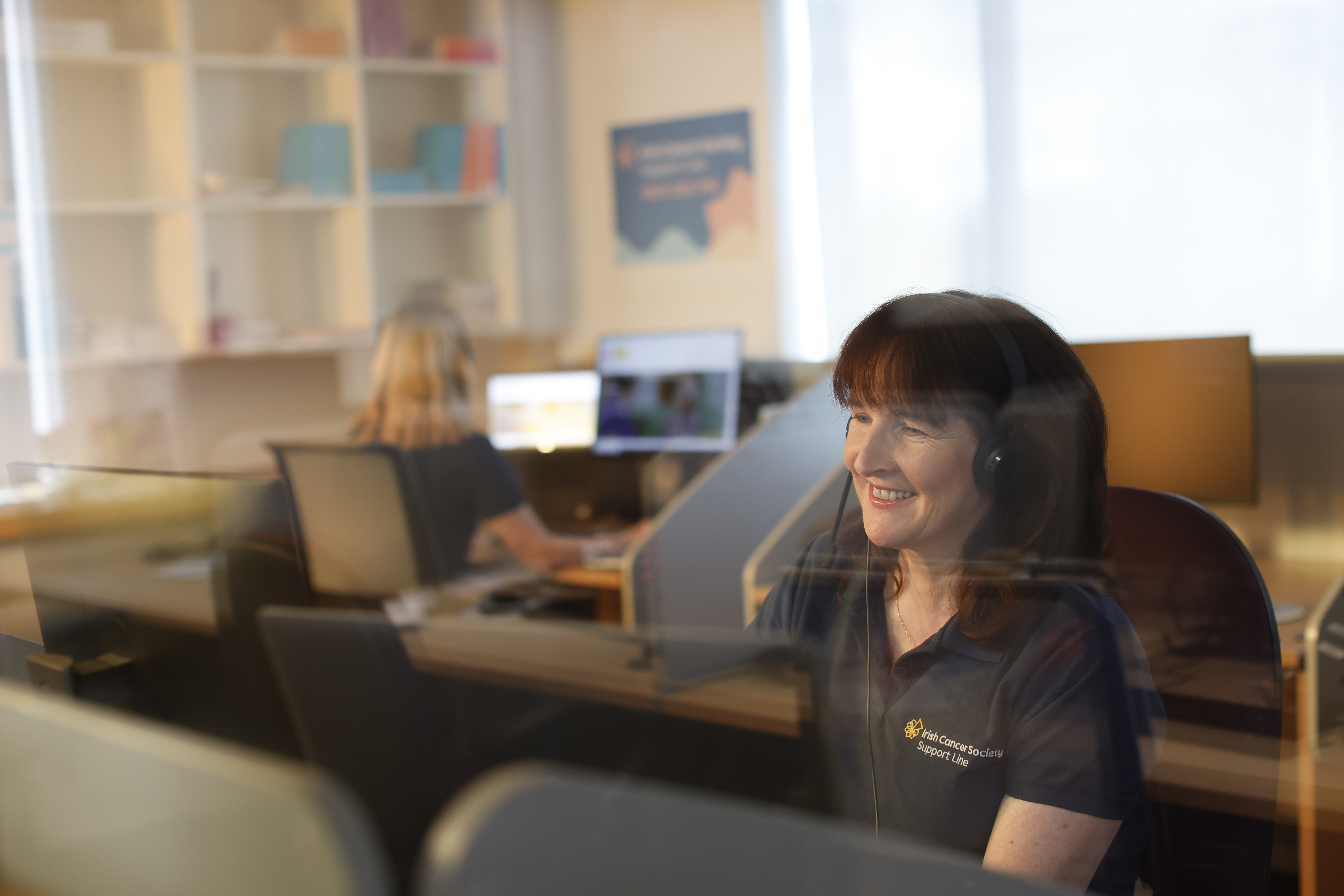
Our Cancer Nurses offer confidential advice, support and information for anyone affected by cancer. Call or email supportline@irishcancer.ie. Video calls available. Mon-Fri: 9am-5pm

Our Daffodil Centres
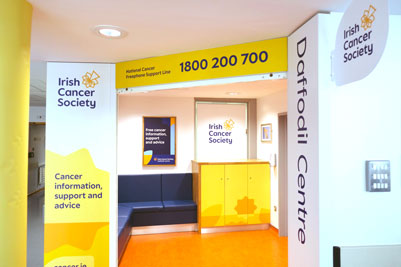
Our Daffodil Centres in 13 hospitals nationwide are staffed by Cancer Nurses and trained volunteers who provide face-to-face advice, support and information for anyone affected by cancer.