Managing side-effects and symptoms of metastatic breast cancer

Managing any symptoms and side-effects from your treatment allows you live as full a life as possible. There are many effective treatments available for people with metastatic breast cancer.

Possible side-effects and symptoms of metastatic breast cancer

Some symptoms of metastatic breast cancer can be linked to the cancer itself or you may have side-effects linked to treatment. 

Any symptoms will depend on how the metastatic breast cancer and its treatment has affected you. You might experience some of the symptoms below. 

Your doctor will be keen to ensure that any side-effects from your treatment are managed, to give you a good quality of life.
If you have any symptoms that are troubling you, let your doctor or nurse know. There are many treatments that can help to make your life easier.

Bone pain and weakened bones

Drug treatments

Metastatic cancer in the bone can cause bone pain. It also makes your bones weaker, with a risk of fractures. Bisphosphonates and monoclonal antibodies can help to relieve bone pain and help to strengthen bones and reduce the risk of fractures. 

We have more information about bone-strengthening drugs.

Radiotherapy for bone pain

Radiotherapy is very good for treating bone pain due to metastatic breast cancer. The treatment can be given as a single dose or divided over a few days. It can take 2 to 3 weeks to work.

Surgery for weakened bones

If a bone is very weak, you may need surgery to strengthen it. This is done in hospital under a general anaesthetic. Your surgeon will put a pin into the centre of the weakened bone and might fix a metal plate to hold the bone firm as well. You will need to stay in hospital for a week or so to recover after this surgery.

Taking care of your bones

We have information on bone health and cancer.

High calcium levels in blood (hypercalcaemia)

If cancer is in your bones, more calcium is absorbed into your bloodstream from your bone. A high level of calcium in your blood is called hypercalcaemia. It can cause excessive thirst, vomiting, drowsiness and confusion. 

You will need to spend a day or 2 in hospital to get your calcium levels down. This is done by giving you intravenous fluids or drugs called bisphosphonates to stop further damage to your bone. Drinking plenty of fluids will help too. With treatment, you should feel much better after a few days. 

Menopausal symptoms and metastatic breast cancer

Coping with early menopause

The nearer you are to the menopause, the more likely that chemotherapy will stop your periods permanently. An early menopause can also be a side-effect of hormone therapy or ovarian ablation if you are fertile. Your periods may become irregular or stop altogether.
This can lead to uncomfortable menopausal symptoms.

Menopausal symptoms

Symptoms may happen more suddenly than if it were a natural menopause. Symptoms can be quite severe in some cases and very mild in others. Possible symptoms include:

  • Hot flushes
  • Night sweats
  • Generalised aches and pains
  • Vaginal dryness
  • Lower sex drive

If you have a symptom and it concerns you, tell your doctor or nurse straight away.

  • Mood swings
  • Poor concentration

Managing menopausal symptoms

We have tips to help you manage menopausal symptoms such as hot flushes and vaginal dryness. 

Tiredness (fatigue)

It’s common to feel exhausted when you have cancer. This extreme tiredness (fatigue) can be caused by many things, including:

  • The cancer itself
  • Tests and treatments for cancer
  • Not eating well
  • Low levels of red blood cells (due to the cancer or its treatment)
  • Dealing with difficult emotions and feeling anxious or depressed
  • Not sleeping well

Finding out what is causing your fatigue makes it easier to treat. Tell your doctor or nurse if fatigue is affecting you, so that they can help you. 

We have more information on fatigue and tips to help you cope. 

Coping with fatigue
Coping with fatigue
Booklet 45 pages 4.06 MB
Information on the causes of cancer related fatigue and tips to help you manage.

Pain

Many people with metastatic breast cancer do not have pain.

If you do have pain, it can be helped. Tell your doctor or nurse immediately if you are in pain. Your doctor will try to find out what is causing it so that you get the right treatment. 

  • Painkilling drugs

    Your doctor will decide which painkiller is best suited to the type of pain you have. If the medication doesn’t ease the pain, tell your doctor or nurse. If one medicine doesn’t work, your doctor will try something else. 

    A palliative care specialist who manages pain and other symptoms may also be able to help you. They can arrange for you to try out different painkillers to see which suits you best.

  • Other drugs

    Other drugs can be helpful in reducing
    pain. If the pain is due to metastatic breast cancer in the bone, anti-inflammatory drugs can be helpful. Other drugs known as bisphosphonates can also help to relieve bone pain.

  • Radiotherapy

    Radiotherapy is very good for treating bone pain from metastatic breast cancer. It can be given as a single dose or divided over a few days. It usually takes at least 2-3 weeks to work.

    Read more about managing pain. 

Other possible side-effects and symptoms of metastatic breast cancer

Nausea and vomiting

With metastatic breast cancer, you might be sick (vomit) or feel sick (nausea) at some point during your illness. This can make everyday life very difficult to cope with. If you are having problems with feeling sick or vomiting, tell your doctor or nurse. 

There are ways to control sickness, depending on what is causing it. You may need a combination of drugs to help prevent nausea and vomiting.

Read more about nausea and vomiting

Swelling of the arm (lymphoedema)

Lymphoedema is a swelling caused by a build-up of lymph fluid, when the lymphatic system isn’t working properly to remove the fluid. This can happen if lymph nodes are removed during surgery or after radiotherapy to treat cancer.

If you notice swelling anywhere on your arm, hand or breast area, even if it comes and goes, you should tell your GP, oncologist or breast care nurse. This can happen soon after treatment or after some time.

Your doctor can refer you to a lymphoedema therapist who can recommend treatments to help keep it under control. The sooner you get treatment the better. Lymphoedema is easier to manage early on.

We have more information on lymphoedema and other lymphodema symptoms to watch out for. 

Breathing problems

Shortness of breath may be caused by a tumour in your lung or in the lining outside it. Shortness of breath can be very uncomfortable and distressing, but there are ways to relieve the problem. 

  • Fluid removal

    Extra fluid on your lung that is making it hard for you to breathe in a relaxed way is known as a pleural effusion. By removing this fluid, your lung can re-expand and breathing becomes easier. It is done by putting a small tube into your chest under a local anaesthetic. The tube can then be removed once all the fluid has drained. You may need to stay in hospital if you are having a chest drain procedure, so that your team can monitor your breathing. 

  • Pleurodesis

    If the drainage improves your symptoms but the fluid starts to build up again, your doctor may recommend a pleurodesis. This is where medication is put into your chest through the chest tube to cause the linings of your lung to stick together. This prevents fluid from building up again. 

    Your medical oncologist may consult with the specialist cardiothoracic team to help with your care. An alternative to pleurodesis is a permanent drain insertion, which can be managed by a community team of nurses and doctors.

  • Breathing exercises

    Breathing exercises may also ease shortness of breath. Your doctor may refer you to a physiotherapist who will teach you the exercises.

  • Medication

    If cancer has spread to the tissue of your lungs, the painkiller morphine can be used to relieve the breathlessness. 

Tips to help with breathlessness

We have more information on breathlessness, including execises that might help. 

Difficulty sleeping

During your illness, there may be times when you find it difficult to sleep. Often this is because you are anxious about treatment or worried about the future. If you find it difficult to sleep at night, tell your doctor or nurse.

We have tips you can try to improve your sleep.

Constipation

Some drugs, particularly certain painkillers, may cause constipation. This means you may find it painful or hard to poo or you may feel bloated or have nausea. If this happens, let your doctor or nurse know as soon as possible. They can give you tips to help and tell you if you need a laxative. 

Read more about managing constipation. 


Talk to a Cancer Nurse

Our Daffodil Centres

Our Daffodil Centres

Our Daffodil Centres
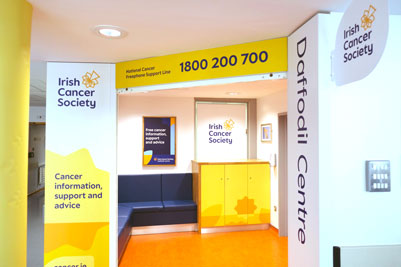
Our Daffodil Centres in 13 hospitals nationwide are staffed by Cancer Nurses and trained volunteers who provide face-to-face advice, support and information for anyone affected by cancer.
Support Line

Support Line

Support Line
Our Cancer Nurses offer confidential advice, support and information for anyone affected by cancer. Call or email supportline@irishcancer.ie. Video calls available. Mon-Fri: 9am-5pm