Sharon's Breast Cancer Story
“It was huge to have someone advocating for me at the time. I had the mental task of constantly fighting for something that is a basic human right, to have adequate housing, and to have treatment at the same time. Having someone that understood, advocated, and listened to me was fantastic.”
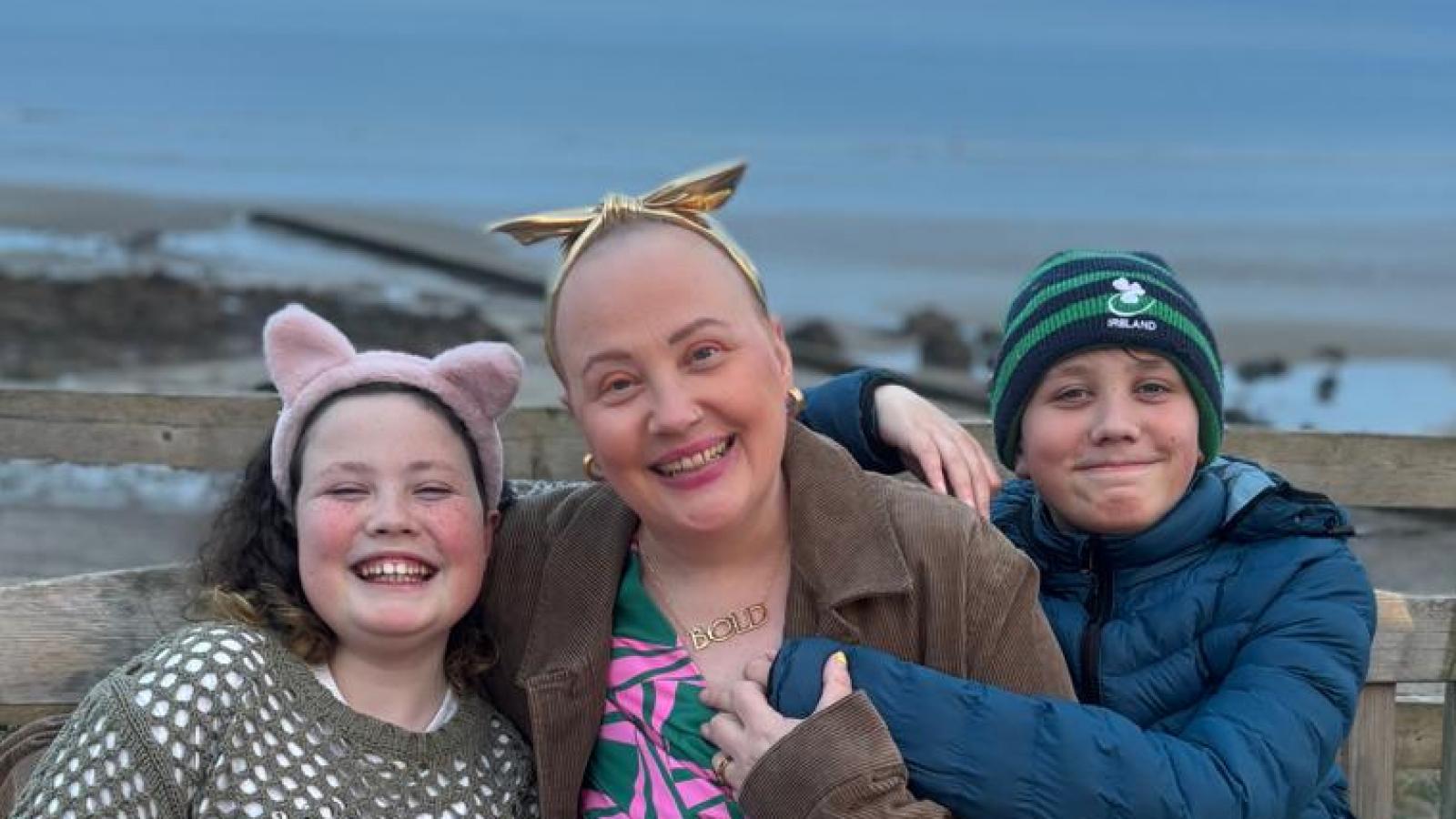
Mother-of-two Sharon O’Connor has been experiencing housing instability while living with cancer. Last month, after eight years on her local authority housing waiting list, Sharon found out she was finally being allocated a 3-bedroom apartment for her and her children.
“It’s something we can count in weeks, rather than months or anything else. It feels a bit surreal. You don’t know when it’s going to happen, but getting support to make sure our case was continuously being fought for led us to where we are now; on the cusp of moving into our own place and being able to have a bit of stability.”
“It feels like this weight has been lifted off. We can’t wait to have our own place. My daughter is so excited for how she will decorate her room.”
Sharon, from Dublin, has been on the South Dublin County Council housing list since 2017. She had been trying to find accommodation where she was previously living in Dublin 24 area, which includes Tallaght and Firhouse, and near her children’s school through both the local council and privately.
“It was a constant mental load,” she says. “If I stop fighting, if I stop looking, if I stop exploring every avenue, then things just stop. We were placed on the medical priority list in June 2024, but I couldn’t seem to get anywhere, until now.”
Sharon and her two children have alternated between couch surfing at friends' houses and staying in Sharon’s parents’ house. Last year, Sharon considered seeking accommodation through emergency homelessness services. Rather than expose her children to this, she reluctantly moved back into one room in her parents’ house in Blanchardstown area. Sharon, 46, shares a room with her two children, 12-year-old Brian, and 10-year-old Aria. Aria sleeps in the bed while Sharon sleeps in a camp bed and Brian sleeps in a bunkbed above them.
“With no space of my own, it’s very hard to rest. When my stomach is sick, when my body is sore, I don’t have a space that I can properly relax. It feels like a never-ending cycle. The stress impacts all of us.”
The children’s school is in Dublin 24. Sometimes the drive to the school can take an hour and 20 minutes during busy traffic times. Sharon says her children need to stay in their current school for their support and stability.
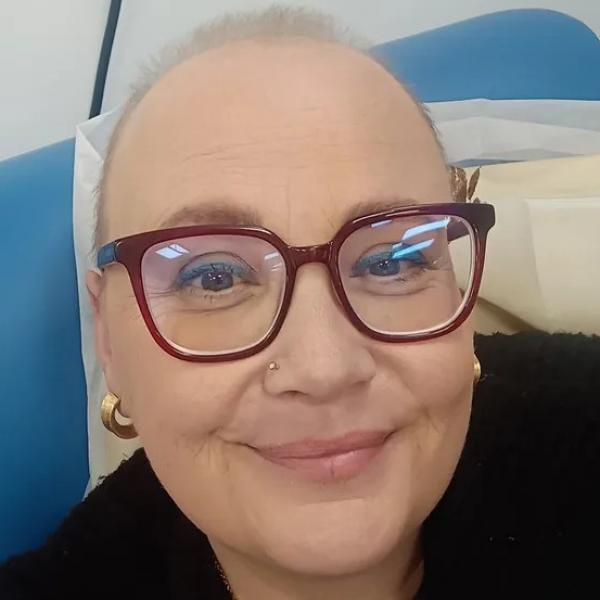
“With the chemo side effects it's harder for me to drive the kids. And I don’t always have someone else to bring them,” she says, “I have to make the decision between driving while feeling the effects of chemo or keeping the kids home for a day. It’s a constant battle to see what’s going to happen.”
In 2019, when Sharon was 39, she found a lump under her arm and a dimple in her nipple. She says in hindsight, she was also more fatigued than normal. After initial assessments her care team found a mass in her breast, and she was diagnosed with breast cancer.
She underwent chemotherapy, a mastectomy, and radiotherapy. She also found out she had a Bracha 2 gene mutation, so she had a hysterectomy and ultimately her other breast removed in 2022. She thought her treatment was complete.
A year later, in November 2023, Sharon felt fatigued again with a pain in her arm. She contacted the breast care team and got a scan done of her shoulders and under her arm. The scan showed that the cancer had returned.
“I asked if the pain in my arm caused the cancer and consultant said ‘no, I think it was just your body telling you to pay attention’. I’m quite lucky that I listened to my body. If I hadn’t of, it could have metastasised further.”
Since her cancer returned, Sharon has been on three different chemotherapy tablets and two other tablets that had adverse side effects. She was on IV chemotherapy which was weekly and now is on a treatment that takes place every three weeks. She says that her scans have been stable. “It feels more manageable long-term for me."
“I’m looking at it like it’s a chronic, long-term illness, and that’s really helping me to cope with the diagnosis that I have,” she says.
Following a referral from a Daffodil Centre, Sharon also connected with the Irish Cancer Society’s Welfare & Supports Team.
“I had gotten letters of support from doctors, and other staff, about my housing situation, but once I was linked in with the Irish Cancer Society Welfare & Support team, they said ‘we’ll go to the council'."
“It was somebody else trying for me. It was taking a mental load off me. That’s worth a million dollars to me. To know that I can take a breath from that constant fight or flight.”
Sharon also copes with her diagnosis by finding a “good support tribe.” She is a member of The Plurabelle Paddlers, a Dragonboat racing team that comprises of women who have had or still have breast cancer. “It’s nice to feel normal,” she says of the group.
Speaking of her experience with cancer, Sharon adds: “I hate the rhetoric of ‘suffering from’ or ‘sick with’. It’s ‘I’m living with’. And I think that mindset is really important."
“I have to have a little bit of optimism in things because otherwise you could end up wallowing and thinking the world was against you. The tunnel might be long, but there is light.”