Shannon's Story
“I had assumed that just having a lump wouldn’t have been enough of a sign that it was cancer. I thought I’d feel sick too. I was training to try and make the Ireland squad for the Rugby World Cup when I was diagnosed, so I was actually the fittest and healthiest I had ever been.”
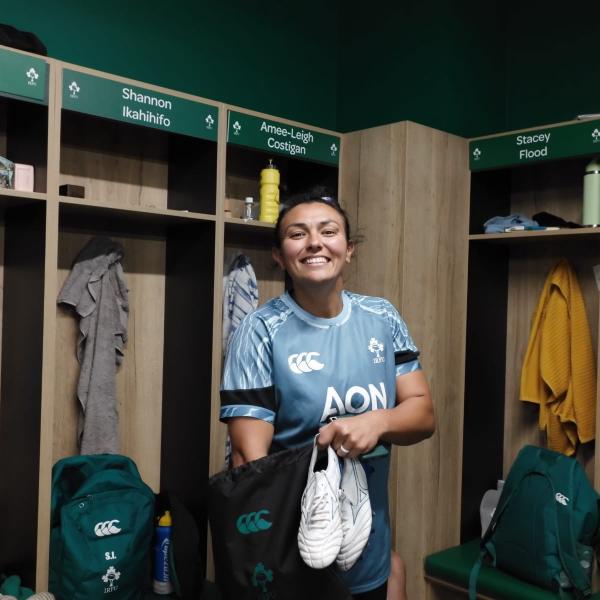
Shannon Ikahihifo, 31, achieved a lifelong ambition of playing international rugby when she was in her late 20s. In 2023, she moved from her native New Zealand to London to play for professional rugby union club Trailfinders.
She was then selected for the Ireland Women’s Rugby team in the following Six Nations tournament, which she qualified for as her late grandmother was Irish.
“I was very excited but also quite nervous when I was picked for the Ireland team,” says Shannon. “I didn’t know how well I would be received as part of the squad because I didn’t grow up in Ireland, but everyone was so lovely and they really embraced me.
"My mum was really excited too, because it meant I could be immersed in Irish culture for the first time. It all felt pretty surreal."
“Putting on the jersey and representing Ireland was amazing. It was very emotional for me because it was probably one of the first times I felt truly connected to my Irish heritage and that I belonged.”
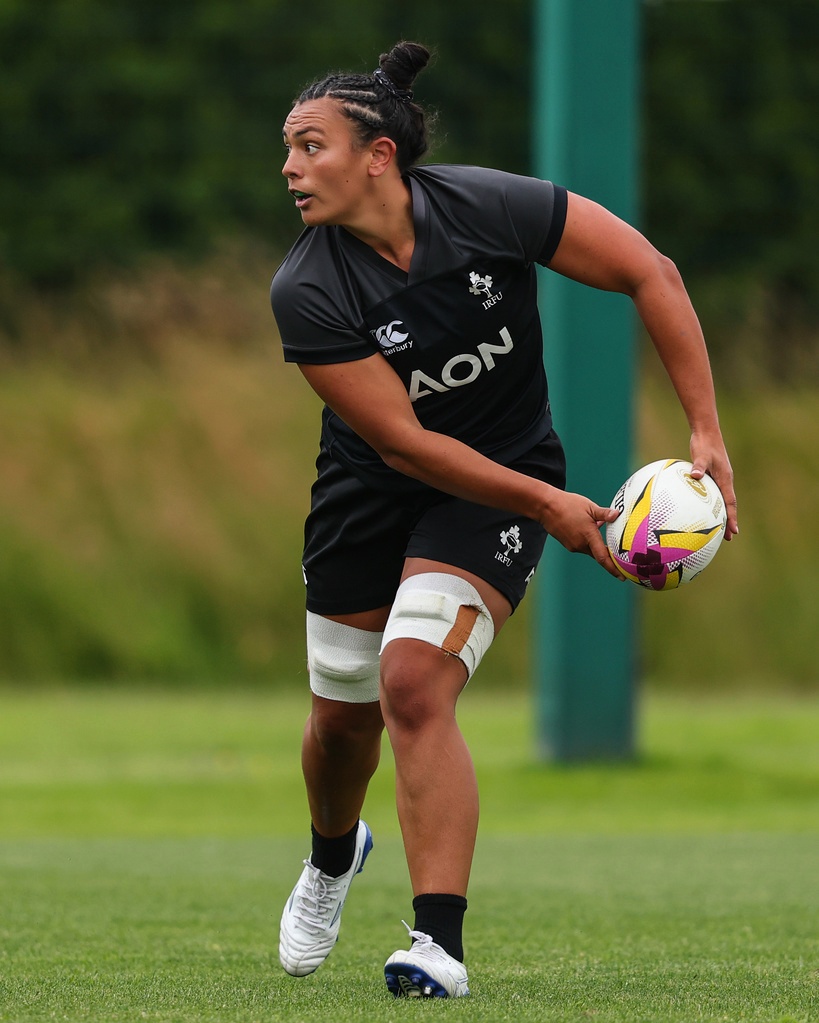
In summer 2025, Shannon’s routine consisted of flying into Dublin on Sunday evenings and flying back to London every Thursday, as she was going to camps as part of the Ireland squad with the hope of being selected for the Irish Rugby World Cup team. During this busy time, she noticed a lump in her right breast and initially hoped it would go away on its own.
“It felt like a hard, spongy mass that was almost as large as a golf ball,” says Shannon. “It was odd as there was no pain when I squeezed it and I was able to move it around a bit. Being so busy with World Cup prep, I left it for three weeks to see if it would go away, but over that time it actually seemed to grow a bit.”
In early July 2025, Shannon went to her GP who referred her to hospital, where she had an ultrasound and a biopsy.
“I remember the timing was really awkward because it meant flying to Dublin a day later and missing one of the camp days to go to the appointment."
"We were on the fringe of World Cup preparations, and I didn’t want to jeopardise anything, so I felt a little frustrated. But of course, now, in hindsight, I’m really glad I prioritised my health and went to the appointment."
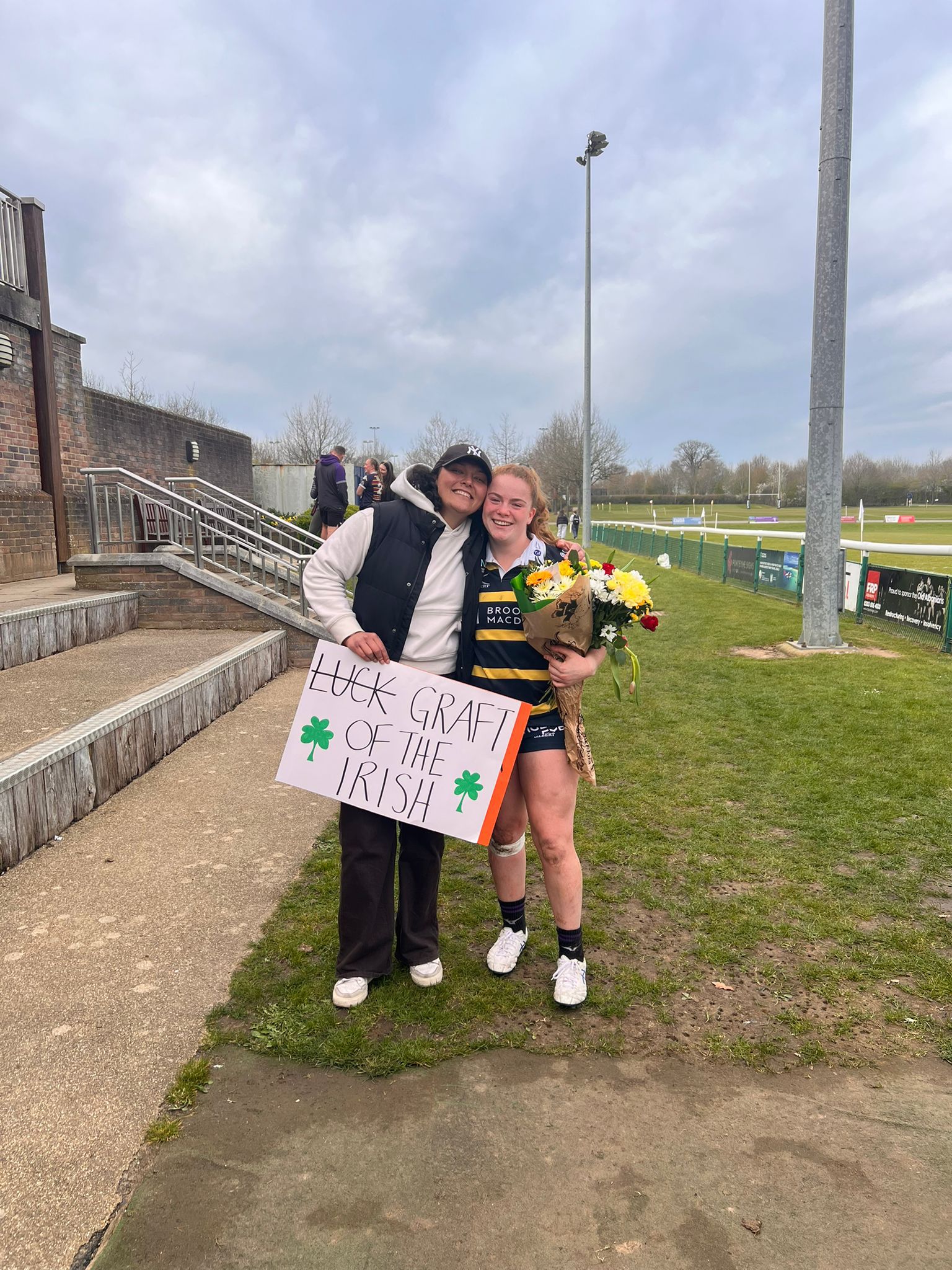
“A few days after the hospital appointment, I found out I hadn’t been selected for the finalised World Cup squad. Then after my final training with the team, I remember coming off the pitch and seeing a notification on my NHS app letting me know I had an appointment scheduled at the hospital for my results.
"I had been expecting a call or a message to say that everything was fine, so alarm bells started to go off at that point.”
When Shannon went for her results, they told her she had breast cancer and that the type she had was aggressive and fast-growing. She was immediately sent for a mammogram, an MRI, and a CT scan so her medical team could see if the cancer had spread.
“Thankfully, the results showed that it was still localised in my right breast, so that was a huge relief. The lump was quite large and growing quickly, but it hadn’t spread to my lymph nodes.”
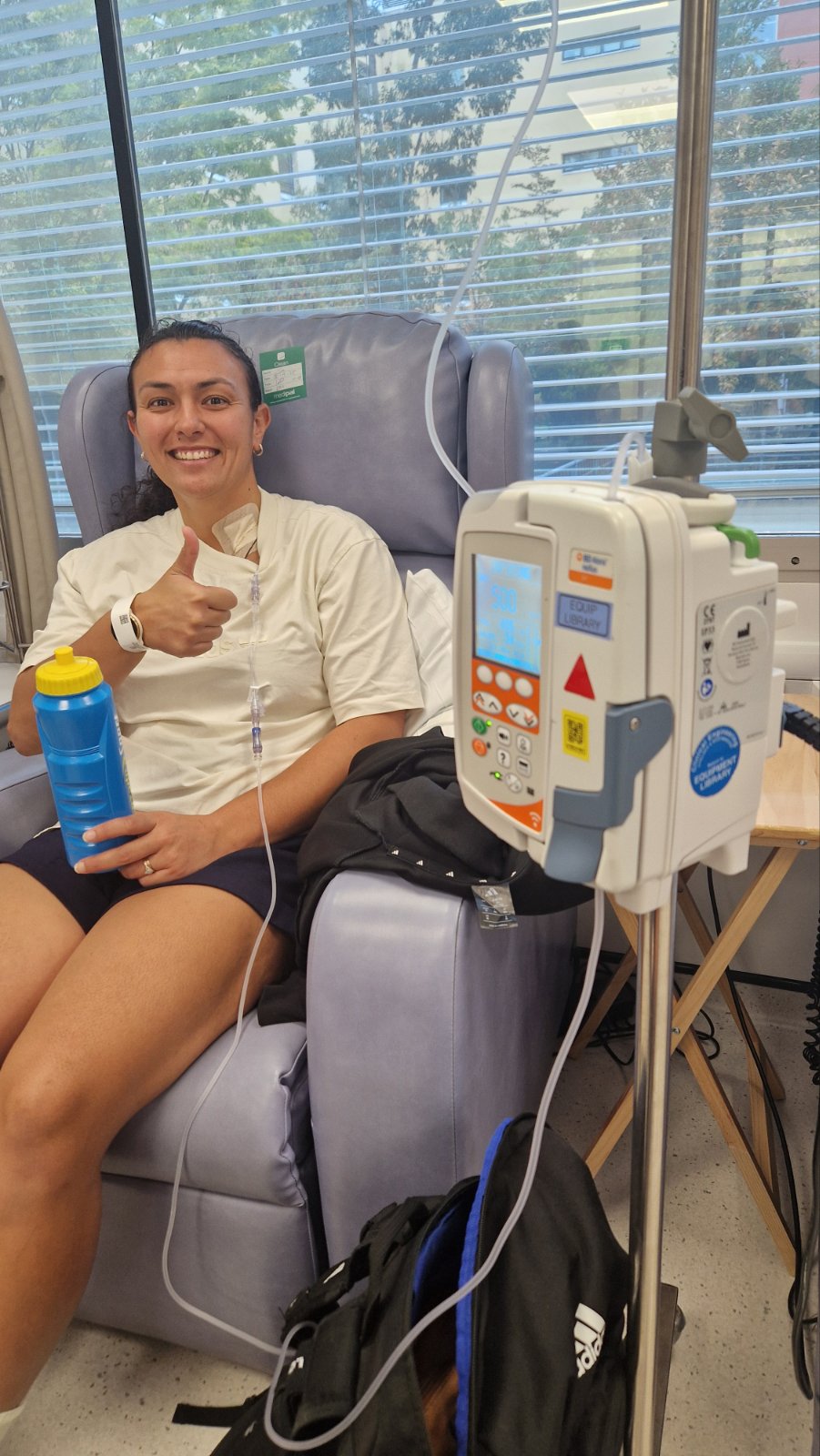
Shannon started chemotherapy in October 2025 and used a cold cap throughout which she says led to her being able to keep most of her hair. She finished chemotherapy at the end of February 2026 and then had a lumpectomy in March.
“It became a little complicated, because there wasn’t just one lump,” she says.
“After chemo, they found a second lump, and by the time surgery came around I actually ended up having three lumps in my right breast. They took away three-quarters of my breast tissue, and I had reconstruction surgery where they redistributed some fat from my back.”
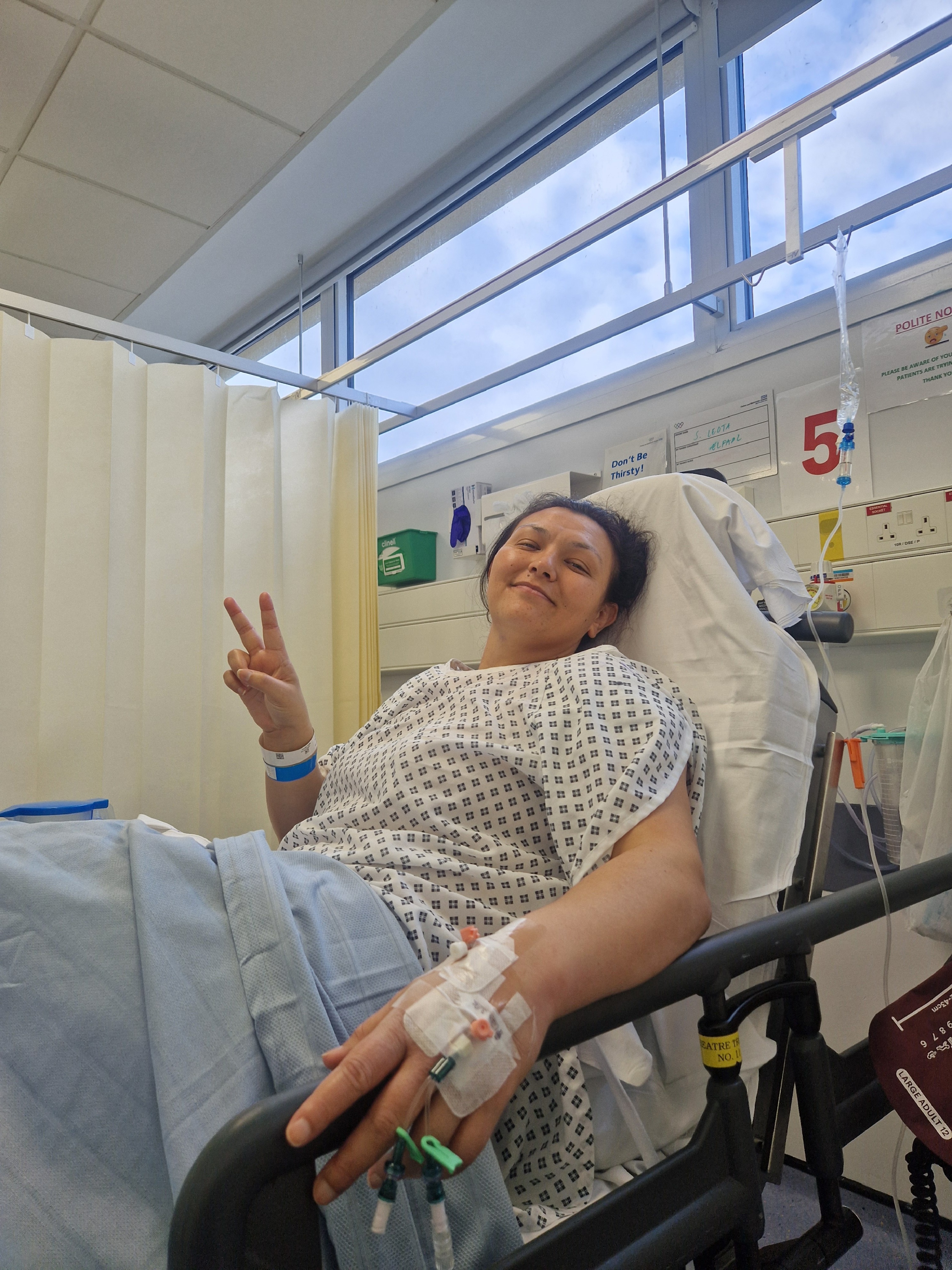
After this, Shannon had ten sessions of radiotherapy which began in late May and ended in early June. In July, after transitioning out of active treatment, Shannon moved home to Auckland.
Her cancer was hormonal, so her treatment has put her through early menopause to prevent the risk of recurrence. She will now have to take hormonal medication for the next ten years and goes for regular scans.
“Now is probably the right time to retire from professional rugby, because having had radiotherapy means the right side of my ribs are now more prone to breaking,” adds Shannon.
“It wouldn't be the wisest to take part in contact sports anymore, so I'm hoping I can stay involved in the sport in some other capacity.”
She is proud to have played rugby professionally and to have represented Ireland but is now looking forward to going back to her career in biomedical engineering.
Commenting on what helped her to get through her cancer experience, Shannon says: “The approach that helped me the most was realising that it’s OK to put yourself first and do whatever it is you need to get through it."
“There were definitely some days that were incredibly tough, but I had to remind myself that those moments would pass and I would get through it."
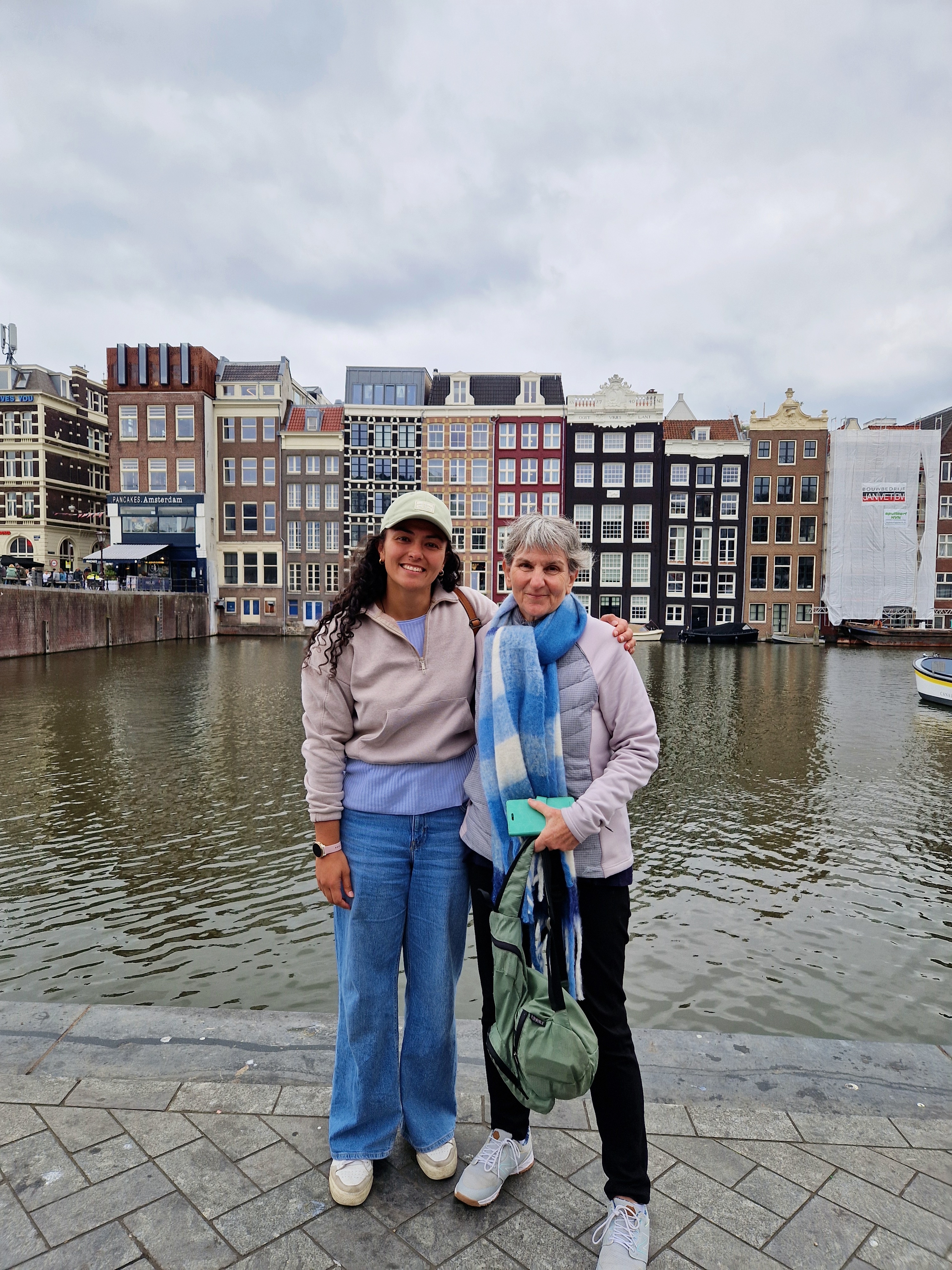
"When I could, I’d go for coffee or a short walk, have a friend come over, and even managed to squeeze in a few low-key trips away. Even though my energy was low, doing these things helped to fill up my cup.
"It was important to me that the experience wasn't only bad. I wanted to create some happy memories to look back on if I could, and I think those nice moments were also huge in helping me get through the harder days.”
Shannon is sharing her story as an ambassador for the Irish Cancer Society’s Breast Cancer Awareness Month campaign to encourage people to check their breasts and get any lumps or changes checked.
“Don’t think that something like a lump just on its own can’t be a sign you have cancer,” she says. “If you find a lump or notice a change and it does turn out to be cancer, you give yourself a better chance of being treated successfully if it’s caught early, so go to your GP if you notice any changes.”
Reflecting on her experience, Shannon says: “After it all, I do feel really lucky, as unfortunately not every cancer is caught early enough for it to be curable.
"It’s definitely not been an enjoyable experience, but I count my blessings where I can and I’m really glad I got the lump checked when I did. I'm hoping my experience makes more younger people take any unexpected changes in their body more seriously.”