Roisin's Story
“Breast cancer can happen to anyone; it doesn’t only affect older people. If I can influence even one girl to know how to check her breasts and to do it regularly, then I’ll be happy.”
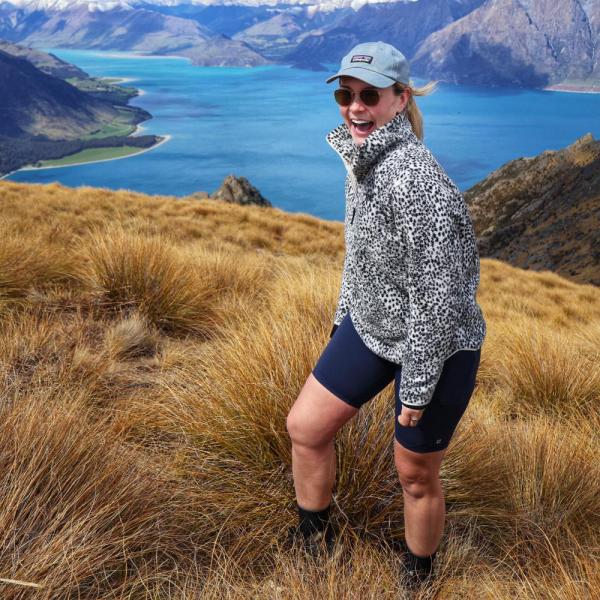
Roisin Molloy, 28, from Offaly was living in New Zealand when she noticed a sore lump in her right breast in September 2025.
“I was scrubbing off some fake tan when I noticed it,” she says. “It was apple-sized, quite hard and close to the skin. There was some pain around it. I thought it was unusual but left it for four weeks to see if anything changed about it during my menstrual cycle.
“Four weeks later, it still felt tender when I applied pressure on the lump, so I went to see my GP. I went to my GP for peace of mind, really. My GP thought it was unusual but wasn’t overly concerned. She sent a referral to get it checked.”
Two weeks after that appointment, Roisin began to experience a darting pain in the lump, so she went back to her GP. Her referral was then changed to an urgent one, and she was seen in hospital within two weeks and was diagnosed with breast cancer.
“I got my diagnosis of stage three HER2 breast cancer in November 2025,” says Roisin, who worked as a teacher in New Zealand. “One of my friends came with me to the appointment and they told me my diagnosis there and then. They said I had a nine-centimetre tumour, and they said they needed to do the biopsy that day because time was of the essence."
“I felt like I was the loneliest person in the world. I was 20,000kms from home, and I was so scared and in disbelief. I was so healthy, and I had no family history of cancer. I couldn’t understand why this had happened.”
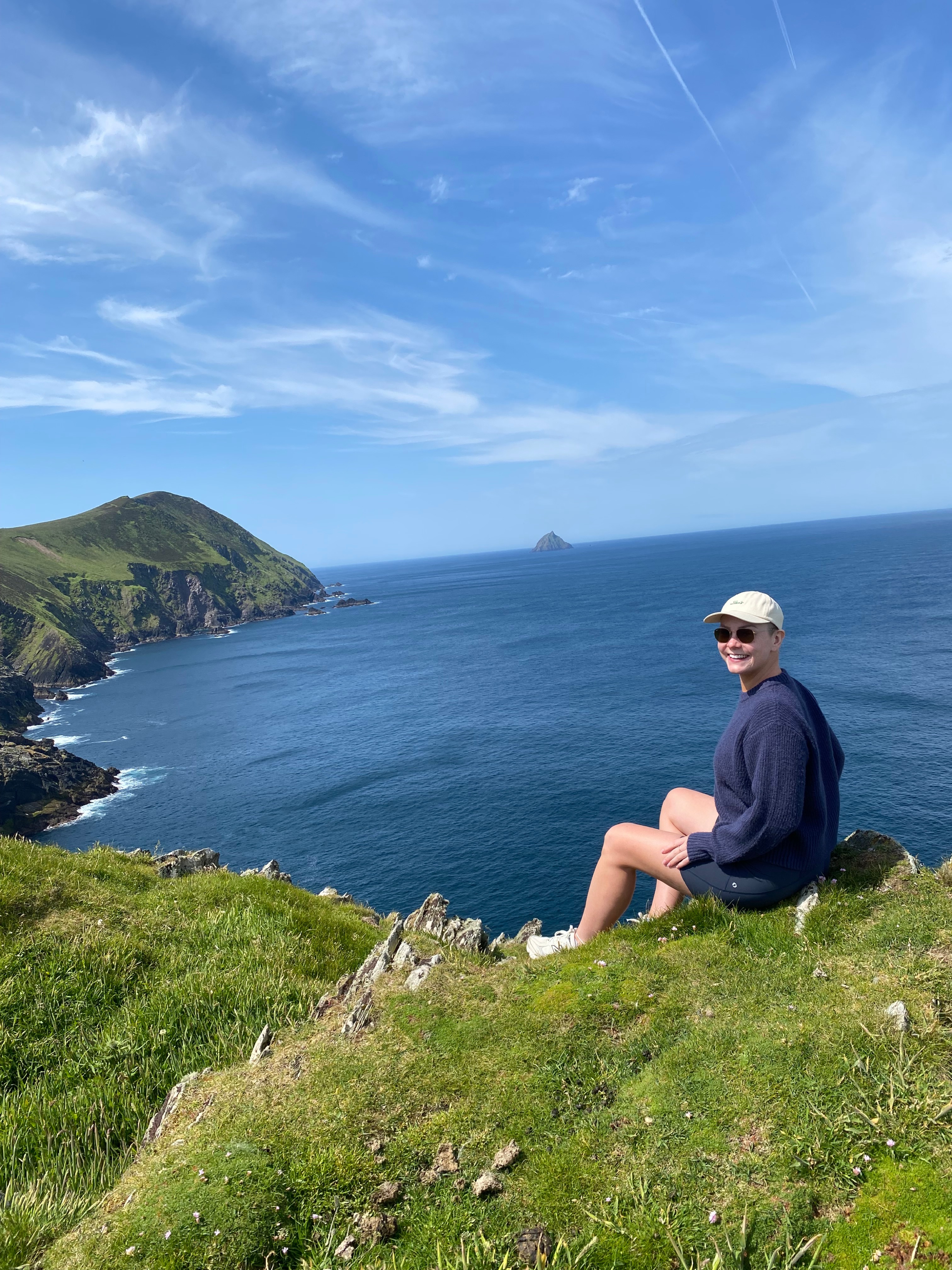
Almost three weeks after her diagnosis, Roisin moved back home to prepare to go through cancer treatment. She arrived back in Ireland on Saturday, and was in St James’s Hospital the following Monday where a treatment plan was devised. Roisin decided to freeze her eggs so she can have children in the future.
“I froze my eggs over Christmas,” she says. “I was determined, even before I started treatment, that I was going to live past this and have a long, healthy and happy life after this chapter. I was stubborn in ways, not taking this as a death sentence but as another adventure.
“I started chemo on the 12th of January 2026. I had six rounds. I was so sick throughout it. I couldn’t eat anything. I was very, very sick and very, very weak after the first two rounds so they adjusted the dose, and it made a huge difference.
“I lost my hair, which was really hard mentally. I could’ve done cold capping to try save my hair, but we knew the results wouldn’t be great. As hard as it was losing my hair, I didn’t want the anxiety of waking up each morning and wondering how much hair had come out in my sleep."
“Knowing I would lose more and more hair with every passing round of chemo left me feeling helpless, so I just let it go. It was January so it was the perfect time for new beginnings. I tried my best to embrace this hard change, but I was afraid I wouldn’t recognise my reflection without my blonde curls."
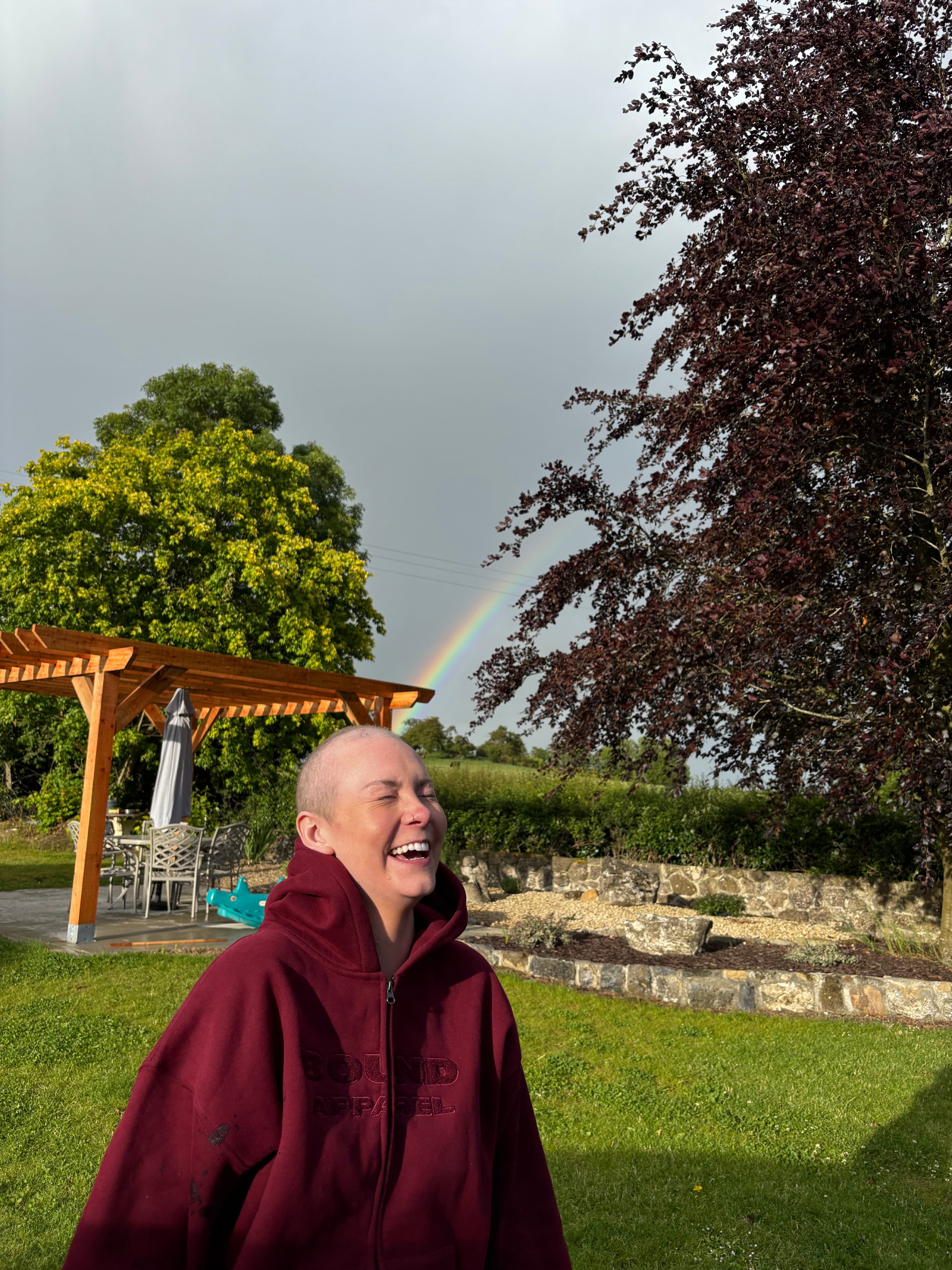
“But I did – I was still me, still loved, still determined and resilient. I would go for a walk and brush my hair, letting it fly away in clumps for the birds to warm their nests. It was my way of getting one up on cancer. Karma is kind, when you are.
“I had chemo every three weeks and I’d feel weak. The first two weeks after chemo were always my worst. But I always knew that after day 10, stronger days were coming until my next chemo appointment.”
After Roisin finished chemotherapy in April, the next stage of her treatment consisted of a mastectomy which was carried out in June.
“My body was weak after chemo, but I felt like I was coming back to being myself,” says Roisin. “But after surgery, all of a sudden I couldn’t lift a teacup, I was swollen, I had drains in, and when I looked down, my chest was totally flat."
"I felt so vulnerable and like I was the only person in the world going through this and feeling this way, but I know I wasn’t. I tried to think about it differently, that I had to lose my breast to lose the part of me that had cancer, and that it was worth going through this to get rid of the cancer."
“Two weeks after the mastectomy, I got the news that everything was clear – now I get to live again after all of this.
“Cancer doesn’t care if you’re old or young, it doesn’t care if you’re living your best life or just going through the motions. I’ve always tried to live as fully as possible, and this past year has taught me more than ever that finding peace in your own body and mind is key.
“When I realised I was sick in November 2025, I had spent the previous year travelling the world, falling in love with simple life, every day.
“The best things in my life weren’t things at all. I was going to get sick no matter what I was doing, I’m just glad I was living a life I built and truly loved. I had no regrets, I could honestly say I’ve had the time of my life and that is worth fighting for.”
The final step in Roisin’s treatment was radiotherapy, which she finished in September. Throughout her treatment, she found Irish Cancer Society booklets to be an important source of information.
“I got an Irish Cancer Society Support Pack on my first day in James’s. The nurse gave me the pack and said I could read everything in it in my own time. I liked that I could find out, piece by piece and when I was ready, more about what was happening."
“I remember one of the booklets had a page about what to expect, and it was so helpful. No one in my family had ever had cancer or been through treatment, so I had no idea what to expect until I read that. And I learned it wasn’t all doom and gloom – you can still have a life when you’re going through treatment.”
Roisin is now excited about the future and is hoping to return to New Zealand, after having to leave so abruptly when she was diagnosed with cancer.
“I saw my future in New Zealand for a long time, and that was ripped from under me in an instant. Everything had to change; I had to leave the life I’d built.
“Going back to New Zealand has become my end goal now. I couldn’t be more excited for the future. I’m at the point where I’m 28 and I’ve already been through a crazy amount of life so far.”
Reflecting on her experience, Roisin’s says she’d encourage people going through cancer treatment to appreciate the small things where they can, and to never lose hope.
“I believe everything happens for a reason,” she says. “We might not always see the reason, but it works itself out in the end. I’ve always enjoyed the little things in life that bring simple joy, and I relied heavily on that through the hard days."
“Sometimes it was as simple as letting the sunshine into my room when I was too weak to get out of bed. There’s hope even on the darkest days, sometimes you just have to look a bit harder for it."
Roisin now religiously checks her breast area on the first of the month, every month, and is sharing her story to encourage others to do the same and to go to their GP if they notice any changes.
“You owe it to yourself to know your body, know your breasts, know your normal. Breast cancer is treatable when found early and the power to find it is in your control. It’s literally in your hands.
“I know the scary feeling of finding a lump or irregularity, the anxious unknown. The feeling of not wanting to know if the unthinkable is reality. But I also know the relief of realising it’s at a curable stage, because you listened to your body.
“I watched my strong body weaken under the thumb of chemo. But I heard encouragement, ‘You’re responding really well, keep going’. I lost my breast, along with it my body confidence. But this doesn’t define me, spirit does.
“My scar reminds me of my inner strength to heal and to overcome. My body didn’t betray me, it carried me through and it survived. I have scars and stories but they are proof that I have lived through the light and darkness.
“I’m so glad that I listened to my body when I did, that I recognised the signs and symptoms that something wasn’t right. If I’d left it for a few more weeks or months, it could’ve been a different story for me. It’s so important to check your breasts once a month, at the same time every month, and to go to your GP if you notice any changes.”