Laura's Story
“I try to think of essential thrombocytosis as a blood disorder, more so than a cancer, as that word is extremely scary to me, and I have been given great reassurance from my consultant that this is a condition that I will live with and not die from.”
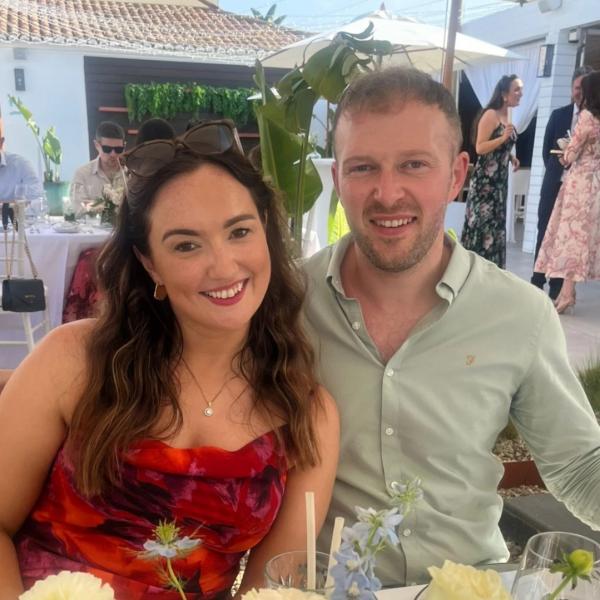
Mother-of-two Laura McClafferty (32) from Creeslough, Co Donegal, was diagnosed with a rare blood cancer called essential thrombocytosis last November. She first became aware that something was wrong when blood tests results showed high platelet levels, and later went on to develop migraines with aura, and dizziness.
“That was probably about three years ago, but the doctor thought maybe I had an infection and he didn’t think much of it,” says Laura. “Then it kept coming up every time I got bloodwork, so he put in a referral to haematology but there weren’t any appointments available in the public system in Letterkenny.
“I did have to advocate for myself at the start, and I had to go private to get a diagnosis and to get the ball rolling. I had to make those appointments and paid for them because I was put on a long waitlist within the public haematology sector – I could’ve taken a stroke or had a clot during that time, because I wasn’t put on Aspirin until I was diagnosed.”
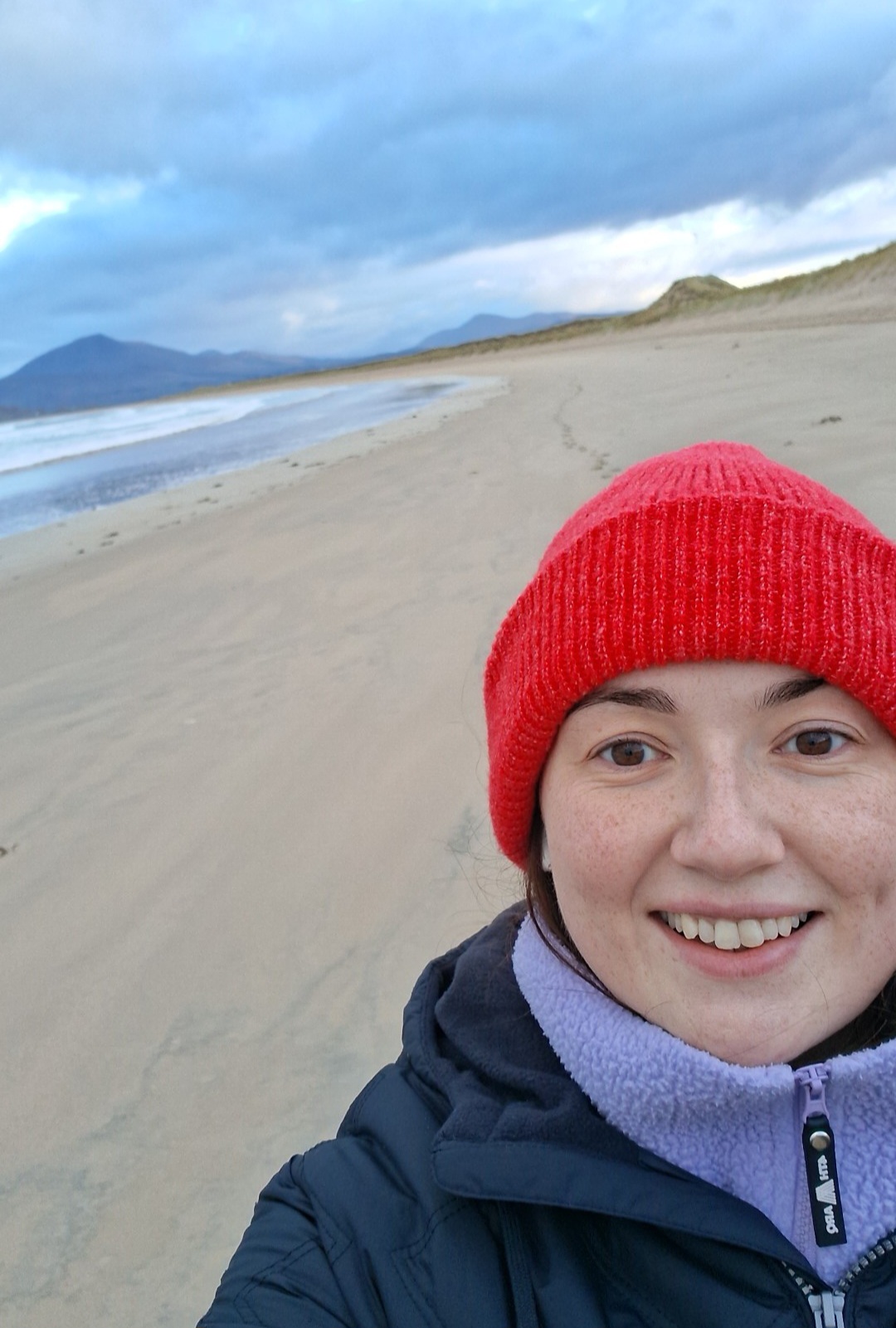
After receiving her diagnosis, Laura was referred into the public system for a bone marrow biopsy. At this time, while also getting additional tests done to rule out other factors that could be causing high platelets, it was discovered that she had celiac disease.
She believed this may have been the reason for the raised platelets in her bloodwork, and perhaps she didn’t have blood cancer. However, the bone marrow biopsy results confirmed her diagnosis.
“When I went for the results of the bone marrow biopsy, I was so sure that I was fine and I was just celiac that I didn’t bring anyone with me,” says Laura. “I fell apart when I got my diagnosis, I started crying. I was so upset. I have a three-year-old and a two-year-old, so I was thinking of them. I was in bits.”
After getting over the shock of initially getting the diagnosis, Laura described a feeling of relief of having got a diagnosis and no longer having to wait on test results. She also gained a better understanding of what essential thrombocytosis is and how it may impact her life.
Laura has adjusted to life with her condition. She experiences fatigue, takes Aspirin every day and sees her consultant every two months. She also must be vigilant about blood clots.
“The big thing is blood clots, it’s very important to prevent them,” she says. “You’re not meant to drink much alcohol, you have to wear compression socks every time you fly, and it’s important to stay fit and healthy.
“It’s always in the back of my mind, and I have health anxiety at times. Every twinge, or if I suddenly feel hot or notice a vein popping out, I think that it’s caused by a blood clot. It’s a chronic illness that you just must learn to live with, and you have to make sure you take your medication.”
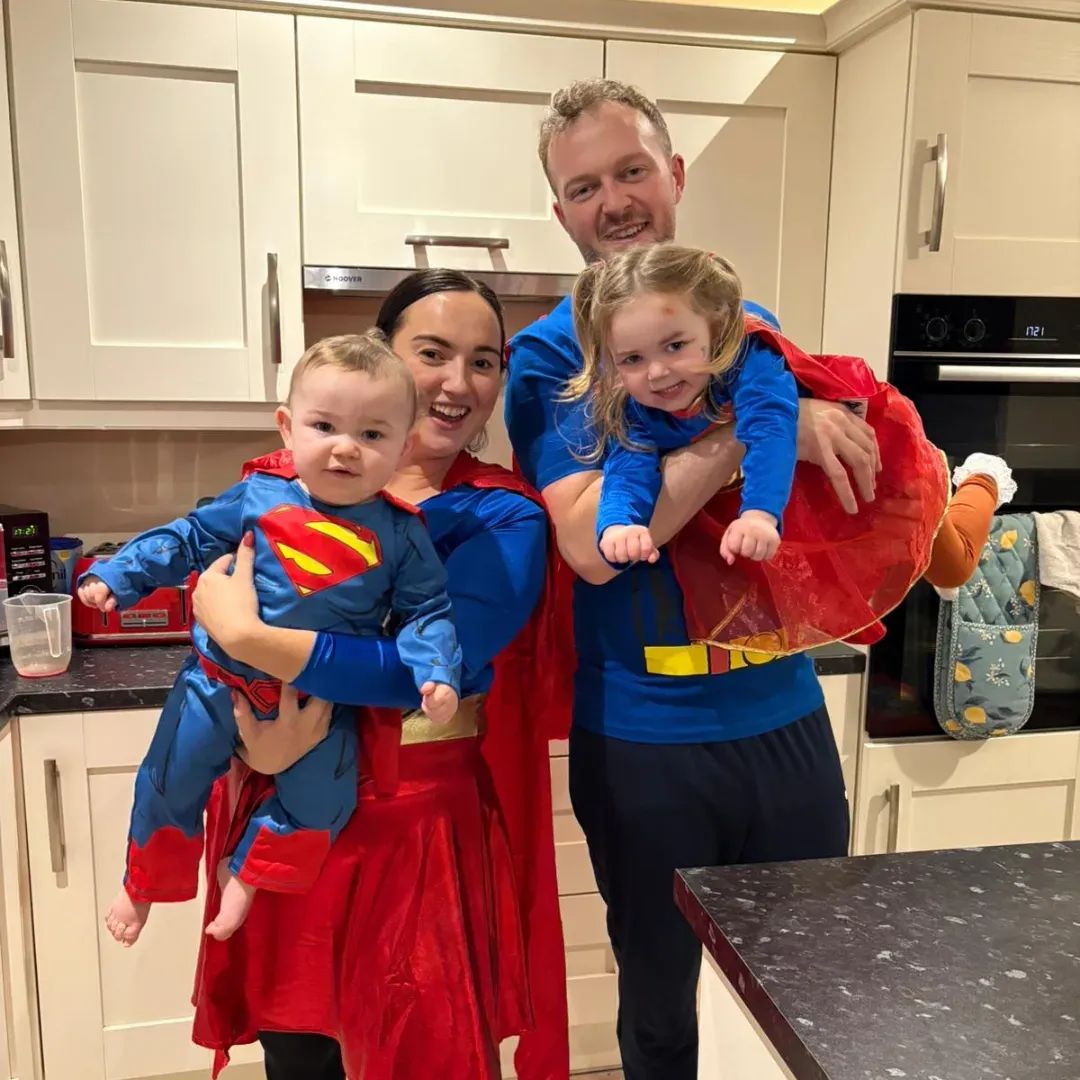
The financial impact of cancer has also been felt by Laura, who works as a behavioural therapist and does not have a GP visit card or medical card. The cost of regular GP appointments continues to mount.
“It costs me €55 every time I see my GP, and if I notice a vein popping or a small lump on somewhere like my leg, I must get it checked. This is a condition I’ll have to live with for the rest of my life, but it makes me think twice about going to the GP every time a medical concern comes up.
“The appointments are costly and can mount up, especially if you are going one or two times in the month. As my condition progresses, I worry I might put off getting medical care.”
Since her diagnosis, Laura has found exercise to be an important way to “reenergise”, with Pilates, swimming and going for walks being her favourite activities.
Reflecting on her own experience, and what advice she would give to others, Laura, who lost her father to pancreatic cancer several years ago, says it’s important to accept your feelings and stay connected with family and friends.
“It’s OK to feel sorry for yourself sometimes, you don’t have to be strong and positive all the time. It’s OK to feel overwhelmed and upset, to acknowledge and accept your feelings as they come.”