Hazel's Story
“It turned out I had a 2.4-centimentre tumour that was hidden behind the ropey fibrous tissue in my right breast. If I hadn’t got the tissue checked, I mightn’t have noticed the tumour until it had progressed even further.”
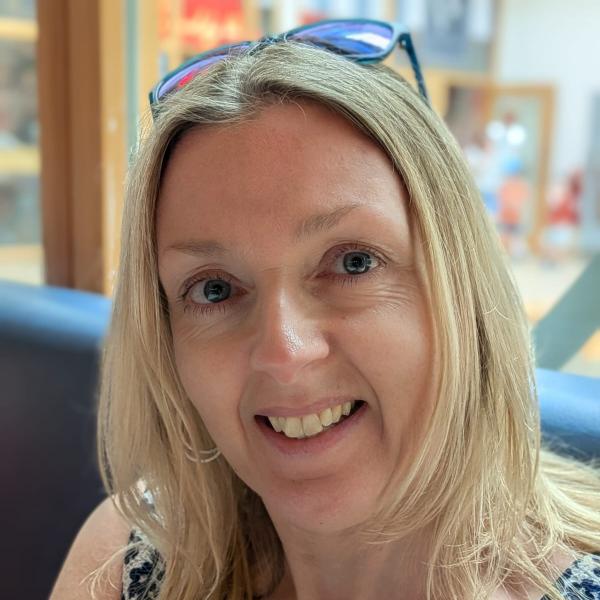
Hazel Farrell, 54, who lives in Wexford and is originally from Waterford, had fibrous tissue in her left breast for many years. It felt stringy, and she had it checked and it was confirmed that everything was fine. However, in October 2025, she began to notice some fibrous tissue developing in her right breast for the first time.
“I didn’t have a lump. It just felt fibrous, like rope underneath the skin,” says mother-of-two Hazel. “My GP checked it and said it seemed fine, but he referred me to a Breast Clinic just to be sure.
“When I went to the Breast Clinic, the doctor said it seemed like it was just more fibrous tissue, but he told me that he’d send me for a mammogram for due diligence.
“The first indication that anything was wrong was when, after the mammogram, the consultant radiologist came in and said that I’d also need to get an ultrasound and a biopsy.
“I asked him, ‘Does the biopsy mean there could be something dodgy there?’ and he said he wouldn’t be doing a biopsy if there wasn’t. After the ultrasound and mammogram, he said he was 80% positive it would be breast cancer, but I’d have to wait two weeks for results to confirm it.”
Two weeks later, Hazel received her diagnosis of HER2-positive, HR-negative breast cancer. It came as a total shock to her.
“The majority of breast cancers are hormone related, but mine isn’t. It’s HER2-positive; it’s aggressive and it isn’t genetic,” says Hazel, whose mother passed away from a different type of breast cancer.
"It felt like I had a total loss of control. I felt a lot of anger about it. It felt really unfair, and I lost trust in my own body – that was a massive thing. It felt like my body had betrayed me."
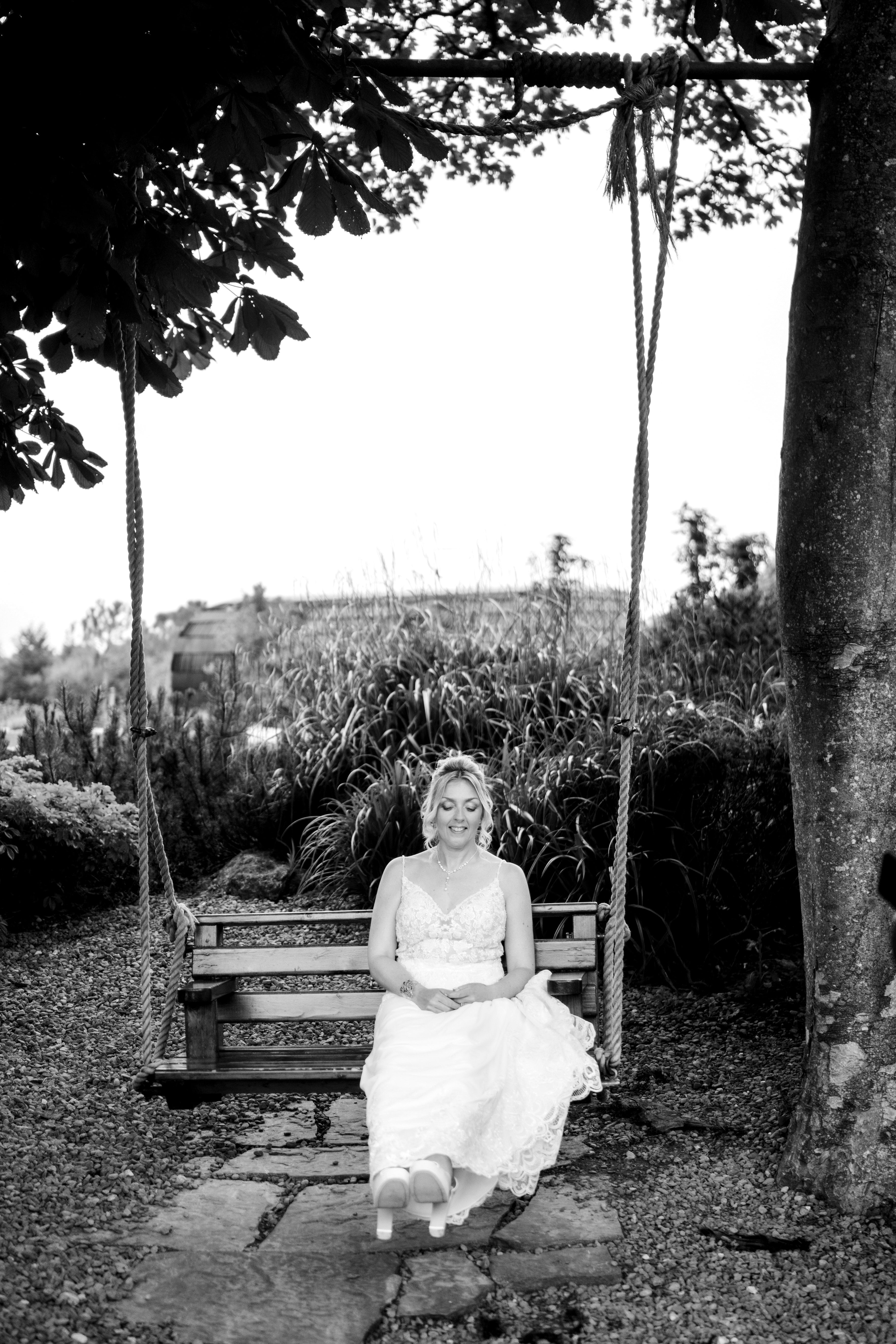
“When I saw the breast surgeon, after I got my official results, he said I’d need chemo, surgery and radiotherapy and he told me that after treatment there was still a chance that the cancer could come back. It all felt like too much.”
While grappling with her cancer diagnosis, Hazel did receive some good news from her oncologist which gave her a sense of hope.
“I was told my type of breast cancer was highly treatable because of Herceptin,” she says. “My oncologist told me that Herceptin moved my cancer from being a death sentence 10 or 15 years ago to now being treatable. He said this drug was a huge success story and curative for my cancer type.”
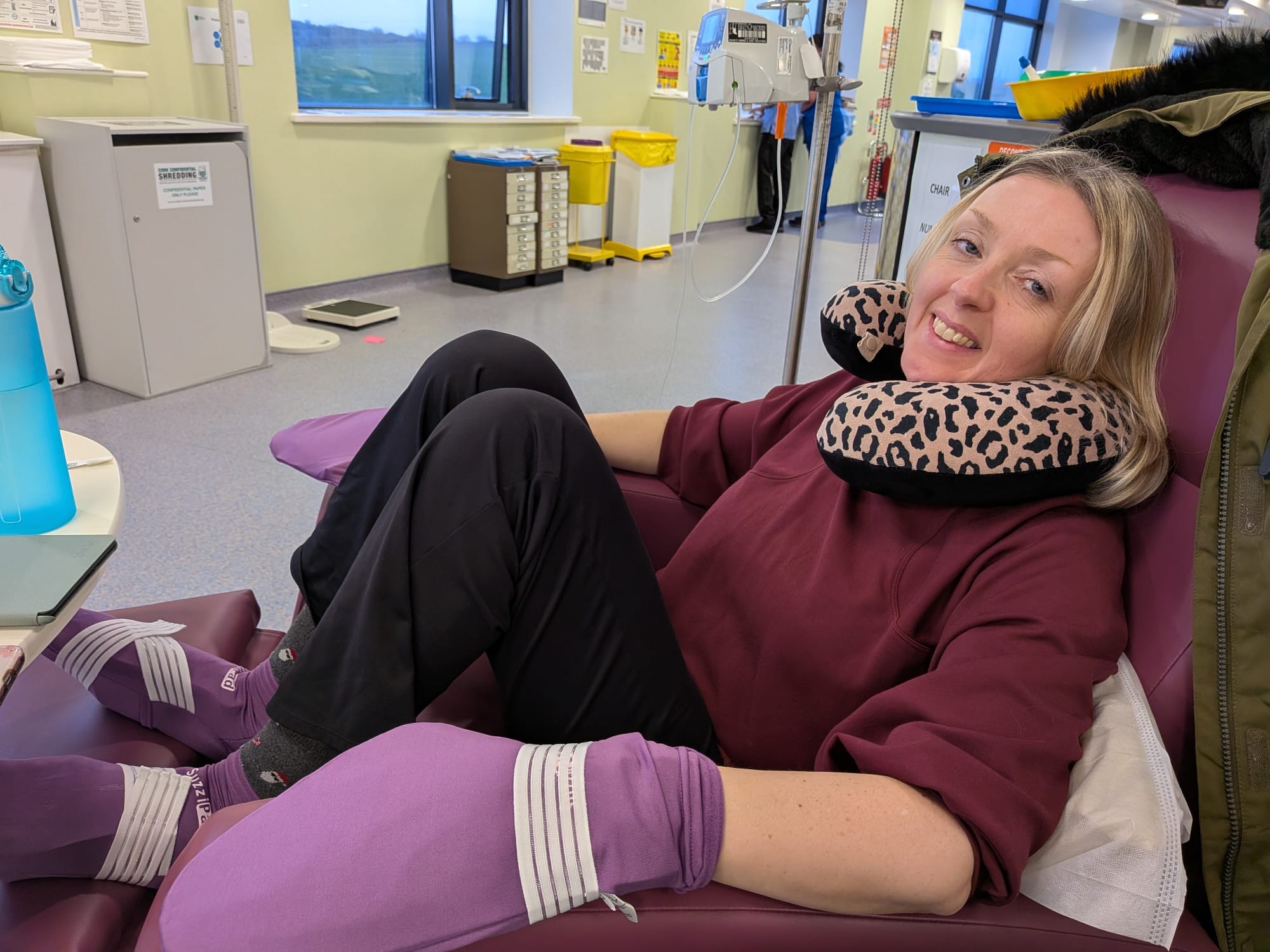
In late December 2025, Hazel started chemotherapy. She says that starting treatment gave her a new focus and helped her to stop ruminating about her diagnosis.
“There are moments when I think it’ll all be OK, but there are other moments where I get scared and overwhelmed. It all felt very rocky for me until I started treatment."
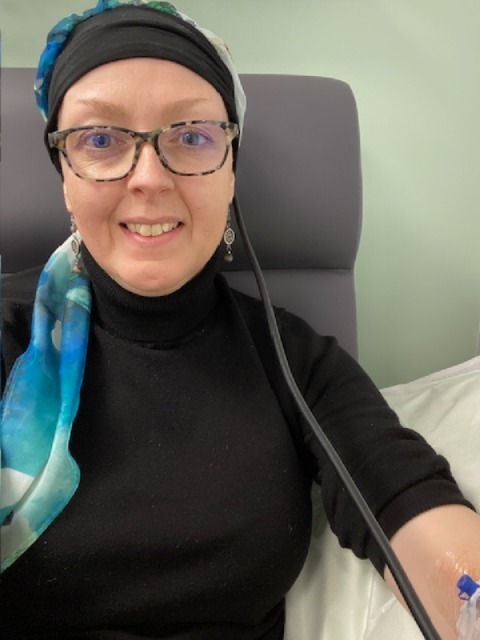
“I got to a place where I had to accept it, and once you’re in treatment, you’re in a system and you have a schedule to focus on.”
Hazel’s chemotherapy was TCHP, and she finished this treatment in April after having six rounds of it. She found the first round of chemotherapy particularly difficult, and she struggled with fatigue, bone pain, and inflammation throughout the treatment. The next step in her treatment was in May 2026, when she underwent a lumpectomy.
“By the second round of chemo, the tumour was gone, there was no evidence of any tumour,” says Hazel. “The surgery ended up being a lumpectomy, even though there was no lump to be removed. They cleared the area where the tumour had been and took away the sentinel nodes for testing.
“The results came back over two weeks after surgery, it was a pathologic complete response (pCR) – it meant there was no cancer residue in the tissue, and no cancer had passed through to my lymph nodes."
“When I got that news, I was emotional and then the happiness could sink in. It felt good.”
Hazel will begin radiotherapy in the coming weeks and continues to live a full life. She does reflexology and acupuncture in the Solas Cancer Support Centre in Waterford, and she writes a blog on Substack called ‘Identity Ruptured’, detailing her cancer experience.
Throughout treatment she has continued working as the Academic Lead for AI in SETU, as she was able to work from home and appreciated it as a distraction from treatment. All throughout her experience, she has found the Irish Cancer Society to be a reliable source of information.
“I read the Irish Cancer Society booklets and the website, they were a huge help,” she says.
“When you’re diagnosed with cancer, you try to find out as much information as you can, and it was really helpful to be able to take in that information from the Irish Cancer Society and to know you can trust it.”
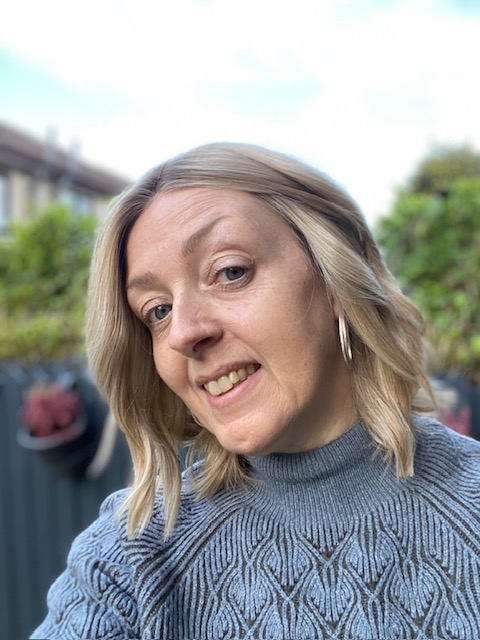
Reflecting on her experience, Hazel says she’s still managing the side effects of treatment.
“I’m pretty good now,” she says. “It’s strange, because I feel like chemo is the hardest part, even the surgery recovery wasn’t that difficult for me. I feel like I should be back to my normal life, but I’m still experiencing side effects from chemo, like gastrointestinal issues, extreme fatigue, brain fog and inflammation. My body is so used to fighting that now I have a really strong histamine response. But I feel good in that I can enjoy normal things now, like going for a walk and eating food.”
Hazel is sharing her story to encourage people to be proactive about their health, and to get any changes they notice checked by their GP.
“Don’t feel like you’re bothering your doctor, you’re important too. Even if you’re worried about a small thing, you’re not wasting anyone’s time by going to get it checked out.”