Francine's Story
“Cancer doesn’t define who you are, it’s just a part of your story.”
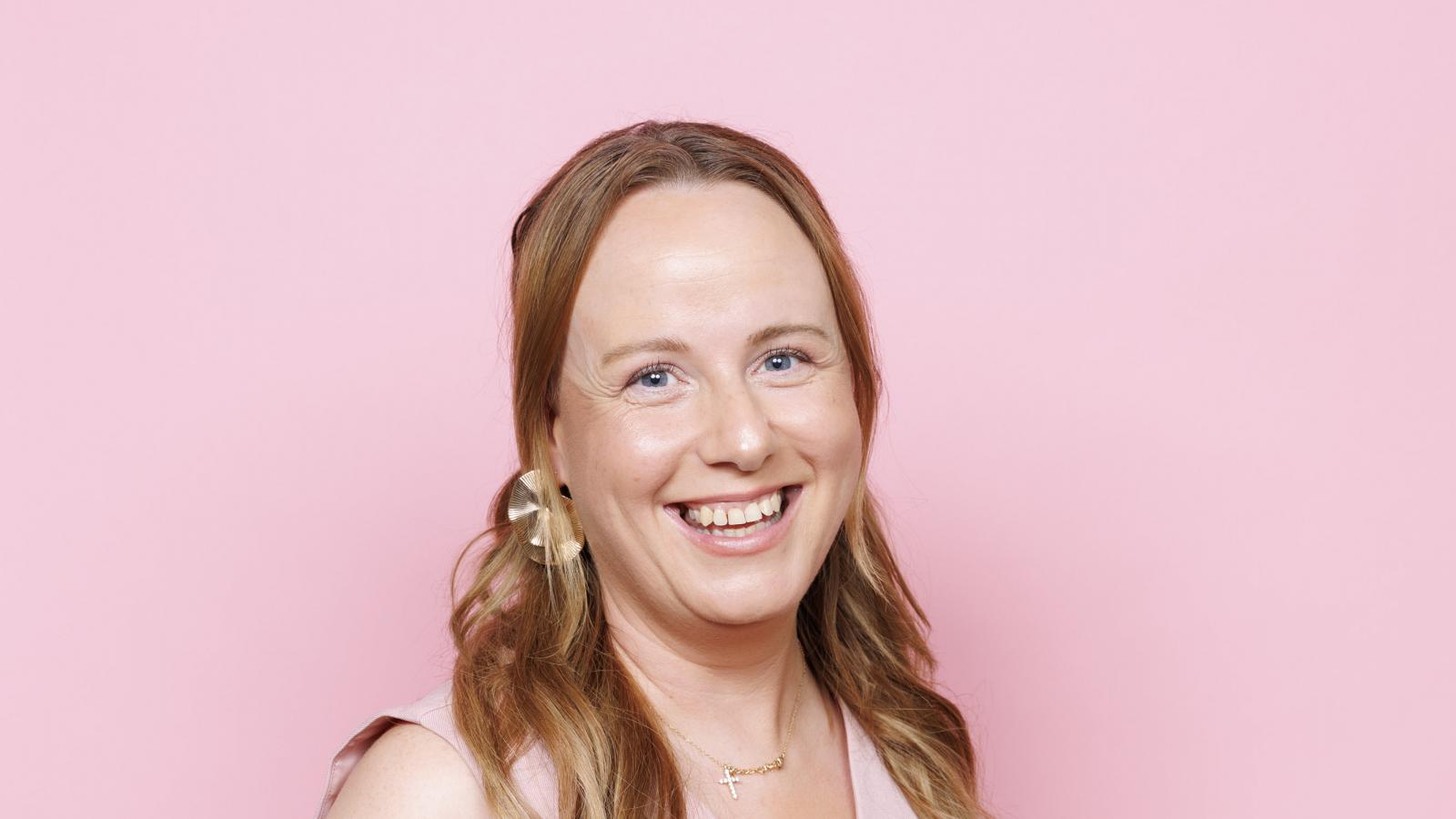
Francine Downes, 40, was taking a shower when she noticed a pea-sized lump in her left breast.
“I had never checked myself before that day,” she says, “so I didn’t know if it was normal or not.”
Francine was due to start her period, so she waited a few days to see if the lump was because of her cycle. After a few days it was still there, so she went to her GP.
In June 2023, Francine, originally from Newry, Co. Down, and who lives in Limerick now, was referred to the breast clinic in Limerick. During the initial examination her specialist suggested that the lump might be a cyst, but she was referred for a mammogram and ultrasound.
After the results of the mammogram came out, the specialist suggested a biopsy.
“On the day I was diagnosed, I pulled up to the hospital and froze.
“I couldn’t get out of the car. My husband and I had just said a decade of the rosary. I was just so scared, I couldn’t stop crying.
“Even though deep down I knew it was cancer, going in and hearing the words: ‘I’m sorry but it is cancer’ Just makes it feel real."
“As I entered the room I was clutching my rosary beads. My doctor spotted them and said, ‘Keep praying, you will get great comfort from it’.”
In August 2023 she was diagnosed with Stage 1 invasive ductal carcinoma breast cancer – HER II positive. Francine would need chemotherapy, surgery and radiotherapy.
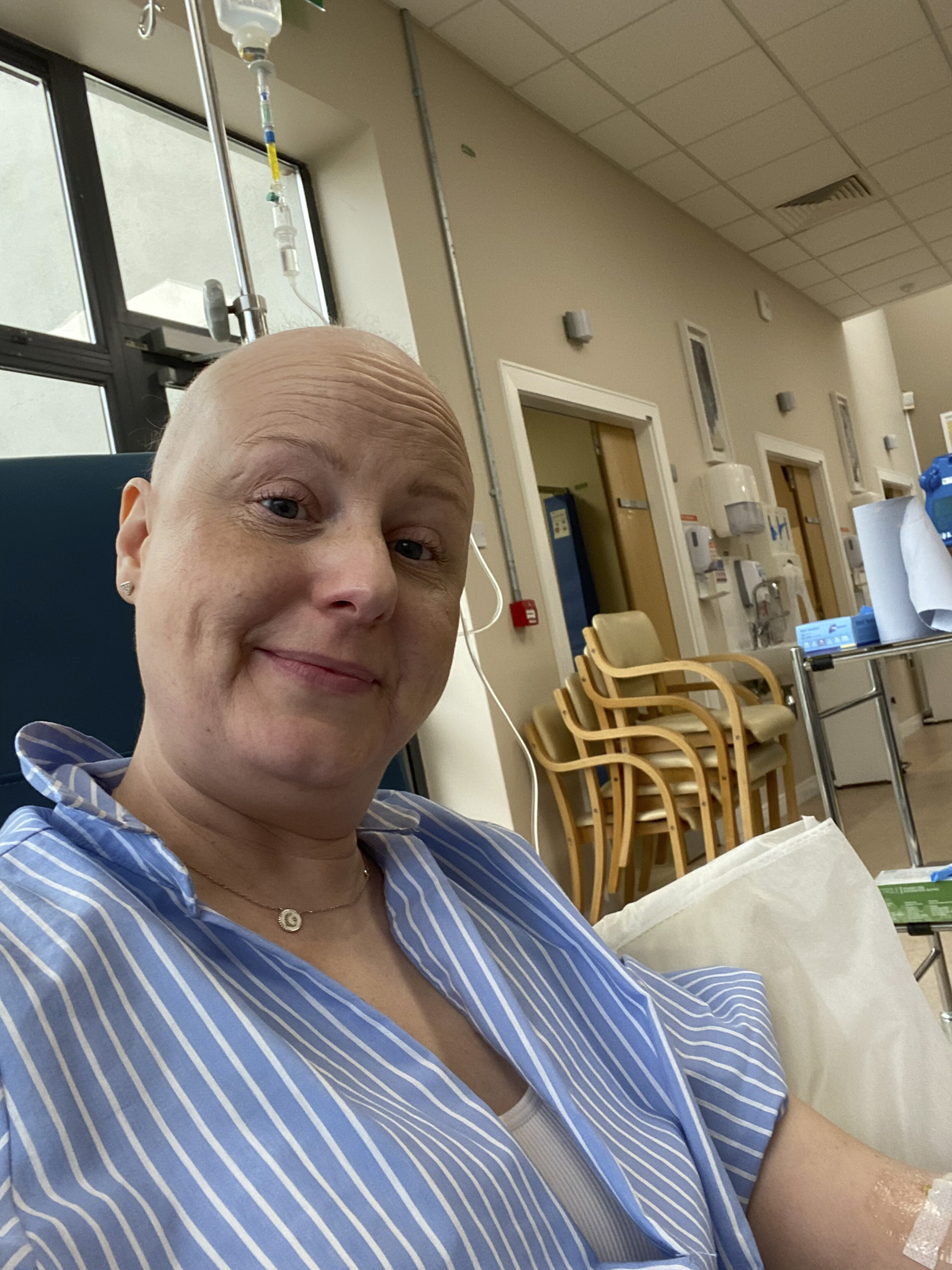
She started her six rounds of chemotherapy in September, and every three weeks she had another round of chemotherapy.
The tumour shrunk 60 per cent after the first round of chemotherapy.
“It did take its toll; I was in tears after the first one. It was very tough.
“I have a now 15-year-old, she was 12 at the time, so it was hard. I didn’t want her to see me upset; I was trying to be as positive. But then I realised, you’re going to have bad days anyways.”
She finished her last round of chemotherapy just after Christmas in 2023. But she says the hardest part of her experience was when her hair fell out, because “now people know you’re sick.
“Losing my hair was tougher than losing my breast. Hair makes you feel pretty, but when I lost my hair, it was like losing who I was, my identity. I struggled a lot with that. You don’t realise how much your hair means until it’s gone."
“I was just self-conscious. I was struggling with my image because I put on weight as well with the chemotherapy.”
In January 2024, she underwent a single mastectomy. She had never been sick or in hospital before, “so it was the operation that scared me more,” she says.
“The night before my surgery I was so nervous. A family friend, who is also a priest, was out in my in laws house. Before I left, I asked him could he give me a blessing. So, my parents in law, my daughter, husband myself and the priest stood in a circle, and he prayed.
“It was such a special and poignant moment for myself and my family. I went to the hospital the next morning with no fear at all and saying to myself, if I can get through this, I can get through anything.
Francine quotes her surgeon when summarising her experience: “It’s one bad year for fifty good ones after.”
In February 2024, Francine was told there was no evidence of cancer, but she had to get 11 more injections of Herceptin, bringing her total injections to 17.
Francine took part in a LACES group in her local Daffodil Centre in Limerick. “It helped me an awful lot with certain things, like eating and keeping fit.
“It was amazing, to know that you always had someone there to listen and there was always someone there going through the same thing as you. It was that extra support.”
She had three weeks of radiotherapy that started in April 2024. “It was tiring, the radiotherapy itself never affected me, in that way I was very lucky.”
Francine is waiting to get her reconstruction surgery done in the next few weeks and will likely have this done by the end of 2025.
“The surgeon told me all the different options and ways you can do it, so I had to come home and then do my homework, weigh the pros and cons. I decided I wanted to go ahead with it.”
Francine says she’s grateful for the great support she had from her friends and family.
“Having people there, just to sit with you, having that support was a huge help to me. There’s someone that that will help you laugh and someone there that’s a shoulder to cry on.”
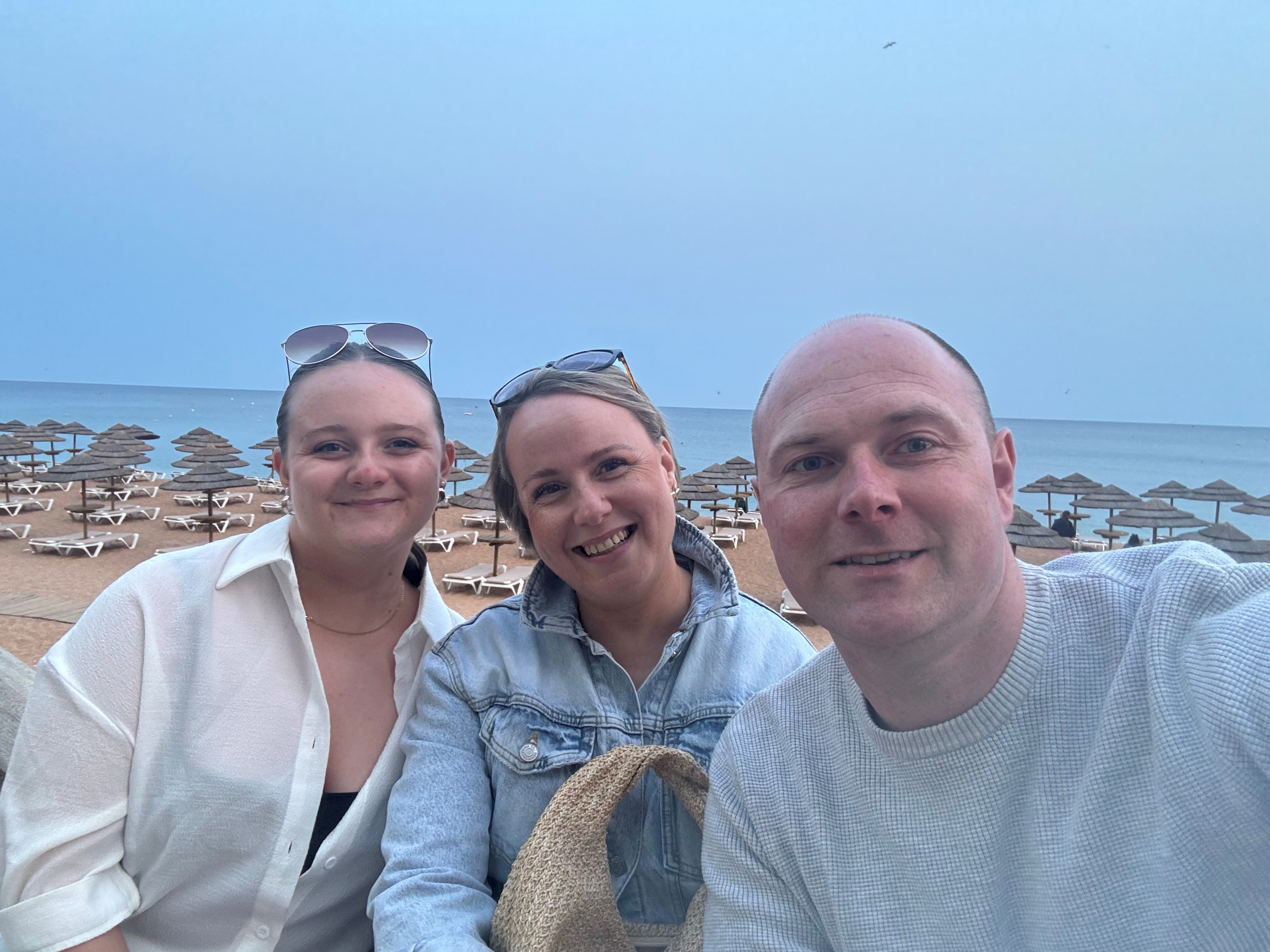
Her husband was “a rock” for her during her treatment, as his dad was also undergoing treatment for Chronic Lymphocytic Leukaemia. She also says that her daughter started secondary school one week after her diagnosis and was an “absolute trooper” who didn’t let anything get in the way of her schoolwork.
Francine also said the little things can help a lot – like using silk pillowcases, natural deodorant or certain creams for sensitive skin. She says, having “someone who is going through it or has been through it – for me, that was very important during good and bad days.”
“My faith helped me an awful lot too,” Francine says, “I know everyone’s different, but that brought me to a place that I was able to almost let go.
“It made me who I am today. I am a completely different person, physically, mentally, emotionally than before I was diagnosed. Through all of this I realise everything does happen for a reason.
“I know every cancer story is different.
“It doesn’t always turn out the way you want it to. It's not always a happy ending.
“But I wake up every morning grateful to have another day, and that I’m here to tell my story and hopefully help others.
“God has given me a second chance at life, and I intend to live it. Don’t sweat the small stuff. Live every day like it’s your last.”