Dora's Skin Cancer Story
“I tell my friends, my family now that any change in moles, whether it’s colour, size, itchiness, should be seen by a dermatologist. I know a lot of people don’t believe skin cancer can be damaging, but prevention is the best treatment.”
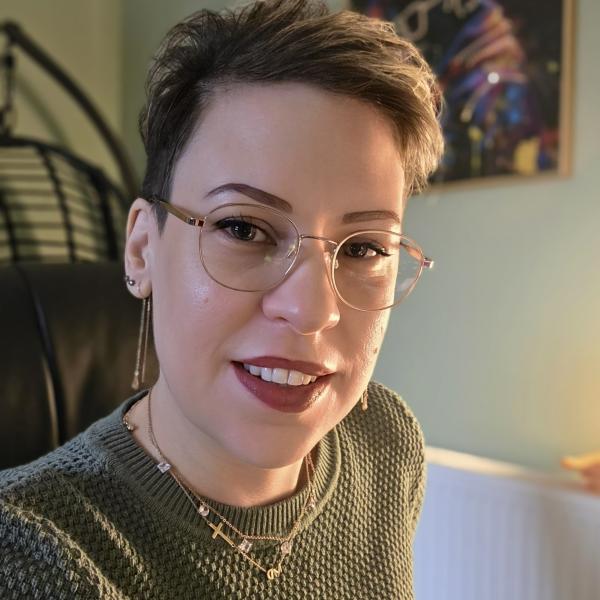
Dora Litean-Tataru, 36, from Romania now living in Portlaoise, was diagnosed with stage 4 cancer, 5 years after her initial diagnosis of melanoma.
“I had a mole that became itchy and was peeling a bit. Myself and my family always had a lot of moles on our bodies and thought it would be fine. I didn't know what the signs of skin cancer were and when moles needed to be checked,” Dora says.
In 2017, Dora went to a dermatologist with the itchiness on her mole and was diagnosed with stage 2A melanoma.
“I spent a few summers by the swimming pool without sun protection, and I got burnt a few times as a kid. When I became an adult, tanning was in fashion. I didn’t go to sunbeds, but when I was outside, I wouldn’t stay in the shade,” she says.
“Now I wear sun protection, 50 SPF plus, every day whether it’s summer or winter. I have an app on my phone that tracks the UV index to know how often to reapply sunscreen, and no sunbeds.”
Explaining her treatment, Dora says: “I had surgery and they removed five lymph nodes. After the surgery I was tested and they didn’t find any sign of cancer. I was under the supervision of a dermatologist for five years after that.”
In October 2022, she started having constant headaches. “I saw several doctors and I was dismissed every time because of my age. Then I went on holiday and started walking as if I was walking up even though I was on flat terrain. The second time I had symptoms, I handed my husband a jar instead of a knife. I also left the milk in the sink rather than the fridge. I didn’t pay too much attention to these weird instances initially.
“Coupled with the strange instances, and my headache, I went to A&E. I told them I wasn’t leaving until someone checked my head. When I got a CT scan, they saw two lesions, and initially thought I had a stroke, and when they heard my history with the melanoma, they scanned my whole body. I was told I had stage 4 melanoma, and it had spread to the brain, meninges, lungs and pancreas."
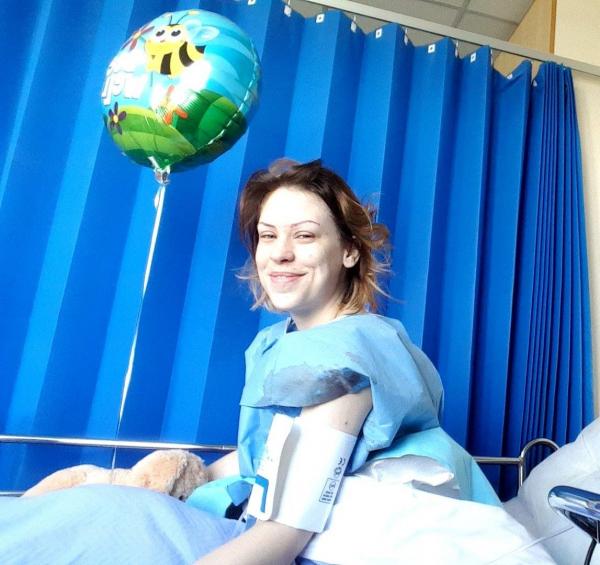
“I didn’t take it seriously enough the first time I was diagnosed. I didn’t know that cancer could spread to the brain and pancreas. After I was diagnosed the second time, I was very angry for a while. I had to wait a month and a half for treatment to start, which gave me time to be angry and process what was happening to me.”
Dora’s treatment consisted of immunotherapy, cyber knife which required her to be on steroids, and targeted radiation. She also experienced several side effects due to treatment and medication. “I could write a book with the side effects that I’ve experienced.
"Every time my treatment changed, I was terrified. I kept on asking my team if I'll still be me after the changes. Complementary to the treatment and the doctor’s contribution, I was also keen to continue to exercise and change my diet. While I was in the hospital, I continued to walk steps in one place, to oxygenate my blood.
“I’m not just cancer, I’m Dora. I refuse to be put into a box.”
After eight months of treatment, Dora went back to work full-time as a software engineer, though she still experiences side effects from treatment that she has to manage on a day-to-day basis. “I think my stubbornness, the support I received and everything else, like my diet and exercise, helped my treatment too.”
Dora’s condition has been stable for a year and a half, “My lungs responded well and are now clear. I still have something in my brain, but the doctors don’t know if it’s a tumour or scar tissue. They don’t want to touch it unless they need to, and right now they don’t. It’s being monitored and having intervention when needed.”
She also continues her treatment by taking multiple tablets as part of the targeted therapy, as her immunotherapy was exhausted and stopped working.
“Living with this condition has required constant adaptation. Side effects, treatment transitions, and uncertainty have all been part of the process. But each time something changes, I adjust and continue forward."
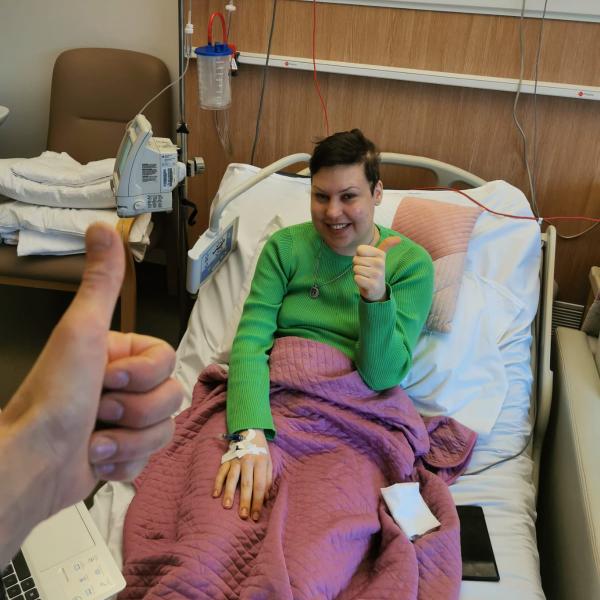
“I don’t treat my cancer as a name. I call it Gizmo, meaning ‘a thing’. Something undefined. Something that exists but doesn’t get to define me.”
If Dora could speak to someone diagnosed with cancer, she would tell them: “Do you want to live? If you want to survive, you need to do what people who are living are doing – enjoy life. This isn’t just about survival. It’s about maintaining momentum for the long term and a life full of life.
“Love your skin, sun protection helps you to age at a normal rate. Skin care helps you to age gracefully, and sun protection is the best anti-aging treatment. Protect your skin like you would protect your own core.
“I would also like to say never give up, but I felt so many times that I wanted to give up. What made me keep going, was the fact that I don’t fit in a box. I have so much more to give and to receive from people and from life.”