Aoife's Story
“Advocate. Advocate for yourself. Speak up for yourself, don’t be afraid. There’s no such thing as a stupid question. I knew in my heart it was going to be okay, but I didn’t know how bad it was going to be. But I didn’t stay in that place.”
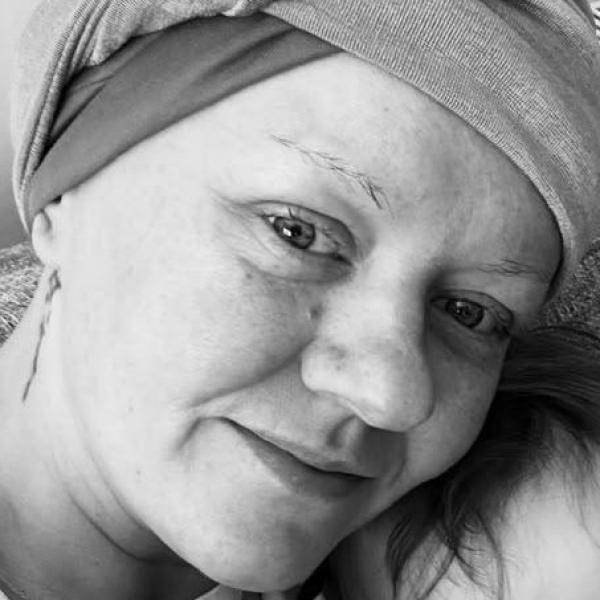
Aoife Murphy, 38, from Portarlington, Co. Laois was fit and running five kilometres a day with three children in tow when she noticed a bruised pain on her left breast.
“It was just really sore, like a really bruised pain, but there was nothing there. My mam said to me, ‘just be careful that's not mastitis’. And although my son was 8 months old, I said, I'm not breastfeeding, so it couldn’t be that.”
In November 2024, Aoife, who has private health insurance went to schedule a triple assessment at the Mater Hospital. After learning the test would cost €1,000, she opted to schedule the triple assessment in January 2025 so she would have more money as the Christmas period approached.
In January, she scheduled her appointment for the Triple assessment, and something came up on her mammogram.
“The technician said: ‘we're just going to check the entire breast because it is quite dense and we want to make sure that everything is okay.’ She scanned my arm and armpit and the whole screen just went black. It wasn't even grey. It was like this black with these really sharp outlines. I could hear her breathing change, and instantly these tears started rolling down the side of my face into my ears.”
A few weeks later, Aoife celebrated her 37th birthday. The next day, Aoife was diagnosed with stage 3 grade 3 breast cancer. “I went from maternity leave straight into breast cancer treatment,” she says. For her treatment, she began chemotherapy in February which lasted until June. She would then require surgery.
“In August, I had my double mastectomy. There was a complication with the surgery, and I ended in the ICU with an internal bleed. I needed a blood transfusion for 3 days as a result. That took an awful lot out of me. That recovery was really long,” she says.
Aoife had an axillary clearance, a surgery to remove the lymph nodes from her armpit, a month later, in September. “That was more of a challenge than my mastectomy,” she says. Although she has finished her chemotherapy, and surgeries, she still takes tablets, including a hormone suppressant, as a part of her treatment.
“You don’t recognise the person that’s looking at you,” Aoife says of her chemotherapy treatment. “But I actually kept really well and that is down to my family doing my shopping, bringing my kids to school. My biggest concern in all of it was keeping life as normal as possible for the kids.”
The cost of cancer has also been very challenging for Aoife.
“Before I got sick, I was always trying to put money away. You’d put something aside for the rainy day, for your kids, and I was trying to build a house deposit too. All of that was really thrown out the window once I was diagnosed with cancer. One of the first things that went through my head straight away, was that it doesn't matter what I had saved or long I was saving, with cancer, it’ll be years before I can even think of buying a house now.”
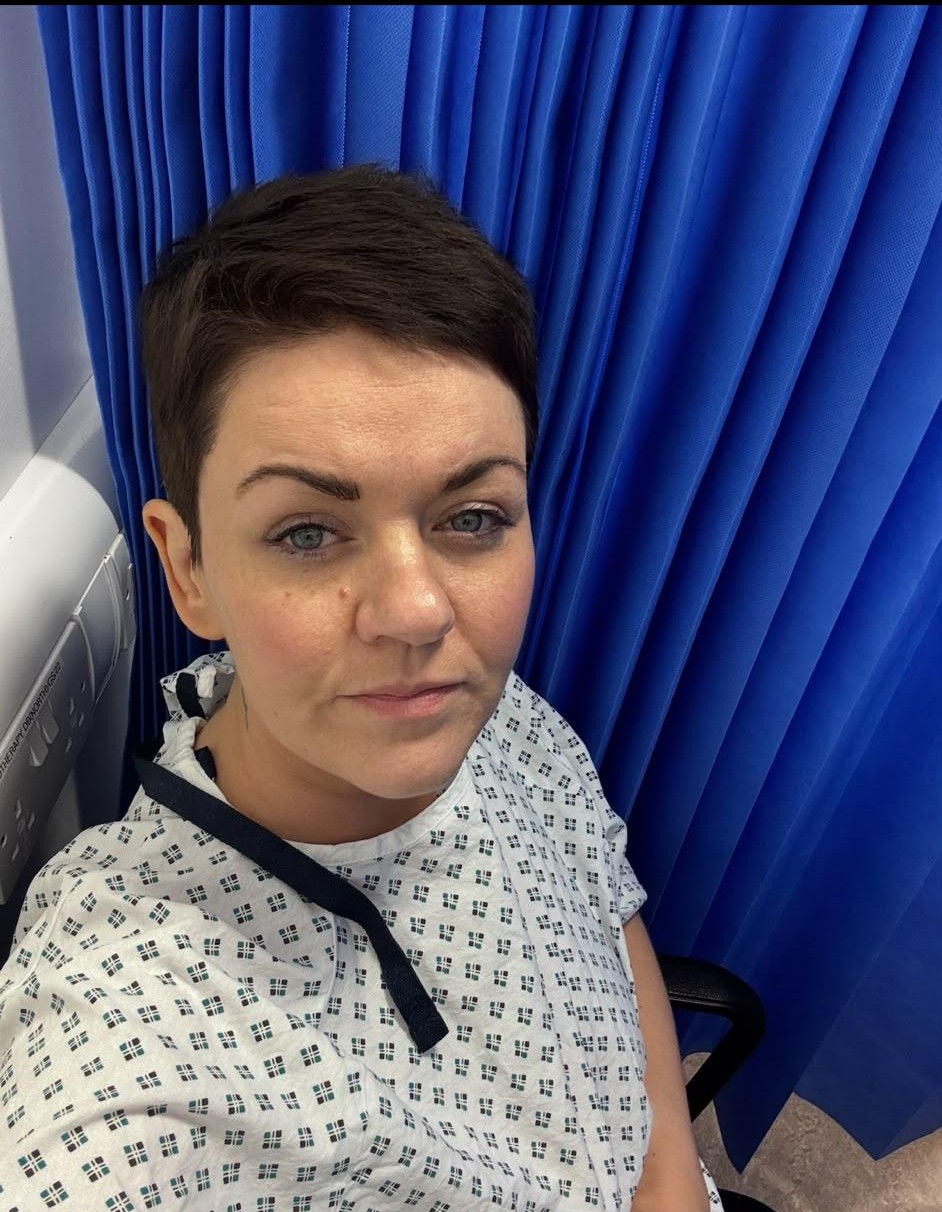
In terms of the type of expenses Aoife encountered, they were widespread. “It's the hospital fees, it's the oncology fees, the surgeon fees, it's the driving up and back to Dublin, and parking in the Mater is astronomical. It's constantly chipping away at your safety net, at your plans and hopes for the future.
“Going through cancer, you’re at such a vulnerable period, and it's really hard to make a decision. I couldn't decide what I wanted to have for dinner. Never mind how I was going to manage my finances to pay for this treatment and try keep life as normal as possible for my children.”
“I know the Irish Cancer Society has made progress on their ‘Right to be Forgotten Campaign’ and has worked on highlighting the cost impacts for cancer patients and their families. I fully support the calls for the financial burden of cancer to be eased for patients and their loved ones,”
“Nobody should just be by the shell of a human or a half of a person that they were. You don't have to live like that. It's a massive adjustment. It's a new body. It's a new life. It's a new mindset. It's a new financial situation. It's all of it. But you can make it a situation that you can still be okay.”