Alastair's Story
“Avail of all the supports and ask as many questions as you can. Staying positive and keeping active was my approach to staying well while living with cancer.”
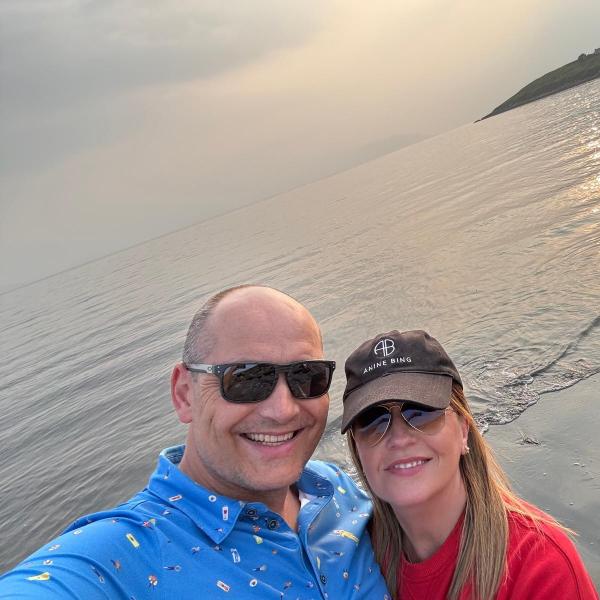
Alastair Dunne, 53, from Rochestown, Cork is a husband and the father to three boys.
When he was diagnosed with stage 4 prostate cancer in 2023, he was shocked and felt that telling his family was an emotional rollercoaster.
“My mother had recently passed away from breast cancer prior to my diagnosis, so my young sons’ only experience with cancer was that it resulted in death. One of my primary fears was ‘how do I communicate this to my young family?’ I received advice from the medical staff, which was to be honest and upfront. They told me that my kids will pick this up anyways, be straight and don’t sugarcoat it.”
Before his diagnosis, Alastair, a Supply Chain Strategy Lead for a pharmaceutical multi-national, maintained an active lifestyle with his family, coaching schoolboys’ football, golfing, open water swimming, gardening, and just being outdoors in general. “I would always be out and about doing something and keeping myself busy,” he says.
In early 2022, during a routine health and wellness check Alastair had a PSA test, and the reading was very high. This report should have been shared with his GP and employers Occupational Health function with the instruction to have his PSA retested as soon as possible. Unfortunately, the test result was missed by himself and not shared with GP or Occupational Health.
“That was my biggest frustration, there were warning signs that either I missed or weren’t highlighted at the time, which would later narrow my options around treatment.”
A few months later, in late 2022, he had a few symptoms, including difficulty passing urine and passing blood. “The minute that started happening, I immediately went to my GP, was referred to a urologist and went through the rigour of all the tests, and procedures.”
“I was diagnosed with stage 4 prostate cancer in March 2023. Unfortunately, it had spread beyond my prostate into the lymph nodes and therefore surgery was not a treatment option for me. I also required a PET (Positron Emission Tomography) scan to confirm it had not travelled outside the prostate capsule and into my bones, that was one of the most worrying and anxious times waiting to hear the results of the PET scan.
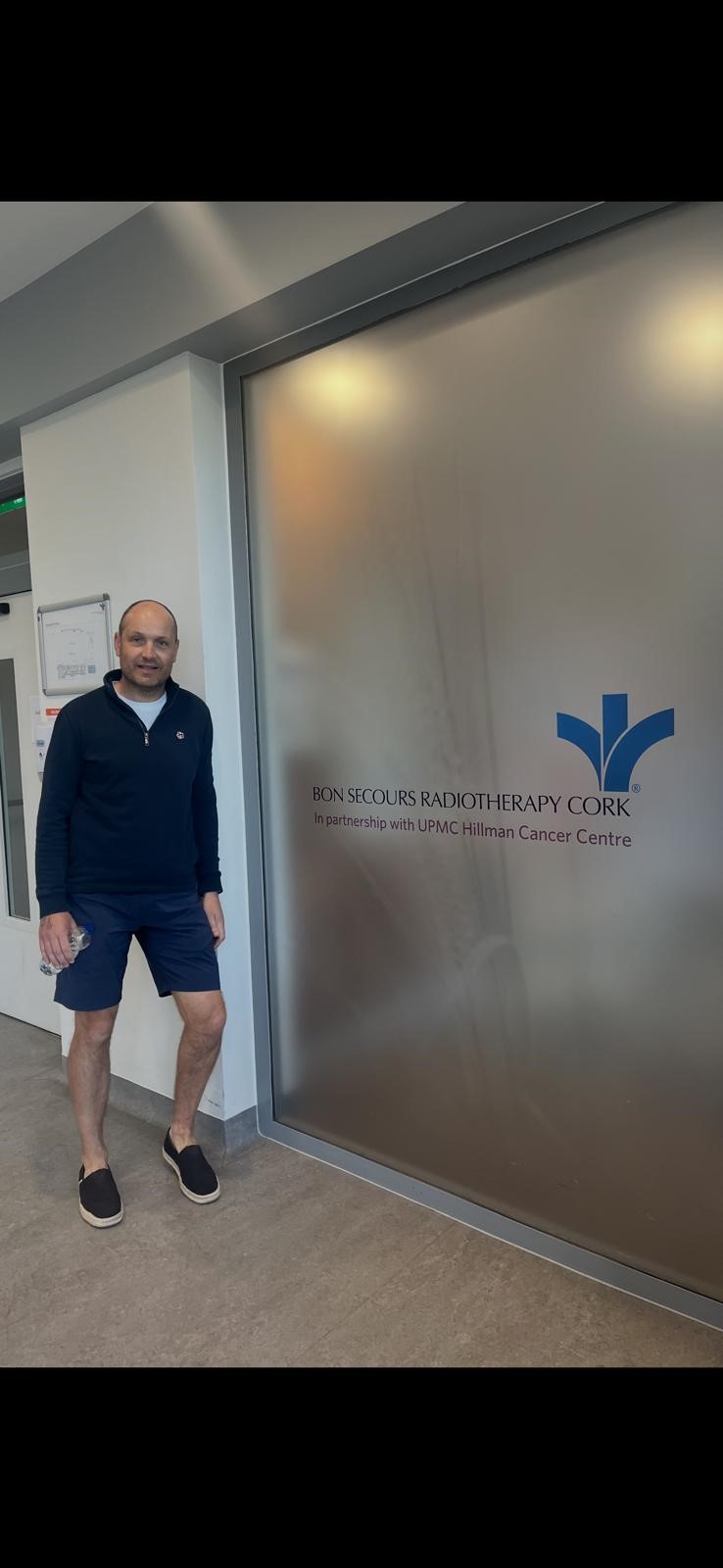
“Thankfully it had not gone beyond my prostate capsule, and I was able to start treatment, my treatment involved 30 rounds of radiation and a three-year programme of ADT (Androgen Deprivation Therapy). I was very fortunate that all my treatment was delivered by the world class medical staff and facilities within the Bon Secours Hospital in Cork.
“As with any cancer journey, there were good days and bad days. I just had to carefully manage my energy levels. My oncologist advised me to keep going until I crashed and then rest as much as you need.”
Alastair coped with his treatment by staying active through the gym, swimming, golfing, walking, and continuing to work throughout his treatment journey. One of his prouder moments was completing a 2-kilometre charity swim on the day of his last radiotherapy treatment.
“There were some really testing times during my treatment, out of the blue I suffered a detached retina in my left eye that required emergency surgery, resulting in a 30% loss of vision in that eye. Very shortly afterwards I suffered another detached retina in my right eye, thankfully after two emergency surgeries and a long, slow recovery, I have retained full vision in that eye.
“This was a really low point for me, and it was like ‘WOW – everything but the kitchen sink has been thrown at me’ and that these must be related to the cancer treatment, but it turns out that it was completely unrelated.”
He also stresses how important it is to have a really strong support network for those undergoing cancer treatment.
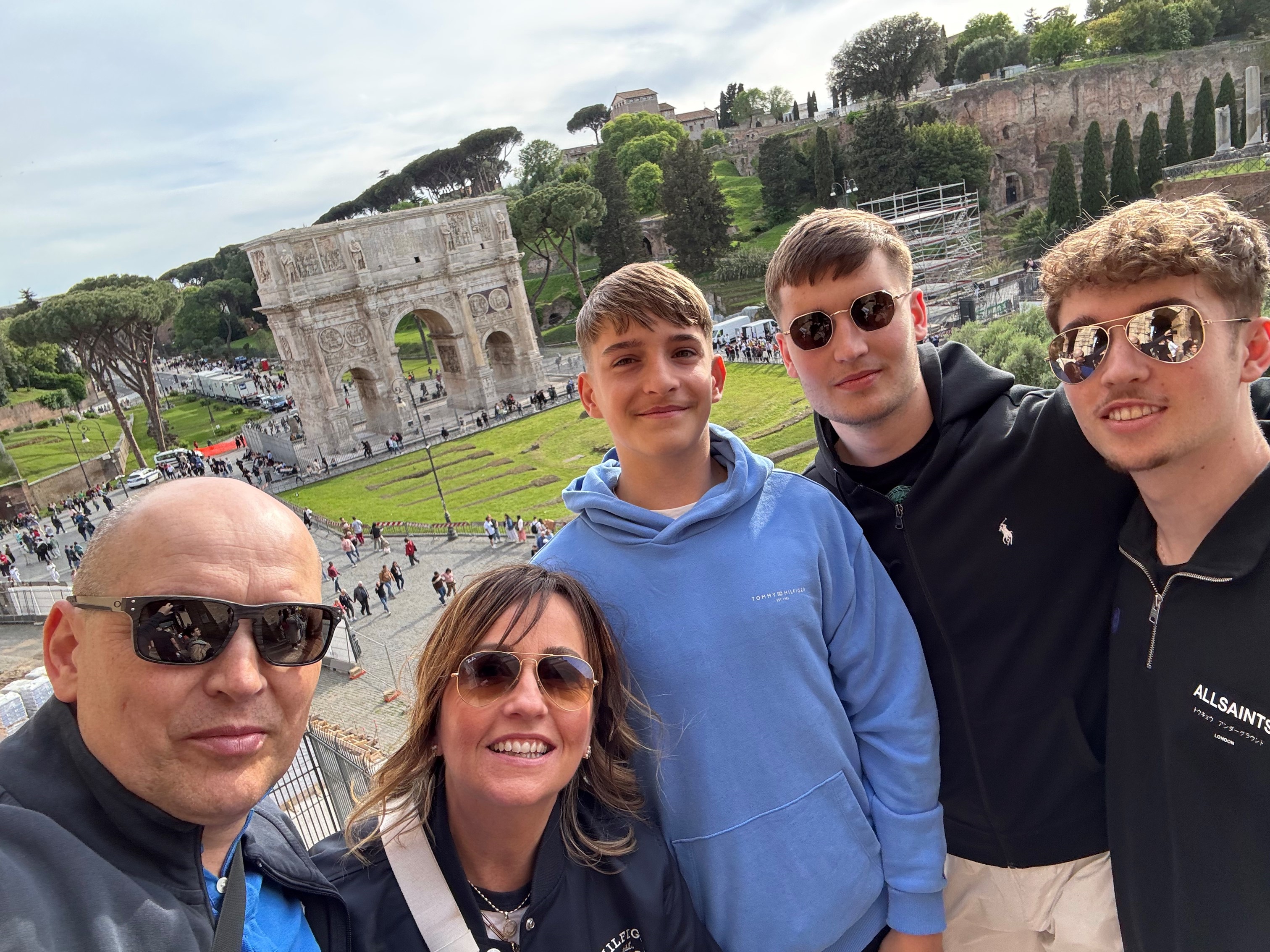
“I look back over the last number of years, and I am so grateful to my amazing wife Tara, she was there every step of the way pushing me on, lifting me up, staying positive and keeping the show on the road. We were also incredibly proud of how our three boys handled everything, despite being teenagers and facing something incredibly difficult, they showed such strength, maturity and resilience. They were an absolute credit to themselves, and we couldn’t have been prouder of how they supported their dad and each other throughout the journey. Our incredible friends, who did so much for my family, and sometimes it was the smallest of gestures that meant so much. The lads who would keep the routine, pick me up for a swim no matter how cold the weather was.”
Alastair received some really sound advice early into his diagnosis. “I was told there are two types of people. The first type are radiators, they are people who uplift you, surround you in positivity and make you feel love and warmth. The second type are what I call drains, they make the situation a more negative experience and tend to make it about themselves. So, surround yourself with radiators and block out the drains but not always easy to do!”
“It also helps to laugh through with some dark humour, but I’m not sure if that’s for everyone. My brother-in-law offered to help my wife find her new husband once I was gone!
“I know everybody’s journey is different, but my overwhelming thoughts are that we are lucky that cancer care in Ireland is world leading, I appreciate there are issues with getting into the system and early diagnosis but once you are in the system, I only have positive feedback for the care and treatment I received.”
“My advice to others who are starting out on their journey, be curious and ask lots of questions about your diagnosis and treatment. I'm a curious person so I was asking questions like: What's this therapy for, and what does it do? How will I react? How might my body react? I was educating myself throughout the whole process.”
Alastair’s treatment finished in March 2026. “Thankfully, I’m through it, in remission, and able to share a positive story,” he says.
“I hope what I’ve learned can help someone else in the future. Life is busy, and it’s easy to lose sight of what matters most. In many ways, a life-changing cancer diagnosis can reset your perspective and remind you of your real priorities: family, health, and the people who matter most.”