Molecular profiling

Molecular profiling means having tests that look at molecules in your tissue or blood to get more information about your cancer. 

What is molecular profiling?

Molecular profiling means having tests that look at molecules in your tissue or blood to get more information about your cancer. 

Next-generation sequencing (NGS) is the most common type of molecular profiling test. It looks at the DNA and RNA of cancer cells.

What are molecules?

Molecules are tiny particles, like a piece of DNA or a protein, that are too small to be seen, even with a microscope.


What are the benefits of molecular profiling?

These tests can:

  • Confirm your cancer diagnosis
  • Predict how quickly the cancer is likely to grow or spread
  • Help your doctor decide on treatment. Molecular profiling can help your doctor decide which treatments might help you most, like certain targeted therapies. It can also tell your doctor to avoid treatments that are not likely to work. 
  • Check if you are eligible for a clinical trial.

    Read more about targeted therapies

    Read more about clinical trials

Will I have molecular profiling?

If you have a suspected or a confirmed cancer diagnosis,  your doctor or cancer specialist may recommend molecular profiling tests. 

This will depend on many factors, including your type of cancer and whether it has spread. Which cancers are suitable for molecular profiling changes regularly as newer treatments become available. So it is always worth discussing with your doctor whether your tumour is suitable for testing.

Not every type of cancer is suitable for molecular profiling.

What kind of tests might I have?

There are different types of molecular profiling tests, which include the following:

NGS looks at the DNA and RNA sequences of cancer cells. This test can find a range of possible mutations in one test because it analyses many genes at once, rather than just one. 

BRCA1/2 or HRD testing is done using NGS. If you have ovarian, breast, prostate, or pancreatic cancer, this kind of test helps your doctor decide whether PARP inhibitors are a good treatment for you.

Read more about BRCA and cancer.

Checks for one specific gene mutation. This may be used when one known mutation affects treatment. 

For example, if you have lung cancer, this test could check if you have a mutation in the EGFR gene. This mutation means the cancer cells make too much EGFR protein, which causes them to grow. You might get a treatment that blocks that protein.

Uses antibodies to detect specific proteins in cancer cells. IHC shows how much of a protein is in a sample. 

About 1 in 5 breast cancers are HER2-positive. If an IHC test shows that your cancer has a high number of HER2 protein receptors, you might have targeted therapies. These drugs block the HER2 receptors and stop the HER2 protein from helping the cancer to grow. 

IHC is a type of test that is used for immunophenotyping a tumour. That means it checks what kinds of proteins or markers are on the surface of cancer cells. Read more about immunophenotyping tests

A FISH test looks for gene changes in cells. It uses fluorescent dyes that attach to parts of chromosomes. The dyes will glow (fluoresce) under ultraviolet light. 

A FISH test is useful when IHC is unclear or when confirming genetic changes 

Measures how well DNA repair is working. 

If you have a cancer with high MSI, immunotherapy treatment may work well for you. 

Do I have to pay for profiling, testing, or sequencing?

There is no charge if you are having tests done in the public healthcare system. If you are having tests done through a private hospital, you may have to pay, depending on your health insurance policy.

What happens after the tests?

When your test results come back, you will have an appointment with your consultant to talk about your treatment plan. 

Your treatment plan will be influenced by the results of your molecular profiling tests. This may involve targeted therapy if your test is a match for a treatment that is known to help. Not all genetic mutations have specific treatments available. If  this is the case with your tumour, then another therapy such as chemotherapy or radiotherapy may be the best option for you.

Occasionally molecular profiling turns up very rare or unusual mutations. These may be discussed amongst a group of experts, called a molecular tumour board, to decide on the best course of action. If this happens, it may take a little longer for you to get your results.

Is molecular profiling the same as genetic testing?

Molecular profiling means having tests to see what kind of cancer you have and what treatments will work best for you. Some of these tests look at genetic changes, or mutations in your DNA. Or they might look for proteins and other markers in your blood and tissue. 

Genetic testing focuses on inherited gene changes – changes that can be passed on in families. Some genetic changes increase the chance of developing cancer. If you have genetic testing, that means testing your DNA from a blood or saliva sample to check whether you have an inherited cause for cancer in your family. 

Both genetic testing and some types of molecular testing look at DNA. But these tests are done for different reasons and look for different things. Very occasionally molecular profiling done may discover a change that might indicate a family risk of cancer. If this does happen your doctor will discuss whether you want to have genetic testing. 

Read more about cancer and genetic testing 


We're here to help

Our range of free services are here for you

Transport Service
We provide transport and limited financial grants (Travel2Care) for those in need who are in cancer treatment.
Counselling
We fund professional one-to-one counselling for anyone affected by cancer remotely (over the phone/online) or in person in certain cancer support centres around the country.
Telephone Interpreting Service
Our Telephone Interpreting Service helps you to speak to our Cancer Nurses in your own language.

Talk to a Cancer Nurse

Support Line

Support Line

Support Line
Our Cancer Nurses offer confidential advice, support and information for anyone affected by cancer. Call or email supportline@irishcancer.ie. Video calls available. Mon-Fri: 9am-5pm
Our Daffodil Centres

Our Daffodil Centres

Our Daffodil Centres
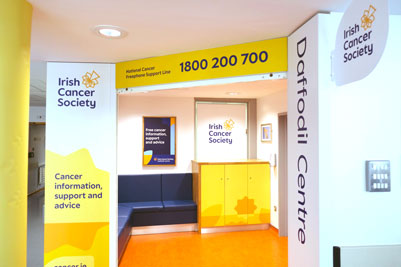
Our Daffodil Centres in 13 hospitals nationwide are staffed by Cancer Nurses and trained volunteers who provide face-to-face advice, support and information for anyone affected by cancer.