Addie's Bowel Cancer Story
“Bowel cancer is not just an older person’s diagnosis anymore, it also affects younger people, so be aware of any symptoms and go to your doctor. You know your own body, and you know when something’s wrong.”
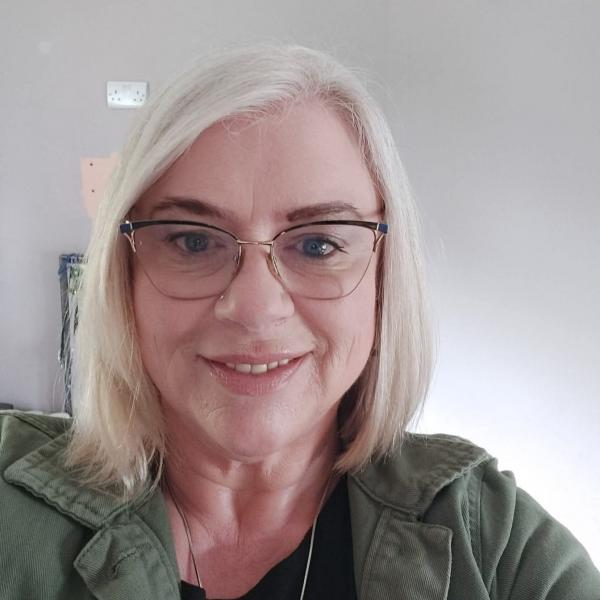
Addie Wall, 58, from Waterford started to experience some concerning symptoms in around October 2014.
“I was losing a lot of weight and I had terrible, throbbing pain in my back passage – it was like a pulsating sensation,” says mother-of-four Addie.
“I went to my GP in November. She told me it was probably haemorrhoids, so she gave me a cream. That didn’t do anything, so I went back in December, she gave me another cream, and again it didn’t do anything. I was in and out every month. They put me on steroids, but they didn’t help either.
“By March 2015, my pain had gotten worse. I decided to go back to my GP, without an appointment, and sit in the waiting room until I got seen. At this stage, I’d been passing out with the pain, so I passed out in the waiting room, and another GP there saw me.
“He immediately referred me for a colonoscopy and a scan. I got them done in two weeks.”
Shortly after her scan and colonoscopy, Addie received a call which unexpectedly revealed her diagnosis.
“I was driving home from work and then I got a call from a nurse in the hospital asking me how I was. I asked her why she was calling me, and she said she looked after people with cancer. I said, ‘Do I have cancer?’, and that’s how I found out.
“I went back to hospital for my full diagnosis. I was told I had late stage 3/early stage 4 cancer. I needed to start treatment straight away. I was told the cancer type I had was rare and inoperable. It had grown in my bowel canal. Because of where it was situated, it couldn’t be operated on.”
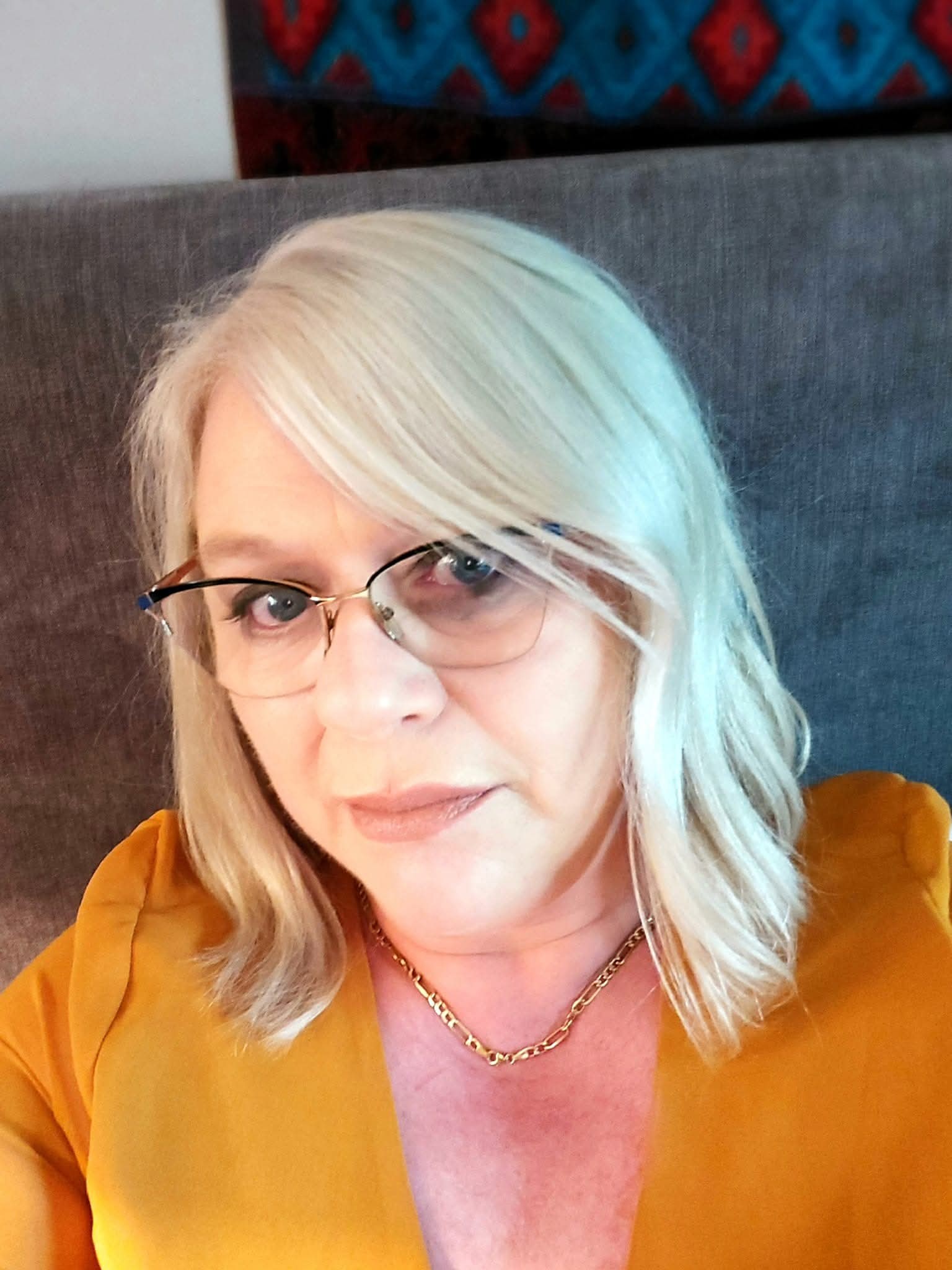
Addie’s combined treatment of chemotherapy and radiotherapy started immediately. While she tolerated the chemotherapy well, she struggled with the effects of her six-week course of radiotherapy.
“After 10 days of radiotherapy, I started to feel burning, which is common,” Addie recalls. “The pain was horrendous.”
Addie finished her treatment around July 2015. She had to wait several weeks before she could go for scans and a colonoscopy, as her bowel was inflamed.
“I went for the scan a few weeks later, and got my results on 1 September 2015,” says Addie.
“I was told that they could see that I was ulcerated, but they couldn’t see anything at the original site of the tumour."
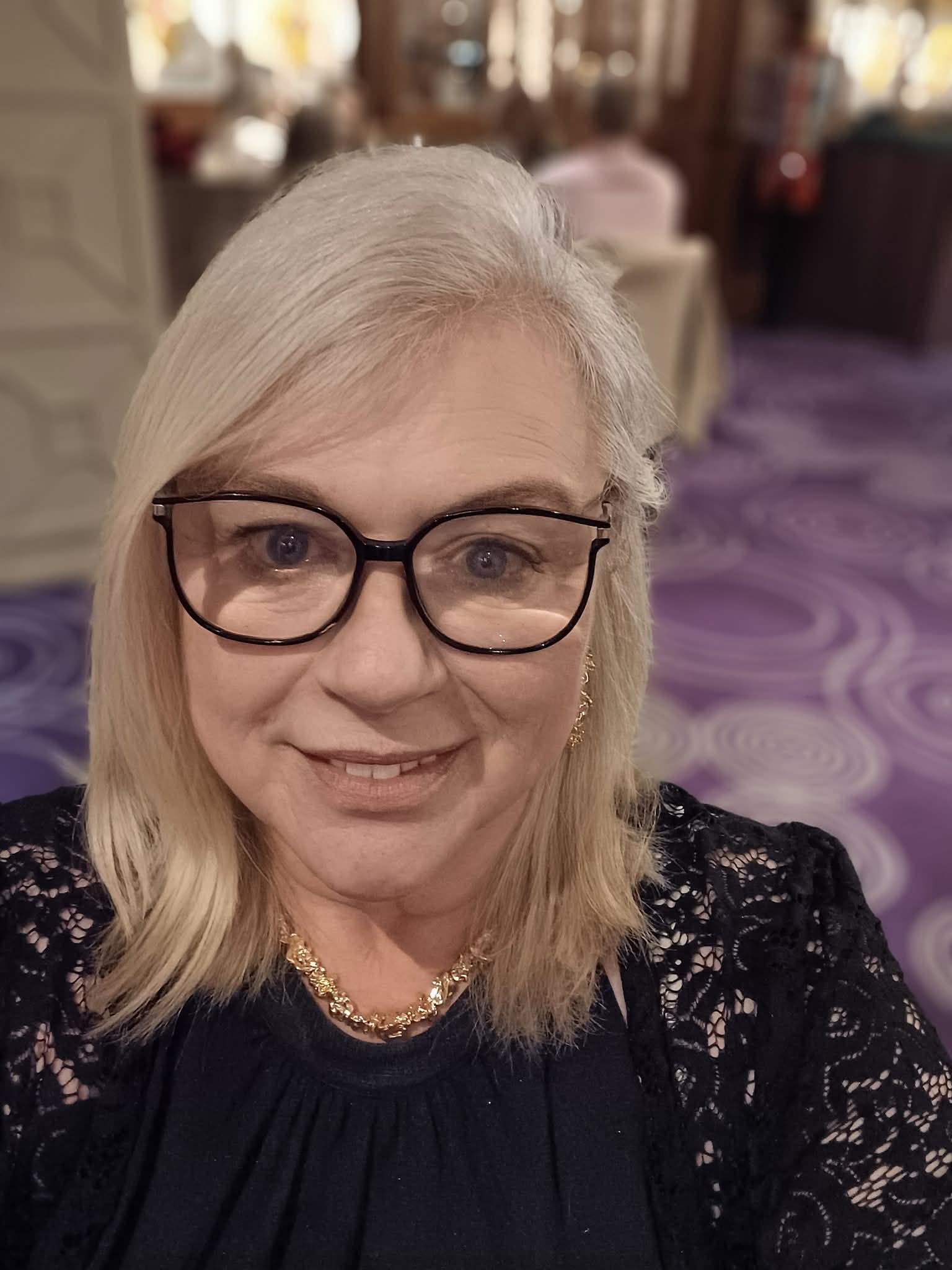
There was no cheering or anything when they said that. I think we were all just in shock. The doctor said there were no signs of cancer in the scan.”
Reflecting on her experience, Addie says there needs to be a greater understanding among the public of how cancer can affect people.
“Everyone tells you how well you look, and you feel guilty because you don’t feel well,” she explains. “People would say things like, ‘At least you’ve got your hair’ and ‘Look at you’, but under your clothes, you’re completely broken.”
Addie is also keen to highlight the need for support for the family carers of people with cancer and the isolation they can feel.
“My husband is now my part-time carer, but I found he wasn’t offered any support and it really affected him. I didn’t even think about how the carers and partners of people with cancer cope. It wasn't something we even thought of when all this was going on.
“Medical staff should be more mindful of family because as a patient you are in no fit state to even consider aftercare for yourself let alone your partner/husband. So it needs to be offered.
“Partners and carers can end up isolated, and people going through cancer get isolated too. Sometimes people cross the road when they see you, they don’t know what to say to you.”
Addie is sharing her story to encourage others to get symptoms of concern checked out, and to be more mindful of the experiences of people who are going through, or have gone through, cancer treatment.
As for her advice for others going through cancer treatment, Addie says: “I would definitely ask about aftercare and supports and, throughout it all, remember that no question is a silly question.
“It’s your body and your life – never be afraid to voice your concerns.”