Sinead's Bowel Cancer Story
“I really want to shine a light on the fact that younger people under 50 can and are getting bowel cancer.”
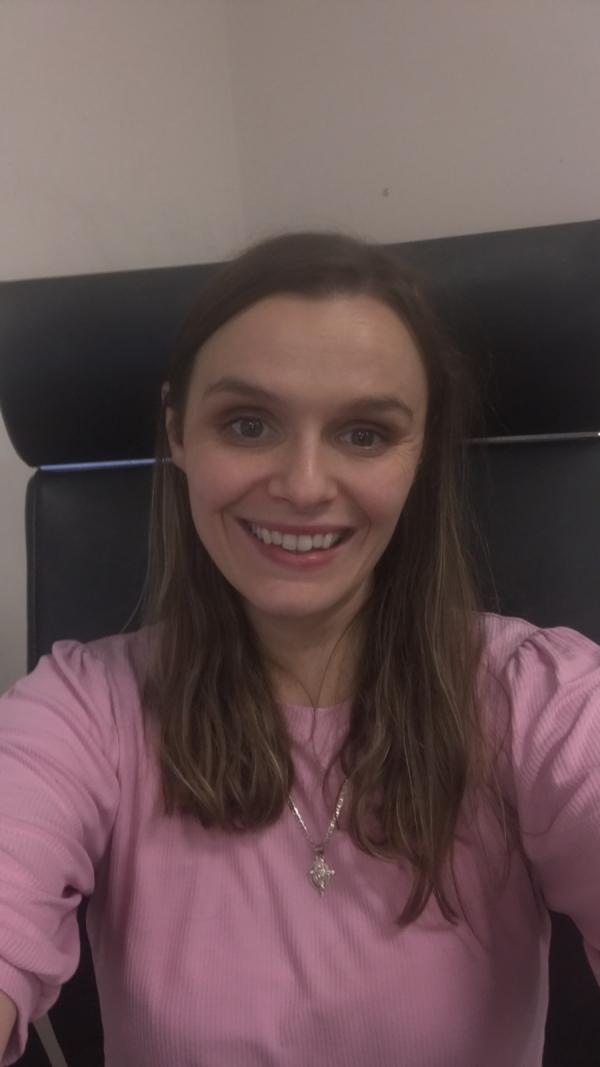
In October 2024, Sinead O’Reilly, a mother of two then aged 35 originally from Clondalkin and now living in Portlaoise went to her GP with stomach pain and a change in her toilet habits. “After I ate, I would get these stomach cramps and I also had a change in my toilet habits. As this went on, my GP made a referral for me to get a colonoscopy, which took place in February 2025.”
“Things happened very quickly from there. They found a tumour, but I needed further tests before they could confirm my diagnosis. I had a full CT and other scans and I was moved from Portlaoise to St. James’s. Unfortunately, my colon cancer was confirmed in early March. While this was very shocking news to come terms with, in some ways, my diagnosis was actually a relief. I’d been living with these symptoms, going to work, minding the boys and just trying to get on with life but now, I needed to stop. I needed to get well and take on help from family and friends.”
"I didn’t know it at the time, but I actually have Lynch Syndrome – a genetic condition passed on within families."
“For my treatment, I was told if further analysis of my tumour showed my cancer was not genetic, then I’d be straight in for surgery to remove the affected part of my colon. If it was genetic, I’d be fitted with a colostomy bag and need to undergo immunotherapy. In the end, it was genetic. I didn’t know it at the time, but I actually have Lynch Syndrome – a genetic condition passed on within families. An aunty of mine had bowel cancer aged 35 and there were different cancers in my biological family, but I never knew of this genetic condition.”
On St. Patrick’s Day’s morning, Sinead was in agony with stomach pain. “I almost collapsed it was so intense. My husband brought me to ED and it turned out I had an abscess on my ovary. My blood pressure had dropped to the floor. The tumour on my bowel had grown so big, it had actually been penetrated by my pelvis. So there was a small hole in my bowel and this caused infection. I was transferred up to James’s and it was only afterward when I was in recovery after a course of antibiotics and going through my chart with one of the doctor’s that he referred to my ‘sepsis’. I hadn’t heard that word while I was in Portlaoise, just infection. I think had I heard them say that, I’d have been terrified, so I’m glad I didn’t know and just got on with it.”
While in St. James’s Hospital, Sinead was supported by the Young Onset Programme at the Trinity St. James Cancer Institute, funded by the Irish Cancer Society. “For my treatment, I had a procedure end of March to be fitted with the stoma bag and my immunotherapy began about six weeks later. From the moment I came under the care of the oncology team in St. James’s, the Young Onset Programme was there to support me. The Survivorship support and the Sexual Health and Fertility supports, in particular were a great help to me. They were always at the end of the phone with any questions I had about treatment side effects and managing with early onset menopause.”
"My husband works shift work and is mostly on nights. My parents don’t drive and without the Transport Service, I would have been lost. That service was an absolute gift to me.”
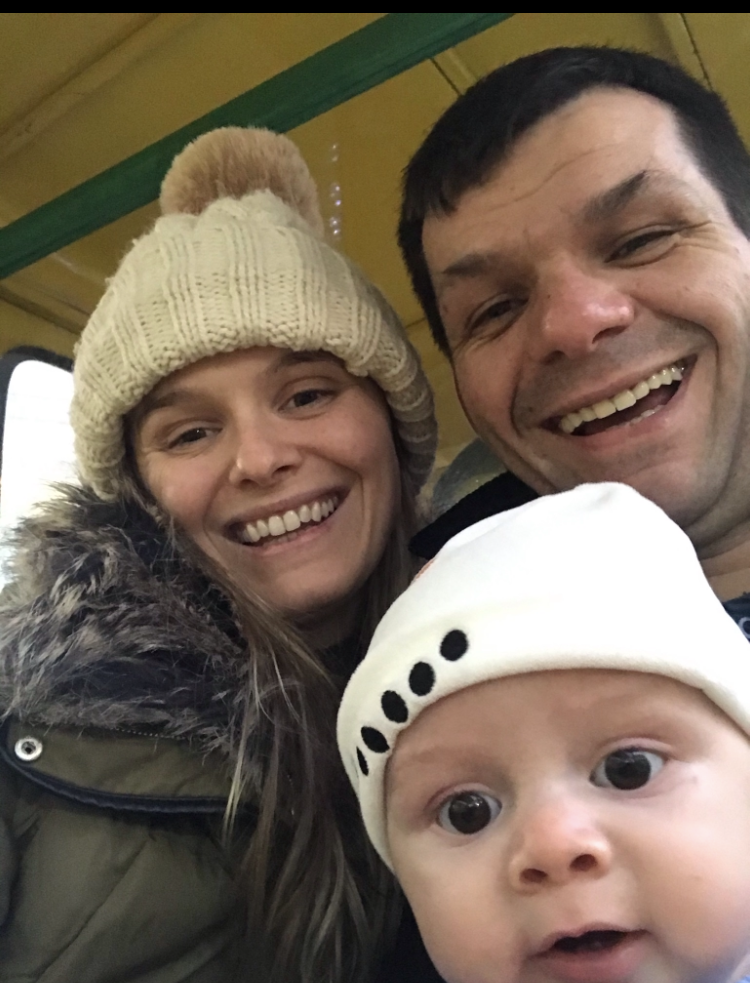
“They also referred me to the Irish Cancer Society’s Transport Service, which was a lifeline for me. My parents moved down to Portlaoise a year before my diagnosis. They were an incredible help with the two boys, aged 2 and 4 when I was diagnosed. My husband works shift work and is mostly on nights. My parents don’t drive and without the Transport Service, I would have been lost. That service was an absolute gift to me.”
Once Sinead came through her immunotherapy, she was then referred to the surgical team to remove whatever cancer was left. “In November, I was put under and ready for my bowel retraction surgery. I woke up and nothing had been done. Unfortunately, my bowel had stuck to my uterus. They couldn’t see my tumour and they couldn’t tell whether my cancer had spread from my bowel to my uterus. I needed to make the decision: do nothing and hope that the immunotherapy got all the cancer or go for the bowel retraction and full hysterectomy to do further analysis and check if all the cancer is gone.”
"In the end, I went for the surgery and they found no remaining cancer."
“In spite of everything I had been through, I think this was my lowest point during my diagnosis. I think it was the weight of the decision being on me. The doctors were brilliant throughout and they were guiding me along but this was the first time when they had to put the decision back on me. In the end, I went for the surgery and they found no remaining cancer. Some people I tell that to get really upset and say ‘oh no, you went through all that for nothing’.
I really don’t see it that way. With my Lynch Syndrome genetic condition, I am higher risk of cancer recurrence in other organs so I would have needed a hysterectomy by 40 anyway. And we could never know had I not gone through with the surgery that the immunotherapy removed 100% of the cancer. I could be sitting here now having not got the surgery and be worrying that my cancer was still there. I have my two boys and being here for the sons I have was ultimately more important than the chance of potential children I don’t have.”
Sinead is sharing her story to call on younger people to act when they notice any persistent health issues. “I really want to shine a light on the fact that younger people under 50 can and are getting bowel cancer. Screening doesn’t start until you’re in your late 50s. We need to mindful of any persistent changes in our bodies and go to the doctor if we spot something. Crucially, we also need more education and awareness among doctors that unfortunately younger people in their 30s and 40s are now getting bowel cancer in higher numbers. We need the symptoms of these patients to be taken seriously. I have had a brilliant experience from start to finish with my medical team. They have been amazing. But there is still that perception out there that bowel cancer is for older patients. If that used to be that case, it certainly isn’t anymore and we need that mindset to change.”
Through a five-year partnership, the Irish Cancer Society has funded the establishment of the Young Onset Programme at the Trinity St. James Cancer Institute. In recognition of the unique challenges cancer can present to those diagnosed under 50 years old, the programme supports the holistic needs of these patients focusing on social work, sexual health and fertility supports, and survivorship with a team of healthcare professionals employed to work directly with patients to support them and their families across these areas.