Cystoscopy
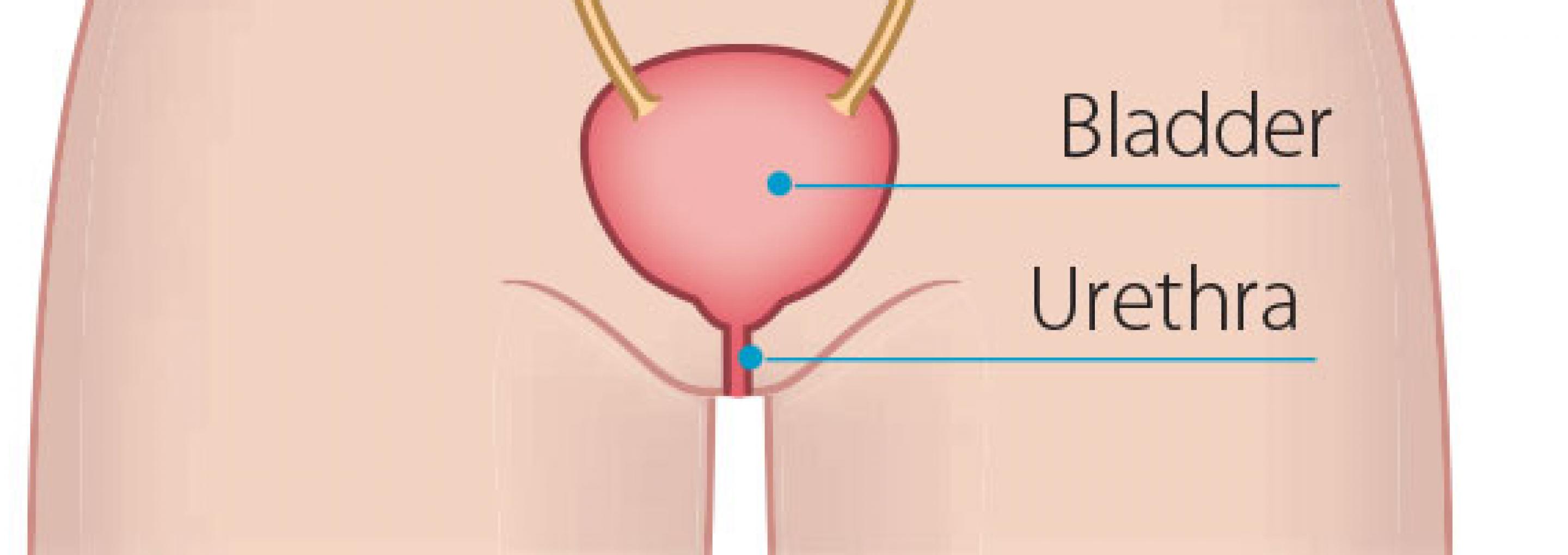
A procedure to look inside your bladder and urethra. It can be used to diagnose bladder problems, including bladder cancer.
What is a cystoscopy?
A cystoscopy is a procedure to look inside your bladder and urethra, using a thin tube and camera called a cystoscope. It can be used to diagnose bladder problems, including bladder cancer.
There are 2 main types of cystoscopy:
- Flexible cystoscopy – this is when a thin, flexible tube is used. You will usually be awake for this procedure.
- Rigid cystoscopy – this is when a straight tube that does not bend is used. You will either be given a general anaesthetic, which means you will be asleep for the procedure, or the lower half or your body will be numbed.
Before the test
You will normally get instructions from the hospital before your appointment. These will include advice on eating, drinking and what to do about medicines you may be taking.
You may be given a local anaesthetic gel to numb your urethra (this is the tube that takes urine from your bladder out of your body). Some people will be given a sedative injection before the test. Others will have a general anaesthetic (they will be asleep for the procedure).
During the test
Your surgeon will put the camera up through your urethra to look into your bladder. Instruments can also be passed through the cystoscope so that the surgeon can take a sample of tissue (biopsy).
How long does it take?
10-20 minutes
After the test
If you have a sedative or a general anaesthetic, you can go home once the sedation wears off or you have fully recovered following the general anaesthetic. However, you must have someone take you home as you are not allowed to drive for 24 hours.
Are there any risks /side-effects?
You may get some pain or a burning sensation when you pass urine for a day or 2 after the test. Your urine may also be slightly blood stained for a day or 2 afterwards. Drinking plenty of fluids will help to flush out your bladder.
Tell your doctor if the symptoms carry on, get worse or if you have symptoms of infection, such as a high temperature.
Cystoscopy video
CRUK have a helpful video on cystoscopy.
Related links



Talk to a Cancer Nurse

Support Line


Our Daffodil Centres