A short video about skin cancer, the signs and symptoms, types and treatments, and how to reduce your risk.
Skin cancer
Skin cancer is the most common type of cancer in Ireland. There are two types of skin cancer - melanoma and non-melanoma.
What is skin cancer?
Skin cancer is the most common cancer in Ireland, with over 11,000 new cases diagnosed every year. The National Cancer Registry of Ireland (NCRI) expects this number to double by 2040.
Skin cancer is a disease of skin cells. 9 out of every 10 cases are caused by UV rays from the sun or sunbeds. Overexposure to UV rays, which leads to tanning, redness or burning of the skin, causes damage to skin cells. While much of this damage is repaired some remains and can lead to skin cancer later in life.
Early detection is also vital. If spotted early up to 90% of cases are curable. In the case of melanoma skin cancer spotting it early can save your life. For this reason it is important to get to know your skin, check it every month for changes and speak to your doctor if you are worried.
You can watch our skin cancer video to find out more
What are the types of skin cancer?
The skin is the largest organ in the body and is made up of two layers:
- The epidermis is the outer layer
- The dermis is the inner layer
Skin cancers are generally named after the cells in the skin where they grow. There are two main groups of skin cancer:
Non-melanoma skin cancers
These are the most common types of skin cancer and include basal cell and squamous cell carcinomas. They tend to grow in areas of the body that have been exposed to the sun and are more common in older people.
Read more about non-melanoma skin cancer.
Melanoma skin cancer
Melanoma is quite rare but greater numbers of people are being diagnosed with it each year. It is also a disease that affects young people.
Melanoma is one of the most serious forms of skin cancer but if spotted early, it is very treatable. If not, it can spread to other parts of the body and cause serious medical issues.
Read more about melanoma.
Skin changes to look out for
Skin cancers do not look the same. They can be found anywhere on your skin, nails or on the soles of your feet. They can appear in a number of ways including any of the following:
- A small lump
- Flat red spot
- Firm red lump
- A lump or spot that is tender to touch
- An ulcer that will not heal
- A lump with a scaly or horny top
- Rough scaly patches
- A new or changing mole
Watch our short animation about skin health
Check your skin type
Our quiz can help you check your skin type. You'll learn how to best protect your skin, and what skin changes to look for.
Click the link below to take our skin quiz!
Publications about skin cancer

Talk to a Cancer Nurse

Support Line

Our Cancer Nurses offer confidential advice, support and information for anyone affected by cancer. Call or email supportline@irishcancer.ie. Video calls available. Mon-Fri: 9am-5pm

Our Daffodil Centres
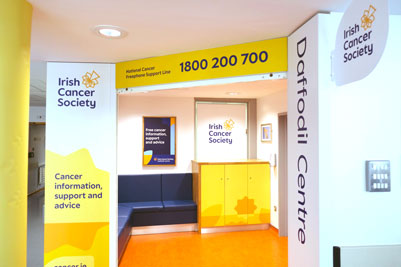
Our Daffodil Centres in 13 hospitals nationwide are staffed by Cancer Nurses and trained volunteers who provide face-to-face advice, support and information for anyone affected by cancer.
*The Irish Cancer Society uses the most up-to-date cancer statistics from the National Cancer Registry Ireland, available on www.ncri.ie