Radiotherapy uses high-energy rays to kill cancer cells. The aim of radiotherapy is to destroy the cancer cells with as little damage as possible to normal cells. With external beam radiotherapy, the radiation comes from machines which aim rays directly at your tumour or the tumour site.
External radiotherapy
With external beam radiotherapy, the radiation comes from machines which aim rays directly at your tumour or the tumour site.
About external radiotherapy
Planning external radiotherapy (CT simulation)
Radiotherapy must be carefully planned so that the highest dose is given to the tumour area and as little as possible to the nearby cells.
You will have at least 1 planning appointment (CT simulation appointment) at the hospital so that your medical team can work out the best dose for you and mark out the area to be treated.
Before starting treatment, tell your doctor about any medicines you are taking, including herbal remedies. They may advise you to stop taking certain medications or remedies during your course of radiotherapy. Tell them also if you have any allergies or sensitive skin.
A physical exam will be done to check the general state of your health. You may need to have some X-rays, scans and blood tests done as well.
You will have a CT scan is to pinpoint the area to be treated (treatment field) and decide on the position you will be in when you have your radiotherapy treatment.
It’s important that your position is comfortable, as you will need to stay in the same position every time you have radiotherapy. Tell the radiation therapist if you are not comfortable so they can help you and organise any pain medication or oxygen support that will allow you to lie in a comfortable position during treatment.
You will lie still on a flat surface. Laser lights will be used to make sure you’re lying in a straight position on the bed. After the scan, the radiation therapist may mark your skin so that the machine can be lined up using these marks as a guide when you are having your treatment. CT planning can last for up to 30 minutes.
You need to stay as still as possible during the planning and treatment sessions. Every effort will be made to make you as comfortable as possible.
Foam pads, special vacuum bags and immobilisation devices may be used to help you stay in the treatment position. Sometimes the mould room technician or radiation therapist can make special devices or supports for you. For example, a body mould, mask or mouth bite.
The radiation therapist will mark the treatment field with one or more dots of semi-permanent ink or with tiny tattoo dots to make sure that you are in the same position each time for treatment.
The semi-permanent ink marks will fade away over time, but they’re needed until your treatment is finished, so don’t use soap or scrub these marks.
The tattoos are permanent, so you may need to sign a consent form before you have them. The dots are very tiny, though, and not very obvious. They can be removed later with a laser.
Radiation can harm a growing baby. You will have a
pregnancy test before treatment if there’s any chance you could be pregnant.
The radiation therapists will explain if there are any extra instructions for your particular treatment. For example, if you need to drink water or clear your bowels before treatment, if you need to hold your breath during treatment or if you need to fast (not eat for a time) before treatment.
It is natural to feel anxious about radiotherapy. If you have any questions or concerns, no matter how small, talk to your radiation therapist.
Getting external radiotherapy
On the day of your first treatment, you will come to the radiotherapy unit. It is best to wear loose and comfortable clothes that are easy to take off and put on. Some hospitals provide gowns.
The radiation therapists who deliver the treatment will explain to you what happens and what to expect – all the sights, sounds and likely side-effects.
It is natural to feel anxious about radiotherapy. If you have any questions or concerns, no matter how small, talk to your radiation therapist.
The radiation therapists will help you onto the treatment table and will adjust both the table and the machine to the exact positions needed. You will be put in the same position as for your CT planning scan. Because you need to keep still during treatment, they will make you as comfortable as possible.
The radiation therapist will leave the room to set up the machine. The lights will be turned down and laser lights will be used to line up the beam with the marks on your skin that show where the radiation will be aimed.
The radiation machines are operated from outside the room in the control area. The radiation therapists will be watching you on a closed-circuit television. They can hear and see you and can talk to you through an intercom. If you need them, just tell them. They can stop the machine and come in to you. If you’re wearing a mask, just wave your hand.
You need to stay as still as possible during the treatment so that radiation only reaches the treatment areas and so that the same area is treated each time. Relax as much as you can and just breathe normally.
You may feel anxious about the machines. They are large and most of them make a buzzing noise as they move around your body aiming at the treatment area from different angles. To help you relax, some treatment rooms have music.
The machine will not touch you. Some people worry that they will be completely enclosed by the machine, but this does not happen.
You will be alone in the treatment room but the radiation therapists can see how, hear you and speak to you. If you need anything, just speak or raise your hand.
How long does radiotherapy treatment take?
From start to finish, the treatment session can take up to 20-60 minutes, depending on where is being treated and allowing time for getting on and off the treatment table and for the machine to be set up. This routine will go on each weekday until your course of treatment is finished. You will usually go home after each day’s treatment.
Does radiotherapy hurt?
The radiation itself does not cause pain during your treatment – it is just like having an X-ray. You might feel a bit uncomfortable having to stay still, though.
Your treating team can help with painkillers if you need them.
How long will I have treatment for?
The total dose of radiation and the number of treatments you need will depend on:
• The size, location and type of cancer
• Your general health
• Other treatments you are having, such as chemotherapy, surgery or targeted therapies
The dose and length of treatment can vary between patients, even those with the same type of cancer. Your doctor will explain your personal schedule before you start treatment.
Each treatment is called a fraction. For example, you might have 5 fractions per week.
Most people have external beam radiotherapy once a day, Monday to Friday, for several weeks, but it depends on your type of cancer and your individual treatment plan.
In some cases, you might only need a few sessions, or even just one, depending on your diagnosis and the aim of the treatment.
Your radiation therapist will give you information about who to
contact if you have any problems at home between sessions.
Types of external radiotherapy
Techniques in radiotherapy are developing all the time. There are a number of different types of radiotherapy. These include conformal radiotherapy, stereotactic radiotherapy, total body irradiation (TBI), and proton beam therapy (PBT).

We provide transport and limited financial grants (Travel2Care) for those in need who are in cancer treatment.

If you or someone you know has been affected by cancer, we can support you. We can send you a free cancer Support Pack filled with useful information and resources.

Our free patient education group sessions and video resources provide information to guide you through and beyond cancer treatment.
Talk to a Cancer Nurse

Support Line

Our Cancer Nurses offer confidential advice, support and information for anyone affected by cancer. Call or email supportline@irishcancer.ie. Video calls available. Mon-Fri: 9am-5pm

Our Daffodil Centres
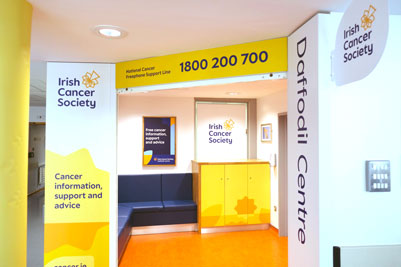
Our Daffodil Centres in 13 hospitals nationwide are staffed by Cancer Nurses and trained volunteers who provide face-to-face advice, support and information for anyone affected by cancer.