Chemotherapy
Chemotherapy is the use of drugs to kill cancer cells.
What is chemotherapy?
Chemotherapy uses drugs to kill cancer cells. Chemotherapy is used to:
- Help cure some cancers
- Shrink a cancer before surgery, to make it easier to remove
- Kill any cancer cells that remain after surgery
- Help radiotherapy to work better
- Help stop cancer from spreading, slow its growth, or destroy cancer cells that have spread to other parts of your body
- Treat cancer that has come back after treatment
How does chemotherapy work?
Chemotherapy drugs affect how a cancer cell divides and grows. Chemotherapy damages genes inside the cancer cell, preventing them from growing. Chemotherapy affects healthy cells too, but cancer cells are more sensitive to chemotherapy because they divide more frequently.
Healthy cells usually repair the damage caused by chemotherapy but cancer cells cannot and so they eventually die.
Before you begin chemotherapy
- Ask about possible side-effects.
- Check if you need to do anything to prepare for treatment. For example, getting dental work done or having any recommended.
- Join our chemotherapy education programmes for people who are due to begin chemotherapy. Details below.
Drugs used in chemotherapy
There are many types of chemotherapy drugs that can be given individually or in combination.
These combinations used by your doctor are often known by a word made up from the first letters of the drug names. For example the combination of cyclophosphamide, epirubicin and fluorouracil is called 'CEF'.
If you know the name of your chemotherapy drug, visit the Health Products Regulatory Authority’s website where you will find more information about:
- What the drug is
- How it is given
- Possible side-effects
How is chemotherapy given?
Chemotherapy is usually given in a course of treatments. A treatment course often takes between 3 to 6 months, but it can be more or less than that.
A course is made up of cycles. A cycle is the day or days of your treatment, followed by a rest period, when you have no treatment and your body is recovering. Your cancer doctor will explain the number of cycles you need to treat the cancer. It will depend on your type of cancer and the drug or drugs you are receiving.
Usually you will not need to stay in hospital overnight if you’re having chemotherapy, but for some treatments you will need to stay in hospital.
Chemotherapy is given in different ways, depending on the cancer type and the drugs being used. It may be given to you through:
- A drip (intravenous infusion) into the bloodstream through a vein – drugs are diluted in a large bag of liquid and go in slowly over several hours.
- An injection into the bloodstream (usually through a vein). The drugs are injected into a drip by a nurse. It can last from a few minutes to 20 minutes.
- Tablets or capsules taken by mouth (oral therapies). Read more about oral therapies
You may have a port or line (special tubes) fitted to give you your cancer drugs.
- By injection into the fluid around the spine and brain (intrathecal chemotherapy)
- Directly into an organ, such as the liver
- Directly into a body cavity, e.g., the bladder (intracavity chemotherapy)
- Applied as a cream to the skin (topical chemotherapy)
- By injection into a muscle (intramuscular chemotherapy)
- Under the skin (subcutaneous chemotherapy)
Chemoradiation
Taking certain chemotherapy drugs can make the cancer cells more sensitive to radiation (radiosensitisers). This helps the radiotherapy to work better. Having chemotherapy and radiotherapy together is called chemoradiation.
Side-effects
Different chemotherapy drugs can cause different side-effects. Your doctor and specialist nurse will talk to you about the drugs you’ll be having and possible side-effects.
Always tell your doctor or nurse about any side-effects you have. Your doctor can give you drugs to help control some side-effects. After your treatment is over, most side-effects start to improve.
You may find it helpful to keep a record of your side-effects. This can help you talk to your doctors and nurses and find the best way to manage them.
Read more about chemotherapy side-effects.
Patient Education videos
Our chemotherapy programme is for patients who are due to begin chemotherapy treatment shortly. In addition to our video resources, our cancer nurses deliver workshops online and face to face in our Daffodil Centres.
To join a workshop, email us at patienteducation@irishcancer.ie
Watch the full series of 3 videos covering what to expect in your treatment plan, side-effects and supports available to you.
If you have any questions about what you’ve seen, our Support Line cancer nurses can help on 1800 200 700.
Booklets and publications

Chemotherapy safety at home
When you have chemotherapy, small amounts of chemicals from the chemotherapy medicine can be found in your body fluids, such as pee, saliva, vomit and semen or vaginal fluid.
The risk is small, but taking some simple safety steps can prevent other people being exposed to your cancer medication.
- Sit down when you use the toilet, even if you usually stand.
- Close the toilet lid before flushing to avoid splash back.
- Wash your hands with soap and water when you are finished.
- If you have bladder or bowel incontinence, use an incontinence sheet/sanitary pad on your bed/mattress or cushion to catch any leaks and wash them following the laundry guidelines below.
- If you are having any type of sex, you and your partner should use a barrier method like condoms as a safeguard to protect your partner from being exposed to the chemotherapy medicine that may be in your vagina or semen fluids.
- Chemotherapy can harm an unborn baby. Talk to your doctor or nurse about contraception to prevent pregnancy during treatment.
Avoid open-mouth kissing for up to 7 days after your treatment. Your saliva may contain chemicals from your chemotherapy medication.
- Wash soiled clothing items on their own straight away in your washing machine. Wash on the longest cycle with hot water and detergent.
- If it is not possible to wash straight away, place items in a leakproof plastic bag and wash them as soon as possible.
- Vomit in the toilet bowl if you can or use a plastic bag.
- Thoroughly clean the toilet and the surrounding area with soap and water.
- Dispose of the plastic bag in a general rubbish bin.
- Wash hands with soap and water.
- Dispose of any waste in your general rubbish bin.
- Wash your hands thoroughly with soap and water afterwards.
- If you bleed after a cut or have a nosebleed, apply pressure until it stops.
- Use paper towels to soak up any spills.
- Use a disposable cloth and warm soapy water to wash down the affected surface until visibly clean. Then disinfect with antibacterial spray and dry the area with paper towel.
- Put the used cleaning materials into a plastic bag and dispose of in your general rubbish bin.
- If you experience any heavy bleeding or you are worried about losing a lot of blood after a cut, contact the ‘SOS Hotline’ or go to your nearest A&E.

We provide transport and limited financial grants (Travel2Care) for those in need who are in cancer treatment.
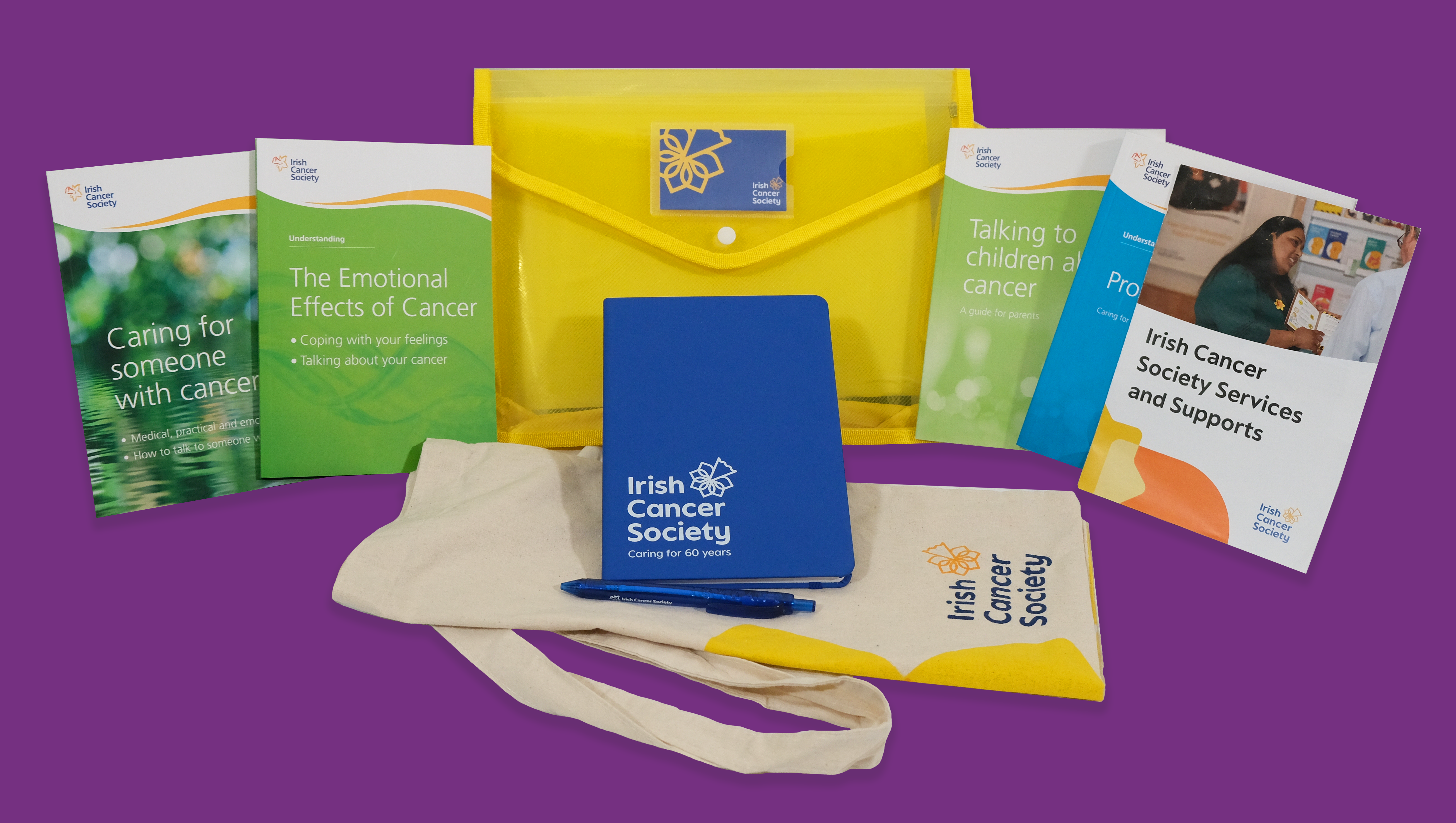
If you or someone you know has been affected by cancer, we can support you. We can send you a free cancer Support Pack filled with useful information and resources.

Our free patient education group sessions and video resources provide information to guide you through and beyond cancer treatment.
Talk to a Cancer Nurse

Support Line
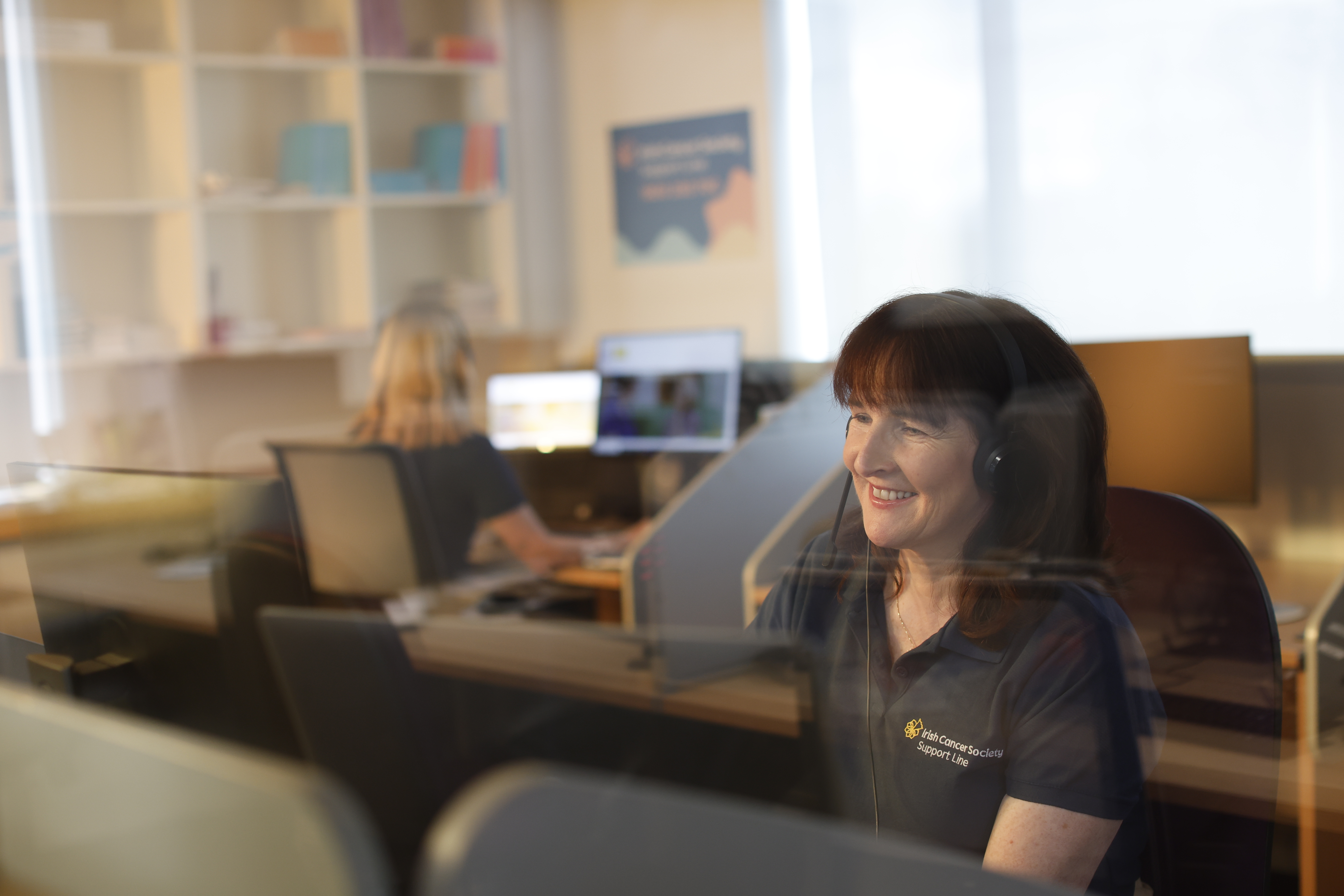
Our Cancer Nurses offer confidential advice, support and information for anyone affected by cancer. Call or email supportline@irishcancer.ie. Video calls available. Mon-Fri: 9am-5pm

Our Daffodil Centres
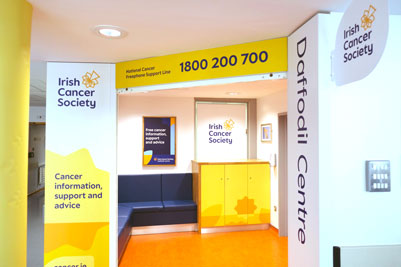
Our Daffodil Centres in 13 hospitals nationwide are staffed by Cancer Nurses and trained volunteers who provide face-to-face advice, support and information for anyone affected by cancer.