- Melanoma is a type of skin cancer.
- Melanoma occurs in the cells that make melanin, called melanocytes.
- Melanoma begins when healthy melanocytes change and grow out of control. It usually starts on the surface of the skin, either as a new mole in normal looking skin or within an existing mole.
- Most melanomas are new moles. About 1 in 3 arise from pre-existing moles.
- If not caught early, melanoma can spread.
- If melanoma is diagnosed and treated early, there is a very
good chance it will not recur (come back).
Melanoma
About 1,420 people are diagnosed with melanoma skin cancer each year in Ireland.*

Signs and symptoms
Learn about the signs and symptoms of melanoma skin cancer. You are more likely to survive cancer if you find it at an earlier stage.

Treatment
There are a number of different treatments available for melanoma skin cancer. Your medical team will explain the best treatment options for you.
What is melanoma?
Types of melanoma
There are different types of melanoma. The most common types are superficial spreading melanoma and nodular melanoma.
This is the most common type. It grows along the surface of your skin, often on your legs, chest or back. It may grow on skin or within a mole that has suddenly changed.
This is the second most common type. It grows quite quickly down into the deeper layers of your skin. It may occur in normal skin that is not exposed to the sun very often. It has a raised area on the skin and is usually brown or black in colour.
This is found in older people and often on the face. It begins as a small, brown freckle or stain and gradually increases in size. It can grow slowly over many years.
This is found on the palms of your hands, soles of your feet or around your toenails. It is more common in dark-skinned people.
Amelanotic melanoma describes a melanoma that is skin coloured or is slightly red / pink. Amelanotic means without melanin, which is a dark-coloured pigment. Amelanotic melanomas are rare. They are treated in the same way as other melanomas.
In rare cases, melanoma may develop in other parts of your body. For example, your eye, mouth, under your finger nails or toe nails, or in your lungs or bowel. Ask your consultant or call our Support Line on 1800 200 700 for more information if you have one of these rarer types of melanoma.
Watch our skin cancer video to find out more about skin cancer
A short video about skin cancer, the signs and symptoms, types and treatments, and how to reduce your risk.
About your skin
The skin is the outer covering of your body. The skin has 2 main layers:
The epidermis (outer layer)
The outer layer is called the epidermis and has cells called melanocytes at its base. Melanocytes make a pigment called melanin, which gives your skin its colour and protects your skin against damage from the ultraviolet (UV) rays in sunlight.
Melanoma skin cancer affects the melanocytes.
The dermis (inner, deeper layer)
The inner or deeper layer of your skin is the dermis. It contains blood and lymph vessels, hair follicles and glands.
What increases my risk of melanoma?
Everyone is at some risk for melanoma, but increased risk depends on:
- Exposure to UV light: Exposure to ultraviolet (UV) radiation from the sun’s rays (even on cool or cloudy days) or tanning lamps and sunbeds increases the risk of melanoma.
- Sunbeds: People who have used a sunbed have a 20% increased risk of melanoma. Starting to use them at a young age increases the risk even more.
- Skin type and eye colouring: People with fair skin with fair or red hair and blue, green or grey eyes are more at risk.
- Moles: Having a large number of moles or moles which look unusual.
- Age: Risk of developing melanoma increases with age.
- Family history of melanoma or skin cancer: Your risk increases if you have a family member with skin cancer. Remember though melanoma is not infectious and cannot be passed on to others.
- Weakened immune system: For example, after an organ transplant, when taking medicines that suppress your immune system or with illnesses such as HIV/AIDs.
- Genetic skin disorders: Your risk is greater if you have a genetic condition that makes your skin more sensitive to sunlight, such as xeroderma pigmentosum.
Reducing your risk of melanoma
Reducing your risk of melanoma
The most important things you can do to reduce your risk of melanoma are:
- Protect your skin from UV rays from the sun.
- Don’t use sunbeds.
- Check your skin regularly for any unusual changes.
Medical content updated from our 'Understanding melanoma' booklet (2025), reviewed by Dr Sinead Field, Consultant Dermatologist, Dr. Jason Hynes, Dermatology Registrar, Shirley Baker, Oncology Advanced Nurse Practitioner, Evelyn Power Candidate Advanced Nurse Practitioner in Skin Cancer, Aileen Emery, Daffodil Centre Nurse.
Publications about melanoma skin cancer
Talk to a Cancer Nurse

Support Line

Our Cancer Nurses offer confidential advice, support and information for anyone affected by cancer. Call or email supportline@irishcancer.ie. Video calls available. Mon-Fri: 9am-5pm

Our Daffodil Centres
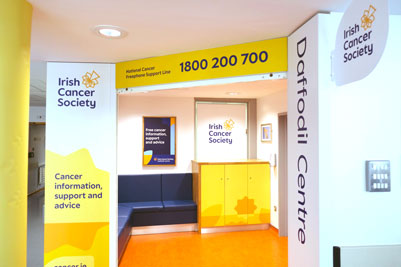
Our Daffodil Centres in 13 hospitals nationwide are staffed by Cancer Nurses and trained volunteers who provide face-to-face advice, support and information for anyone affected by cancer.
*The Irish Cancer Society uses the most up-to-date cancer statistics from the National Cancer Registry Ireland, available on www.ncri.ie