Endoscopic ultrasound scan (EUS)
This test is used to take a closer look at your upper GI tract, such as your oesophagus (food pipe) and stomach.
What is an EUS?
An endoscopic ultrasound (EUS) combines endoscopy and ultrasound to provide images of the food pipe (oesophagus), stomach and nearby organs and tissues.
Your doctor will use a thin, flexible tube called an endoscope. The tube has a light and an ultrasound probe at its tip.
Before the test
Tell your doctor if you are taking any medications. Your doctor will tell you if you need to stop taking any of the medications before the EUS.
You will have to fast for a number of hours before the test. This will be explained to you beforehand by the hospital team.
During the test
An EUS is usually done under local anaesthetic. The local anaesthetic will be sprayed onto the back of your throat. You may have a sedative injection to help you relax.
You will lie on your left side for the test. Once your throat is numb, your doctor will gently pass a thin, flexible tube (endoscope) through your mouth and into your stomach.
The ultrasound probe uses sound waves to produce a picture of the stomach and nearby organs, so that your doctor can see anything unusual.
Samples of tissue (biopsies) can also be taken.
You might feel a little discomfort as the tube is inserted, but the sedative should help.
How long does it take?
About 20-30 minutes.
After the test
- You won’t be able to eat or drink for a while after the test, until the local anaesthetic has worn off
- You may feel drowsy and sleepy or you may not remember much about having the test, if you were sedated.
- Once the sedation wears off (about an hour), you can go home. Make sure you arrange for someone to take you home as you’re not allowed to drive for 24 hours after a sedative.
- You might have a sore throat for a couple of days but this will soon clear up. If not, contact your doctor at the hospital.
- If you had a general anaesthetic (you were asleep for the procedure), you may be able to go home the same day or you may need to stay in hospital overnight.
Endoscopy video
CRUK has a helpful video on endoscopy.


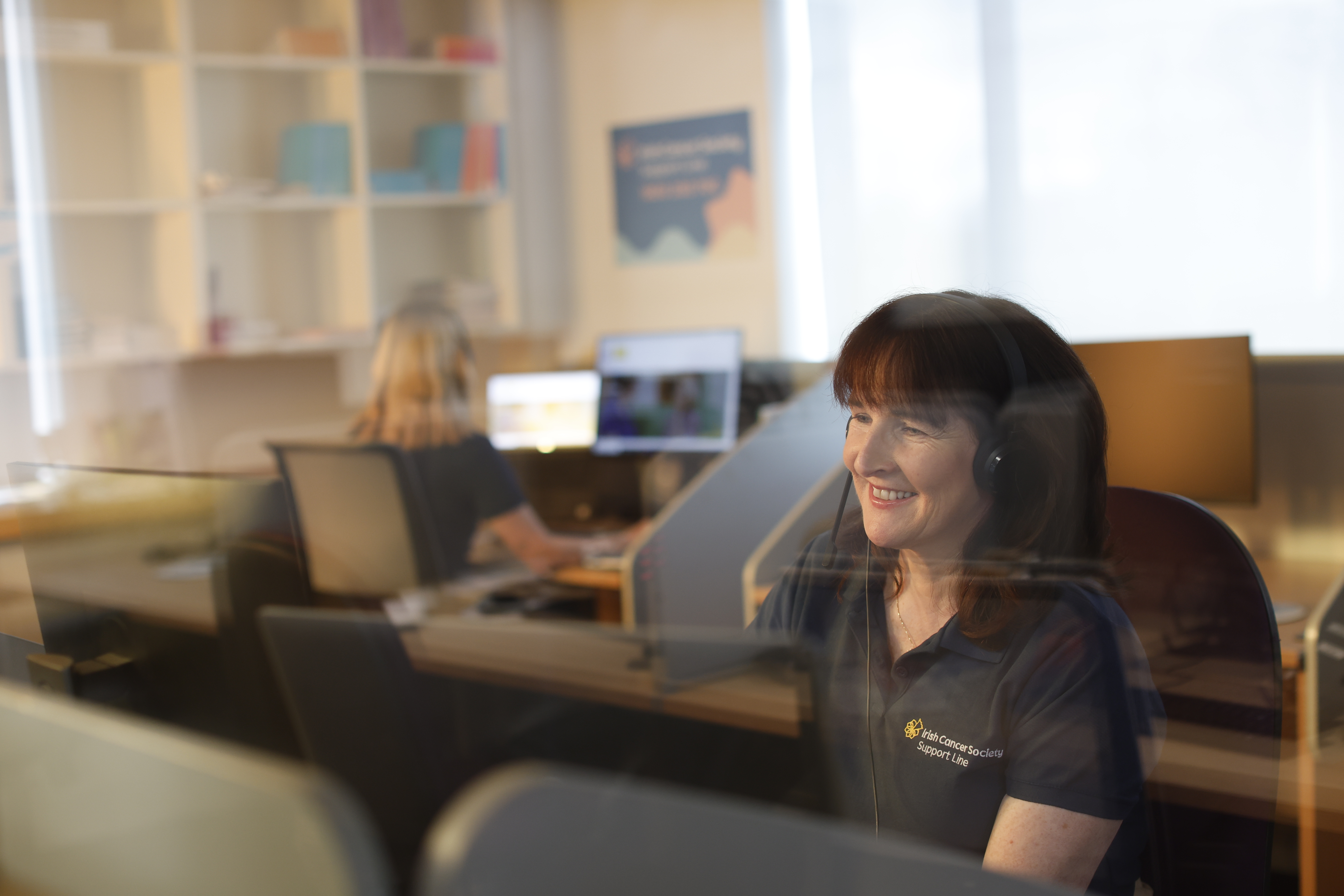
Talk to a Cancer Nurse

Support Line

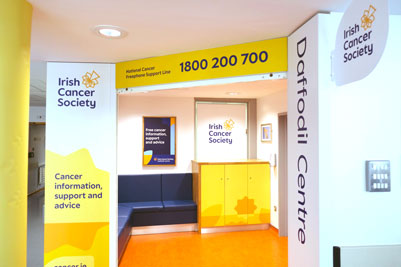
Our Daffodil Centres