Bowel (colorectal) cancer
Signs and symptoms
Symptoms of bowel cancer
Not everyone will get every symptom, or get symptoms in any particular order. However, if you notice any of these changes, always get them checked by your doctor (GP).
- Changes in your poo for no reason that last longer than 3 weeks, such as having constipation, diarrhoea or both
- The feeling of not emptying your bowel completely after a bowel movement
- Needing to poo more or less often than usual
- Blood in your poo, which may look red or black
- Bleeding from your bottom
- Tummy pain
- Feeling a lump anywhere in your tummy
- Bloating
- Losing weight for no reason
- Feeling very tired for no reason
- Breathlessness
These symptoms can be caused by conditions other than cancer, but it's important to listen to your body and get any changes checked.
Sometimes bowel cancer may cause a blockage. In this case, you will feel bloated or constipated or you may vomit. You are also likely to having gripping pains in your abdomen. If you have these symptoms you should go to your doctor as soon as possible.
Can I be screened for bowel cancer?
Testing for bowel cancer when you have no symptoms is called screening.
BowelScreen is the national bowel screening programme. BowelScreen delivers a free home test kit to people aged 59 to 70 every 2 years. You send back a very small sample of your poo. The sample is tested for traces of blood. If there is blood in the sample it doesn’t mean that you have cancer, but you may be advised to have more tests.
If cancer is found early, it can be treated and greatly improve your chances of survival.
We have more information on bowel cancer screening.
Does BowelScreen have the right contact information for you?
Does BowelScreen have the right contact information for you?
If you are aged 59-70 and have not yet done bowel screening, check the BowelScreen register to make sure your contact information is correct.
Contact BowelScreen at Freephone 1800 45 45 55 or
Continue reading about bowel cancer


Talk to a Cancer Nurse

Support Line

Our Cancer Nurses offer confidential advice, support and information for anyone affected by cancer. Call or email supportline@irishcancer.ie. Video calls available. Mon-Fri: 9am-5pm

Our Daffodil Centres
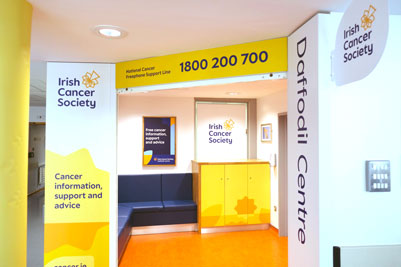
Our Daffodil Centres in 13 hospitals nationwide are staffed by Cancer Nurses and trained volunteers who provide face-to-face advice, support and information for anyone affected by cancer.