Symptoms and diagnosis of prostate cancer

On this page:
No symptoms
Often prostate cancer grows slowly and doesn’t cause any symptoms for a long time, if at all.
Prostate urinary symptoms
Prostate cancer usually only causes symptoms when it has grown large enough to disturb your bladder or press on the tube that drains urine. These symptoms are called prostate urinary symptoms:
- Passing urine more often, especially at night
- Trouble starting or stopping the flow
- A slow flow of urine
- Pain when passing urine
Less common symptoms
- Blood in the urine or semen
- Feeling of not emptying your bladder fully
If the cancer has spread you may have other symptoms, such as bone pain. Read about symptoms of metastatic prostate cancer.

All these symptoms can be caused by conditions other than cancer, but it’s important to go to the GP and get any unusual changes checked out.
Other conditions that can cause urinary symptoms
- Benign prostatic hyperplasia (BPH)
BPH is when the prostate gland grows larger. BPH is common in middle-aged and elderly men because the prostate gland often gets bigger as you get older. BPH is not cancerous but it may cause prostate urinary symptoms. - Prostatitis
Prostatitis means that the prostate gland has become inflamed. It can be caused by an infection in the prostate gland. It is not a form of prostate cancer. Symptoms can include pain in your testicles, pain when passing urine or an uncomfortable feeling when sitting down.
PSA tests and screening
Testing for cancer when you have no symptoms is called screening. There is no national screening programme in Ireland, as there’s little evidence that screening would reduce deaths from prostate cancer. It also could mean men having unnecessary treatment for very slow-growing prostate cancer, which could cause side-effects that affect their lives more than the cancer would.
If you’re worried…
Talk to your GP about:
- Your risk of prostate cancer – for example, if you have close family members with prostate cancer
- The pros and cons of prostate cancer screening
- What the tests involve
- The decisions you might have to make if your PSA was raised
- How these decisions might affect your life. For example, if you had treatment, how might side-effects affect you?
Should I use a home PSA test kit?
Prostate problems are best diagnosed by your GP, who can take your medical history and carry out a physical examination, as well as doing the PSA test.
By attending your GP you can also discuss prostate cancer risk factors and talk about any concerns you may have about the test and its results when they are available.
Remember - your PSA level can be raised for other reasons; it doesn’t mean you have prostate cancer. It’s also possible to have cancer and a normal PSA level. Read more about understanding PSA test results.
Diagnosing prostate cancer
Your family doctor (GP) will talk to you about your symptoms. He or she may do some tests. For example:
Digital rectal examination (DRE)
Inserting a gloved finger into your back passage to see if your prostate feels normal. It can be a little uncomfortable but it doesn’t take long.
PSA blood test
Checking the level of the prostate-specific antigen (PSA) protein in your blood.
Raised PSA can be a sign of prostate cancer or of a less serious condition, such as a urinary infection or a prostate infection. We have more information to help you understand PSA test results.
If you’re due to have a PSA test don’t ejaculate or exercise heavily for 48 hours beforehand. You probably won’t be able to have the test if you have a urinary tract infection or you’ve had a prostate biopsy in the previous 6 weeks. Talk to your doctor about this.

Raised PSA doesn’t mean you have cancer; 2 out of 3 men with a raised PSA who go on to have a prostate biopsy do not have prostate cancer.
Tests at the hospital
Your GP will refer you to hospital if they think you need more tests. You may have tests at a Rapid Access Prostate Clinic. These are special clinics set up to reduce waiting times for prostate cancer testing. Find out more about Rapid Access Prostate Clinics.
Tests you might have include:
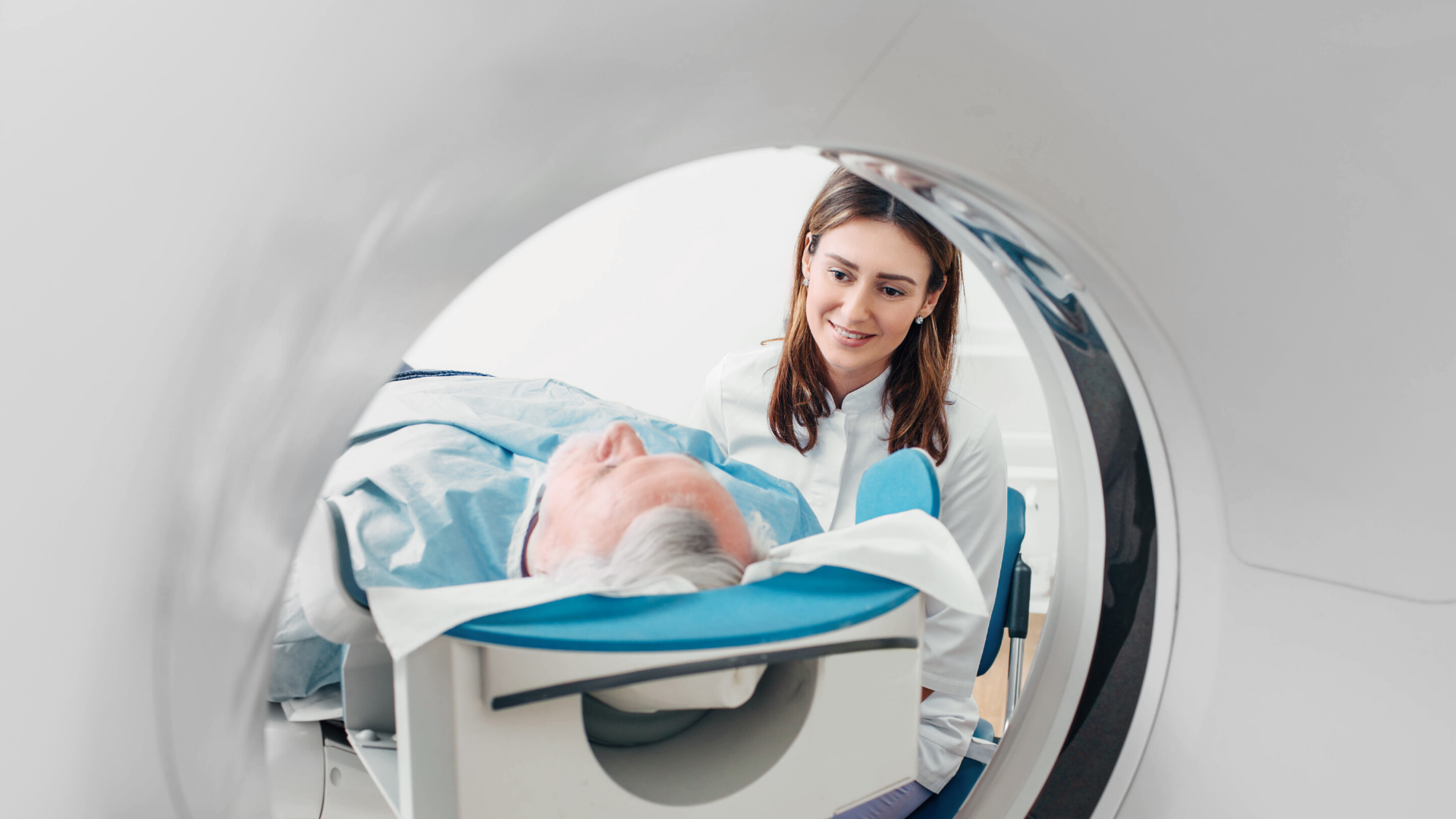
- Mp-MRI (multi parametric magnetic resonance imaging)
This is a type of MRI scan that creates more detailed pictures of your prostate than a standard MRI. It may be done before you have a biopsy to help your doctors decide where to take samples of cells from. Biopsy
A biopsy is using a needle to take small samples of prostate tissue. These samples are examined by a pathologist to see how abnormal the cells are. There are 2 ways to do a biopsy: Transperineal biopsy and trans-rectal ultrasound (TRUS) guided biopsy. Most biopsies are transperineal biopsies.
- Prostate biopsy (transperineal needle biopsy)
The needle goes through the skin between the testicles and the back passage (perineum). The biopsy is guided by an ultrasounds probe, which is put into your back passage - Trans-rectal ultrasound (TRUS) biopsy
An ultrasound probe is put into your back passage. It uses sound waves to produce pictures of your prostate. A biopsy can be taken during this test. - Template biopsy
A template biopsy takes more samples than a TRUS biopsy. It is done through the skin between your testicles and back passage (perineum). You doctor may recommend this test if your biopsy results show no sign of cancer but your doctor is still suspicious.
A urologist is a doctor who specialises in treating prostate, bladder and kidney problems.
Read more

Understanding PSA test results
Tests after prostate cancer diagnosis

Getting prostate biopsy results
For more information
Phone
1800 200 700
