Symptoms and diagnosis of uterine (womb) cancer

On this page:
Symptoms of uterine (womb) cancer
- Bleeding after the menopause
- Bleeding between periods
- Heavier periods than normal
- Abnormal vaginal discharge that may have an odour and be dark pink or blood stained
- Pain in your lower abdomen or back of legs
- Discomfort or pain during sex
These symptoms can also be caused by conditions other than cancer, but it’s important to go to the GP and get any unusual changes checked out.
If you’re worried about cancer, it’s important to give your GP as much information as possible about your symptoms: how they feel, when they happen, how long they have been going on for. Tell your doctor you’re worried about cancer, so they can put your mind at rest. Read more about talking to doctors.
Can I be screened for uterine (womb) cancer?
Testing for uterine (womb) cancer when you have no symptoms is called screening. There is no national uterine cancer screening programme in Ireland at present. If you are concerned about uterine cancer, talk to your GP.
You may have an increased risk of uterine cancer if your family has a genetic history of Lynch Syndrome. In this case, your doctor may advise you to have screening tests from your mid-30s. For example, vaginal ultrasound scans, hysteroscopies and physical examinations.
Diagnosing uterine (womb) cancer
Your family doctor (GP) will talk to you about your symptoms. Your GP will refer you to hospital if they think you need more tests.
Tests at the hospital
Transvaginal ultrasound: A small metal device called a probe is gently put into your vagina. It uses sound waves to build up a picture of the tissues in your womb. This test is not painful but may be a little uncomfortable.
Hysteroscopy: A thin, flexible tube with a light at the end (a hysteroscope) is passed through your vagina and into your uterus. This allows your doctor to look inside your uterus and take tissue samples or a biopsy. You may be given a local anaesthetic for this test.
Biopsy: Your doctor can take small amounts of tissue samples from your uterus during the hysteroscopy. These are called biopsies. Biopsies are sent to a laboratory and looked at under a microscope to find out if cancer cells are present.
Dilatation and curettage (D&C): Here the doctor gently opens your cervix and entrance to the uterus and takes samples of tissue from the inner lining of your uterus. This is done with an instrument shaped like a spoon called a curette. The samples are then sent to the laboratory to be examined. This test is done under general anaesthetic.

A gynaecologist is a doctor who specialises in treating problems with women’s reproductive systems, eg vagina, vulva, uterus and ovaries.
Read more

What are the types of uterine (womb) cancer?
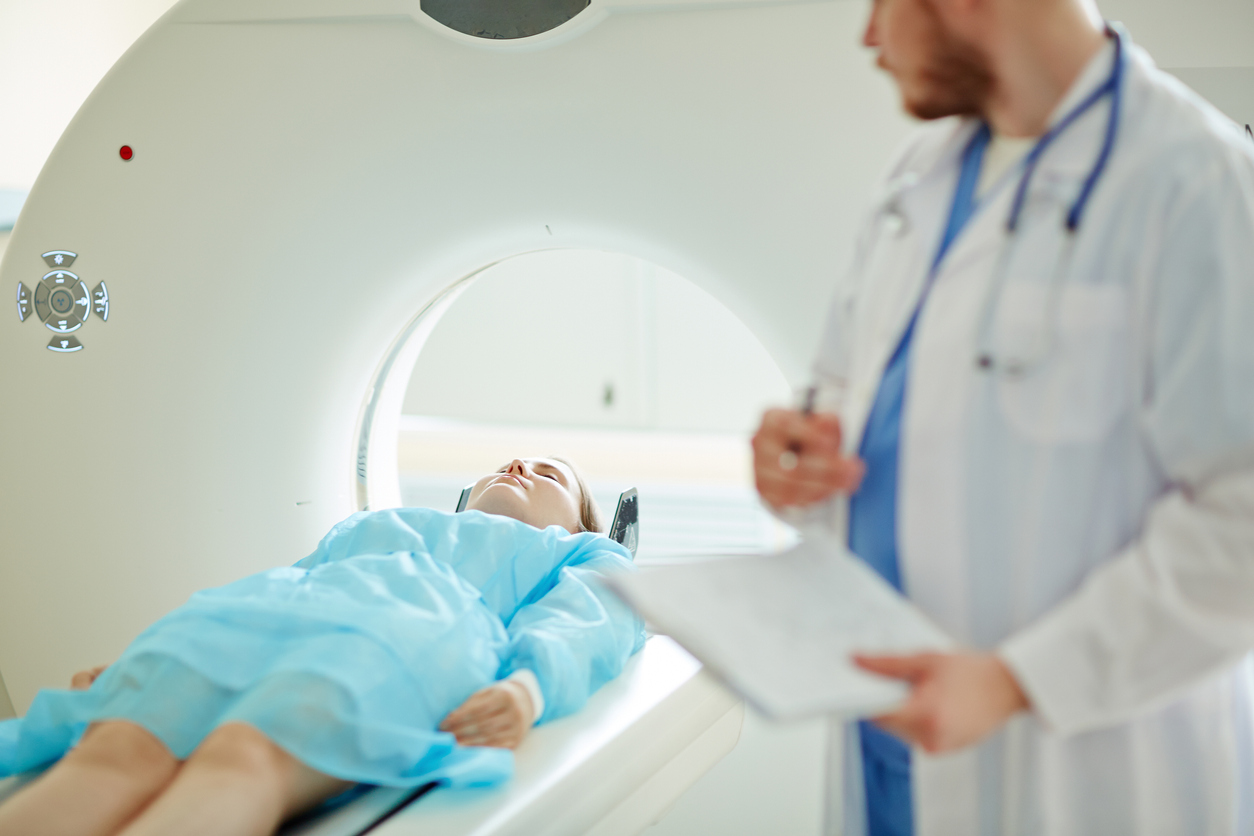
Tests after being diagnosed with uterine (womb) cancer

Coping with a cancer diagnosis
For more information
Phone
1800 200 700
