Smoking in Ireland

The stats
Based on Irish Cancer Society research on smoking and attitudes to lung cancer:
- 2 out of 5 people in Ireland said they have never smoked - this rises to over half of 18-24 year-olds.
- 64 out of 100 smokers smoke every day.
- 92 out of 100 smokers know that smoking causes lung cancer.
- 41 out of 100 smokers know that lung cancer is the biggest cancer killer.
- 31 out of 100 smokers are unconcerned about being diagnosed with lung cancer.
- Over 7 in 10 smokers have never spoken with a doctor or pharmacist about their lung health.
- 1 in 10 smokers don't think there is much a doctor can do for their lung health.
- There are certain things that smokers said would stop them from going to their doctor about their lung health:
- 1 in 3 smokers said they would be worried about what they would be told.
- 1 in 5 smokers don't want a lecture on giving up smoking.
- 1 in 5 smokers said a visit to their doctor is too expensive.
- 21 out of 100 people don't think their symptoms are serious enough to go to the doctor.
Infographic: Smoking in Ireland
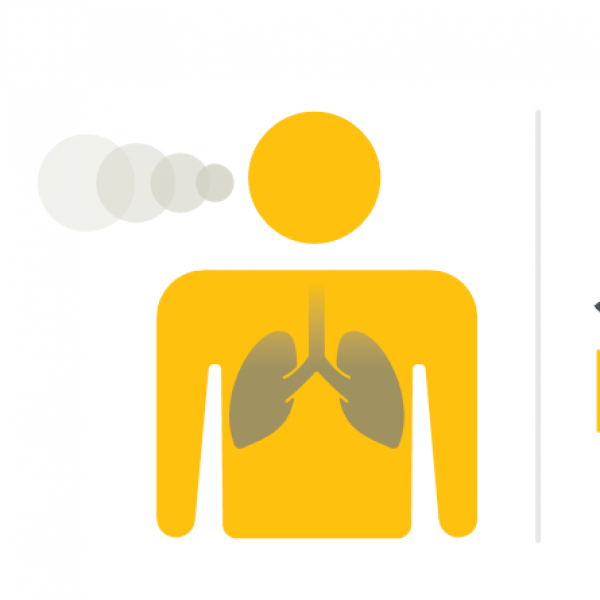
Smoking in Ireland infographic
pdf
780.06KB

For information and support on how to quit smoking, call the HSE Quit Team on Freefone 1800 201 203 or visit Quit.ie
Read more
Read more


Irish Cancer Society position on e-cigarettes
Irish Cancer Society statement on e-cigarettes and vaping and health concerns that go along with it.

How you can quit smoking
Information about how you can quit smoking and find support.
For more information
Phone
1800 200 700
