A short video about skin cancer, the signs and symptoms, types and treatments, and how to reduce your risk.
Non-melanoma skin cancer
Non-melanoma skin cancer is the most common cancer in Ireland. Around 10,000 people are diagnosed with it each year.*

Signs and symptoms
Learn about the signs and symptoms of non-melanoma skin cancer. You are more likely to survive cancer if you find it at an earlier stage.

Treatment
There are a number of different treatments available for non-melanoma skin cancer. Your medical team will explain the best treatment options for you.
What is non-melanoma skin cancer?
Non-melanoma skin cancer is the uncontrolled growth of abnormal skin cells.
It tends to develop on the outer layer of the skin that is exposed to the sun. Skin cancer can usually be treated easily by removing the area of abnormal skin. It rarely spreads to other parts of the body.
Non-melanoma skin cancer is the most common cancer in Ireland. Around 10,000* people are diagnosed with it each year.
You can watch our skin cancer video to find out more
About your skin
The skin is the outer covering of your body. The skin has two main layers:
- The outer layer (epidermis)
- The inner or deeper layer (dermis)
The outer layer has three types of cells:
- Flat, scaly cells called squamous cells.
- Rounder cells called basal cells, found below the squamous cells.
- Cells that give skin its colour (melanocytes). These are in between the basal cells.
Non-melanoma skin cancer affects the squamous cells and basal cells.
Melanoma skin cancer affects the melanocytes.
The deepest layer called the dermis has blood and lymph vessels, hair roots and sweat glands.
What increases my risk of non-melanoma skin cancer?
There are a number of risk factors for developing non-melanoma skin cancer - the main one being exposure of ultraviolet (UV) light from sun exposure.
Exposure to ultraviolet (UV) radiation from the sun’s rays (even on cool or cloudy days) or tanning lamps and sunbeds.
Regular sun holidays, working outdoors, outdoor sports or severe sunburn or blistering as a child or teenager may increase your risk of developing non-melanoma skin cancer later in life.
Even one sunbed session can increase your risk of developing squamous cell skin cancer by 67% and basal cell skin cancer by 29%.
Fair skin that freckles or burns easily, with fair or red hair and blue, green or grey eyes.
Squamous cell and basal cell carcinomas usually appear after the age of 40 and become more common as people get older, but they are becoming increasingly common in younger people.
Your risk increases if you have a family member with skin cancer.
Men are twice as likely as women to have basal cell cancers and 3 times as likely to have squamous cell cancers. It is believed that men are more exposed to UV rays from working outdoors and playing sport, and from not using sunscreen or wearing protective clothing.
Other risk factors include chronic ulcers, burns, previous radiotherapy and some hereditary skin conditions.
See our leaflet, Non-melanoma skin cancer – what you should know, for more about skin cancer risk factors.
Reducing your risk of skin cancer
Reducing your risk of skin cancer
The most important things you can do to reduce your risk of skin cancer are:
- Protect your skin from UV rays from the sun
- Don't use sunbeds
- Check your skin regularly for any unusual changes
Medical content updated from our 'Understanding non-melanoma skin cancer' booklet (2021), reviewed by Dr Sinead Field, Consultant Dermatologist; Dr Emma Porter, Dermatology Registrar; Evelyn Power, Skin Cancer Clinical Nurse Specialist; Carmel Blake, Dermatology Advanced Nurse Practitioner; Mary Bennett, Daffodil Centre Nurse.
Continue reading about non-melanoma skin cancer
Publications about non-melanoma cancer


Talk to a Cancer Nurse

Support Line
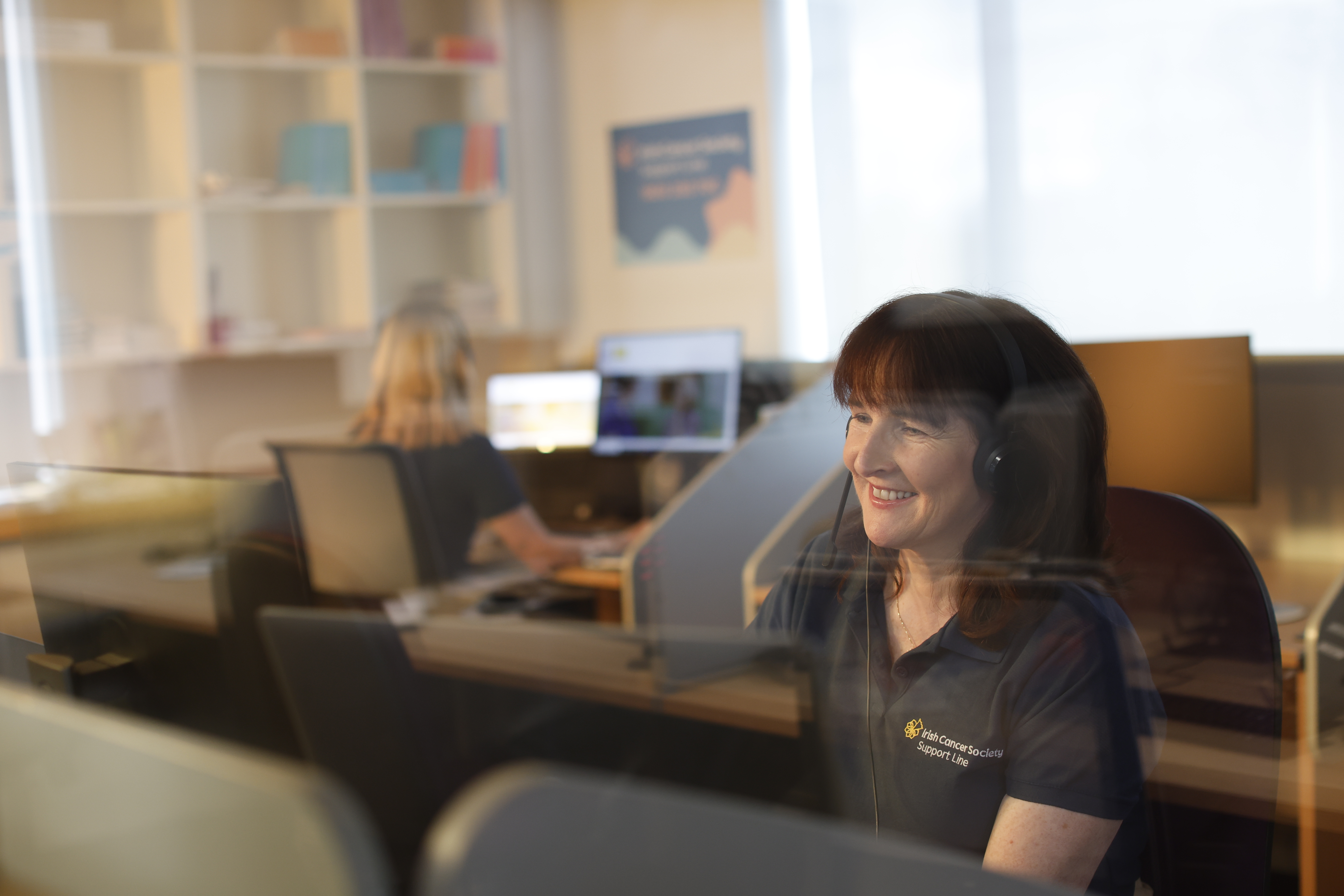
Our Cancer Nurses offer confidential advice, support and information for anyone affected by cancer. Call or email supportline@irishcancer.ie. Video calls available. Mon-Fri: 9am-5pm

Our Daffodil Centres
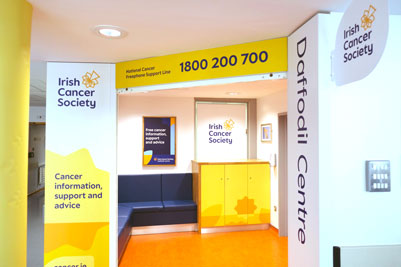
Our Daffodil Centres in 13 hospitals nationwide are staffed by Cancer Nurses and trained volunteers who provide face-to-face advice, support and information for anyone affected by cancer.
*The Irish Cancer Society uses the most up-to-date cancer statistics from the National Cancer Registry Ireland, available on www.ncri.ie